2026 Top Ecommerce Packaging Trends You Need to Know?
As the ecommerce landscape continues to evolve, packaging plays a crucial role in customer satisfaction and brand perception. According to Mark Roberts, an expert in ecommerce packaging and CEO of PackSmart Solutions, "Great packaging can enhance the overall shopping experience and create lasting impressions." This insight highlights the importance of innovative packaging strategies in today’s competitive market.
In 2026, several notable trends are shaping the future of ecommerce packaging. Sustainability is at the forefront. Brands are increasingly adopting eco-friendly materials to appeal to environmentally conscious consumers. Personalized packaging options are also gaining traction, allowing businesses to create unique unboxing experiences. These shifts emphasize the need for companies to stay informed about evolving consumer expectations.
The packaging industry must also grapple with challenges. Balancing cost-effectiveness with high-quality materials can be difficult. Additionally, the pressure to meet sustainability goals may require significant changes in supply chains. Reflecting on these dynamics is essential for brands aiming to thrive in the ecommerce packaging space. By understanding these trends and challenges, companies can strategically position themselves for continued success.

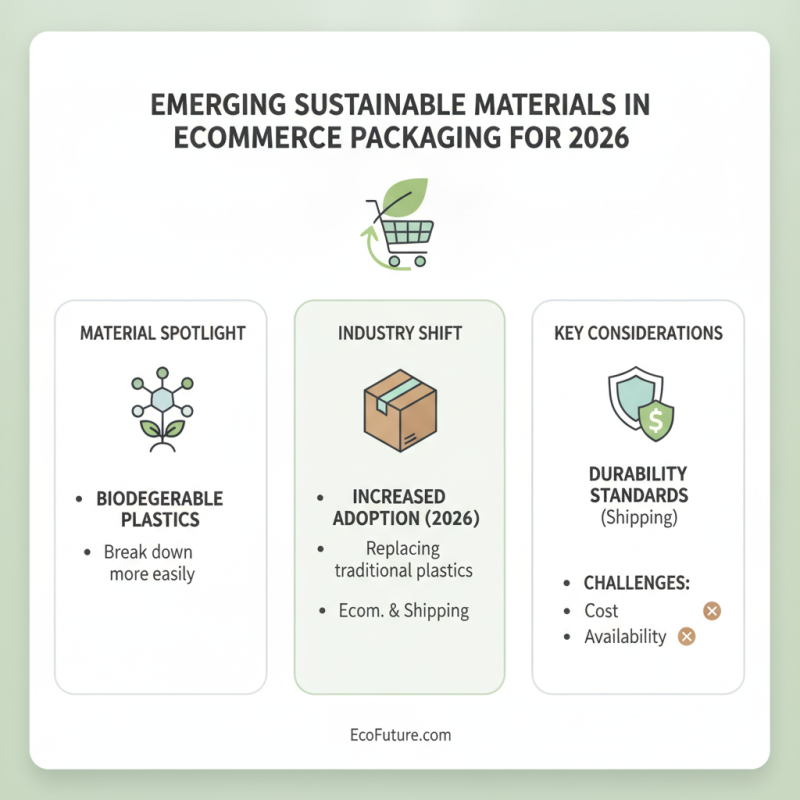
Emerging Sustainable Materials in Ecommerce Packaging for 2026
Sustainable materials are reshaping the ecommerce packaging landscape. In 2026, expect to see an increase in the use of biodegradable plastics. These materials break down more easily than traditional plastics. Companies will need to ensure that these materials meet the durability standards required during shipping. There are still challenges regarding their cost and availability.
Another exciting trend is the rise of mushroom-based packaging. This innovative material comes from agricultural waste. It is fully compostable and provides effective protection for products. However, brands must consider scalability in production to make it a viable option. Additionally, transparency about sourcing and production processes is crucial for consumer trust.
Recycled cardboard continues to dominate ecommerce packaging. The need for strong, recyclable materials remains high. Yet, the quality of recycled paper products can vary. Brands need to commit to reliable sources. Balancing sustainability and performance will be key as businesses strive to reduce their environmental footprint.
Innovative Design Trends for Enhanced Unboxing Experiences
The unboxing experience has become a focal point for ecommerce brands aiming to engage customers. Innovative design trends play a vital role in enhancing this experience. According to a recent study, 50% of consumers say they are likely to share their unboxing experiences on social media. Brands must harness this trend to build community and increase visibility.
Creative packaging materials and sustainable options are gaining traction. For instance, using biodegradable materials not only reduces environmental impact, but also resonates with eco-conscious shoppers. A report indicates that 72% of consumers are more likely to purchase from brands that prioritize sustainability. Unique designs, such as custom inserts and eye-catching colors, can elevate the perception of the brand, making the unboxing experience memorable.
However, it's crucial to strike a balance. While aesthetic appeal is important, over-engineered packaging can lead to waste. Some brands face challenges in effectively communicating their sustainability efforts through packaging. It's a reminder that thoughtful innovation is key. Brands should not only focus on flashy designs but also consider functionality and environmental impact.
Personalization Techniques in Ecommerce Packaging for Customer Engagement
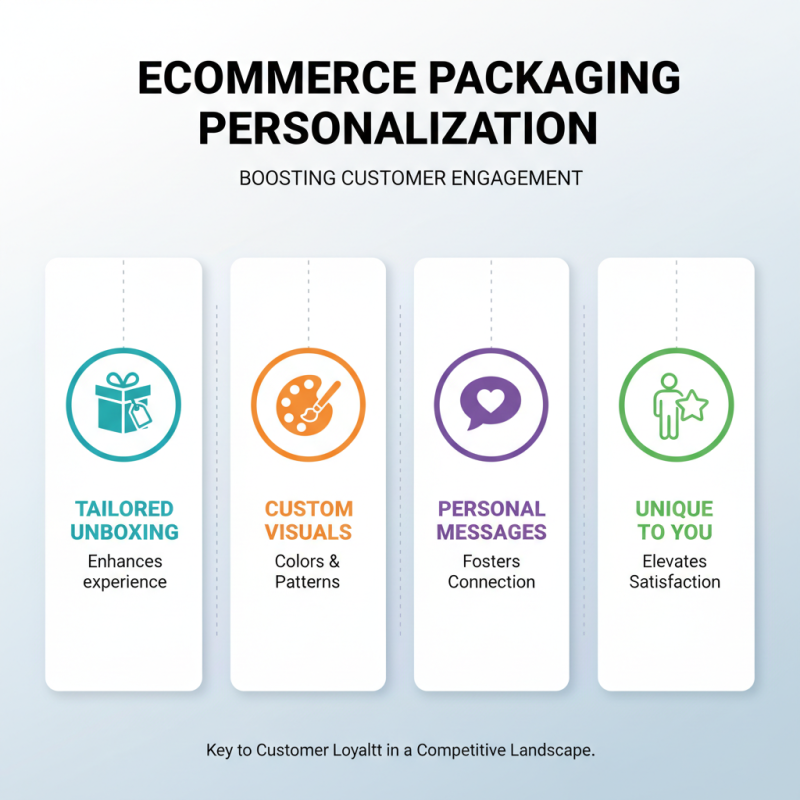
In today's competitive eCommerce landscape, personalization in packaging plays a crucial role. Tailoring packaging to customer preferences enhances the unboxing experience. Simple touches like custom colors, patterns, or messages can foster a sense of connection. Brands recognize that when consumers receive a package that feels uniquely theirs, it elevates satisfaction.
Moreover, utilizing data analytics can refine personalization techniques. By analyzing past purchases and customer feedback, businesses can create targeted packaging designs. This strategy not only boosts customer engagement but also encourages repeat purchases. Yet, it can be challenging to balance personalization with sustainability. Consumers appreciate eco-friendly options alongside personalized touches. Striking this balance is essential, but it's not always easy.
There’s also the risk of over-personalization. A misguided attempt may come off as intrusive rather than thoughtful. Striking the right tone is key. Businesses need to tread carefully to ensure they enhance the experience without crossing boundaries. Understanding customer perceptions is vital for effective personalization in eCommerce packaging.
Technology Integration: Smart Packaging Solutions for the Future
In today's rapidly evolving ecommerce landscape, smart packaging solutions are becoming essential. These technologies integrate advanced features to enhance customer experience and streamline operations. According to a report by Smithers Pira, the global smart packaging market is projected to reach $41.7 billion by 2028. This growth demonstrates the increasing importance of innovative packaging methods.
Smart packaging can communicate valuable information to consumers. Technologies such as QR codes, NFC (Near Field Communication), and sensors allow brands to engage customers in new ways. For example, a study from MarketsandMarkets noted that about 70% of consumers prefer products with interactive packaging. However, there are challenges. Many companies struggle with implementation costs and complexities. Finding the right technology balance is crucial.
Sustainability is another critical aspect of smart packaging trends. Brands are looking for materials that are both functional and eco-friendly. The Ellen MacArthur Foundation reports that 72% of consumers want to purchase from environmentally responsible companies. Yet, despite this demand, many businesses find it hard to transition to sustainable options. As the market matures, brands must adapt and innovate continuously to meet consumer expectations.
2026 Top Ecommerce Packaging Trends You Need to Know
This chart illustrates the anticipated growth of various smart packaging technologies in ecommerce by 2026. The data reflects the increasing integration of technology in packaging solutions such as QR codes, biodegradable materials, and smart sensors.
Regulatory Changes and Their Impact on Ecommerce Packaging Practices
Regulatory changes are reshaping ecommerce packaging practices significantly. Recent reports indicate that 70% of consumers prioritize sustainable packaging due to environmental concerns. In response, governments worldwide are introducing stricter regulations on materials used in packaging. These regulations can impact supply chains and packaging design considerably.
Ecommerce businesses must adapt to these changes. For instance, the European Union's Single-Use Plastics Directive aims to reduce plastic waste by restricting certain materials. Companies relying on traditional plastics face potential fines or delays. This underscores the importance of understanding the legal landscape associated with packaging.
**Tip:** Stay informed about upcoming regulations in your region. Implementing a proactive approach can minimize disruptions. Another strategy is to explore eco-friendly alternatives, like biodegradable materials, which align well with consumer preferences.
Craft packaging that not only meets legal requirements but also resonates with consumer values. While it may involve initial costs, the long-term benefits can outweigh these expenses. Engaging in sustainable practices can enhance brand loyalty and consumer trust.
2026 Top Ecommerce Packaging Trends You Need to Know
| Trend |
Description |
Impact |
Regulatory Changes |
| Sustainable Packaging |
Use of biodegradable and recyclable materials. |
Reduces environmental impact and appeals to eco-conscious consumers. |
Stricter regulations on plastic use and waste management. |
| Smart Packaging |
Integration of technology for tracking and user interaction. |
Enhances customer experience and product traceability. |
Emerging regulations on data privacy and consumer rights. |
| Minimalist Design |
Focus on simple, functional designs to reduce waste. |
Cost-effective and environmentally friendly. |
Increased emphasis on waste reduction standards. |
| Personalized Packaging |
Customized packaging to reflect individual consumer preferences. |
Increases customer satisfaction and brand loyalty. |
Regulatory focus on consumer protection and rights. |
| Subscription Packaging |
Adaptive designs for subscription-based services. |
Enhanced product retention and streamlined delivery. |
Evolving laws on delivery and subscription services. |