Top Benefits of Shelf Ready Packaging for Retail Success
Shelf ready packaging (SRP) is revolutionizing retail efficiency and consumer engagement. According to a report from the Packaging Institute, 65% of consumers are more likely to purchase products that are easy to find and access. This trend emphasizes the need for effective SRP in today's competitive market. Industry expert John Anderson notes, “Brands that invest in shelf ready packaging can see a remarkable increase in shelf space utilization.”
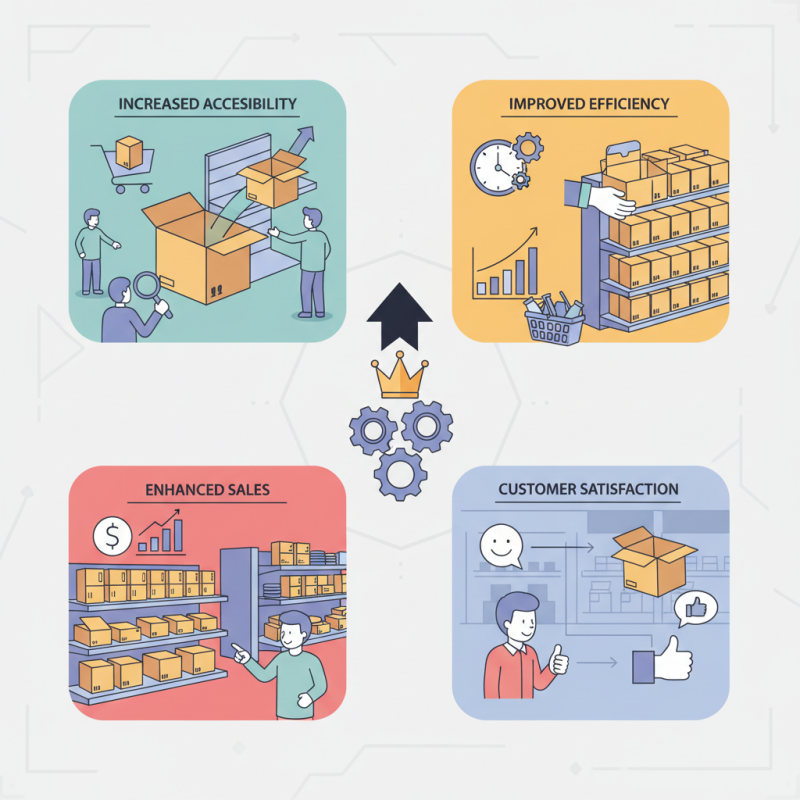
Retailers benefit greatly from SRP. It reduces restocking time and improves in-store organization. These efficiencies lead to higher sales and enhance customer satisfaction. However, not all brands fully leverage these advantages. Some companies struggle with implementation, leading to missed opportunities. The Packaging Association states that brands using SRP can increase sales by up to 30%. Yet, many retailers still lack optimized designs.
Investing in shelf ready packaging is not just about aesthetics. It's about creating a seamless shopping experience. Poor design can frustrate consumers, impacting their decision-making. Retailers must critically evaluate their SRP strategies to ensure they meet evolving consumer demands. Effective SRP blends functionality with visual appeal, leading to lasting retail success.
Understanding Shelf Ready Packaging: Definition and Purpose
Shelf Ready Packaging (SRP) is more than just a container. It serves a critical role in retail. SRP is designed for efficiency. It allows easy display on shelves. This design reduces the time staff spends on stocking. Retailers appreciate that benefit immensely.
Understanding SRP means recognizing its dual purpose. It not only showcases products but also enhances customer experience. Well-designed packaging attracts attention. It invites shoppers to explore products further. However, not all packages achieve this goal. Some designs can be confusing or cluttered. This can deter potential customers. Retailers need to reflect on these aspects.
Effective SRP should strike a balance. It must be functional but visually appealing. When brands focus only on looks, they may overlook practicality. This oversight can lead to wasted resources or lost sales. Retailers need to continually assess what works. Testing designs in real-time can provide valuable insights. It’s an ongoing learning process, essential for retail success.
Top Benefits of Shelf Ready Packaging for Retail Success
Key Features of Effective Shelf Ready Packaging
Shelf ready packaging (SRP) has become a key factor in retail success. Effective SRP not only enhances product visibility but also improves inventory management. Research from the Association for Packaging and Processing Technologies shows that products with optimized shelf ready packaging can see a 30% increase in sales. This is largely due to the eye-catching design and ease of access for both retailers and consumers.
One of the essential features of effective SRP is its structural integrity. Packaging must withstand the demands of transportation while remaining visually appealing. Additionally, clear communication on the packaging helps shoppers quickly understand product benefits. A survey by Packaging Strategies reported that 70% of consumers make their purchasing decision based on shelf presentation. This emphasizes the importance of design that stands out and is easy to grasp.
Retailers often face challenges such as space constraints and stocking inefficiencies. SRP allows for better use of shelf space while minimizing labor costs during restocking. However, the challenge remains in balancing aesthetics with functionality. In a highly competitive market, ensuring that the packaging is not only beautiful but also resource-efficient is crucial.
Impact of Shelf Ready Packaging on Retail Operations
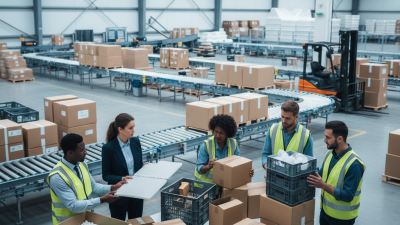
Shelf Ready Packaging (SRP) has transformed retail operations significantly. According to a 2022 industry report, approximately 70% of retailers experienced an increase in sales after implementing SRP. This packaging type enables quicker shelf restocking. As a result, retailers spend less time managing inventory and more time engaging customers.
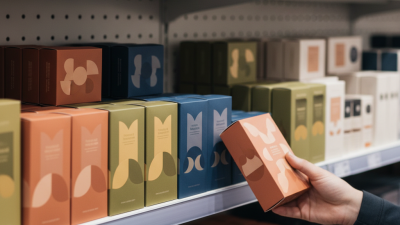
Retailers also note improved product visibility. Products packaged in SRP often stand out on shelves. A study from the National Retail Federation found that 60% of consumers appreciate well-presented products. However, not all SRP designs lead to positive outcomes. Ineffective designs can result in wasted materials and increased costs.
Efficiency is another key benefit. SRP allows for better space optimization. With standardized sizes, retailers can maximize shelf space. According to McKinsey & Company, better shelf organization can lead to a 15% sales increase. Nevertheless, the challenge lies in finding the right balance between aesthetics and functionality. Retailers must continually assess and adapt their SRP strategies.
Enhancing Customer Experience through Shelf Ready Packaging
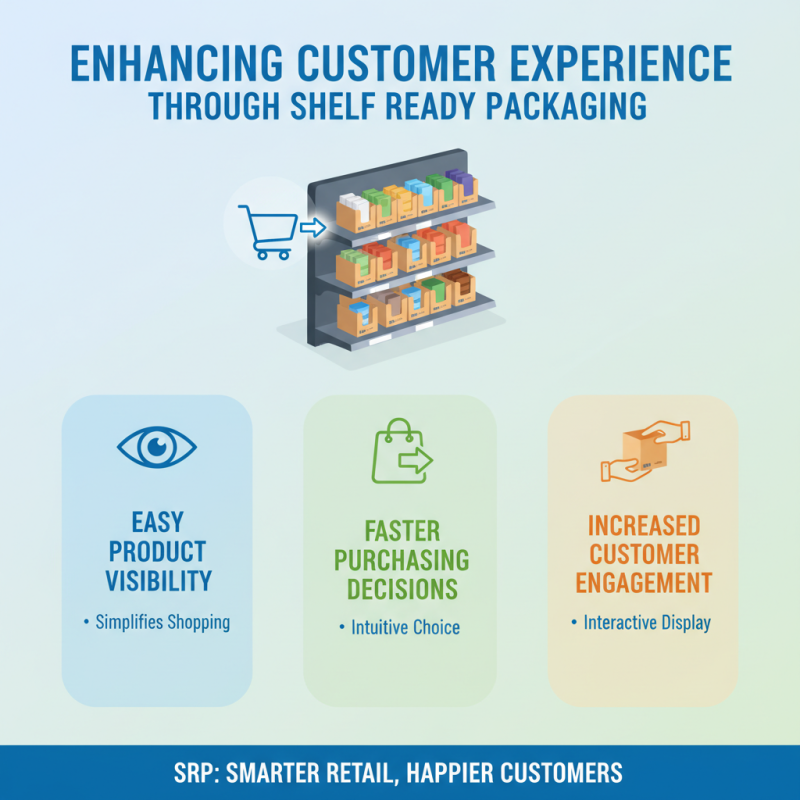
Shelf ready packaging (SRP) significantly enhances the customer experience in retail environments. It simplifies product visibility and presentation, making shopping more intuitive. When consumers can easily identify products on shelves, their purchasing decisions become simpler and quicker. This design not only showcases items effectively but also invites customers to engage with them.
However, implementing SRP is not without its challenges. Some retailers may struggle with space constraints or require additional training for staff. Packaging must be durable to withstand handling but also visually appealing. The balance between functionality and aesthetics is delicate. If a product’s packaging is overlooked or poorly designed, it could lead to dissatisfaction. Retailers must invest in understanding their customer preferences deeply.
Furthermore, effective SRP can foster brand loyalty through consistent, reliable presentation. Shoppers appreciate when products are easy to find and access. Yet, the reality is that constant innovation is required to stay ahead of consumer trends. Retailers should regularly assess the effectiveness of their SRP strategies. This reflection ensures that they meet evolving customer expectations and maintain a competitive edge.
Cost-Effectiveness and Sustainability of Shelf Ready Packaging
Shelf Ready Packaging (SRP) is increasingly recognized for its cost-effectiveness and sustainability in retail. According to a report by Nielsen, 67% of consumers are more likely to buy products if they are presented in appealing packaging. SRP not only enhances shelf visibility but also reduces labor costs. Retailers can save around 20% in labor expenses because SRP is designed to be easy to stack and display.
Sustainability is another significant advantage of SRP. Research from the Environmental Protection Agency indicates that packaging waste accounts for nearly 30% of the landfill waste in the U.S. By utilizing SRP, brands can reduce material usage and embrace recyclable options. Such strategies are crucial as 63% of consumers prefer brands that prioritize sustainable practices.
However, the adoption of SRP isn't without challenges. Brands may encounter design limitations or additional costs in the initial stages. Not all materials may be readily available, which can delay implementation. There's a continuous need for brands to balance aesthetics, cost, and sustainability. In the competitive retail landscape, this balance can make or break a product's success.
Top Benefits of Shelf Ready Packaging for Retail Success - Cost-Effectiveness and Sustainability of Shelf Ready Packaging
| Benefit |
Description |
Cost-Effectiveness |
Sustainability |
| Increased Shelf Visibility |
Shelf ready packaging enhances product visibility and attracts consumers’ attention. |
Reduces need for additional displays, saving promotional costs. |
Utilizes eco-friendly materials to reduce environmental impact. |
| Faster Restocking |
Easy-to-use designs allow faster stock replenishment in stores. |
Minimizes labor costs by shortening restocking time. |
Reduces waste due to better stock management. |
| Improved Sales |
Effective presentation can increase impulse purchases. |
Increases revenue through enhanced consumer engagement. |
Promotes products with minimal packaging waste. |
| Brand Recognition |
Consistent branding on shelf ready packaging aids recognition. |
Enhances the perceived value of the product. |
Encourages the use of recyclable materials for packaging. |