7 Best Fast Packaging Solutions for Global Buyers

Global buyers need packaging that moves quickly without sacrificing product protection, clear labeling, or dependable delivery. Fast packaging can mean automated filling, ready-to-use cartons, flexible materials, or coordinated fulfillment. The right choice depends on product size, order volume, destination, and how often designs change.

William McDonough, an influential circular-design advocate whose work includes packaging, offers a useful reminder: “Being less bad is not being good.” It is not a fast-packaging slogan, but it challenges buyers to look beyond speed. A line that seals cartons rapidly may still create excess material, awkward handling, or costly damage. Those details matter.

Small details matter.

This guide compares seven fast packaging solutions for global buyers, from automated case packing to flexible pouches and modular systems. Each option brings trade-offs. A high-speed machine may suit steady, large orders, yet prove impractical when products vary by season. Pre-made cartons can shorten setup time, but storage space becomes part of the calculation. Buyers should check throughput under real operating conditions, confirm compatible materials, and request samples before committing. A sample run cannot predict every disruption. Still, it can reveal weak seals, scuffed labels, or cartons that buckle during stacking. Use these options as a starting point, then test them against your actual products, workforce, and shipping routes.
7 Best Fast Packaging Solutions for Global Buyers

What Defines a Fast Packaging Solution for Global Buyers?

For global buyers, a fast packaging solution means predictable readiness, not just rapid printing. It combines stocked materials, approved dielines, clear specifications, and production slots that can scale. Speed is readiness. The World Bank’s 2023 Logistics Performance Index covers 139 economies and measures customs, infrastructure, tracking, and timeliness. Its analysis puts the average container journey from an exporter’s warehouse to an importer’s at about 44 days. Packaging cannot remove that transit time, but late artwork, unsuitable cartons, or missed dispatch windows can add avoidable delays.

Route uncertainty makes flexibility important. UNCTAD reported that Suez Canal transits fell 42% over roughly two months in early 2024, disrupting shipping schedules. A practical solution therefore includes export-ready documents, robust cartons, pallet dimensions matched to freight plans, and quality checks before dispatch. Buyers should ask for a sample, confirmed production lead time, and a clear plan for peak periods. Fast does not mean skipping checks. A rushed approval can create rework, and I have seen that cost more time than a careful proof. Some details still vary by destination, so confirm local packaging and labeling requirements before production.


Which Seven Packaging Solutions Speed Up Order Fulfillment?

Fast fulfillment often starts before an order arrives. Standard carton sizes reduce measuring and box selection at the packing bench. Right-sized packaging also limits excess fill, though unusual products may still need custom protection. Pre-assembled mailers or cartons save setup time during busy shifts. Small gains add up.

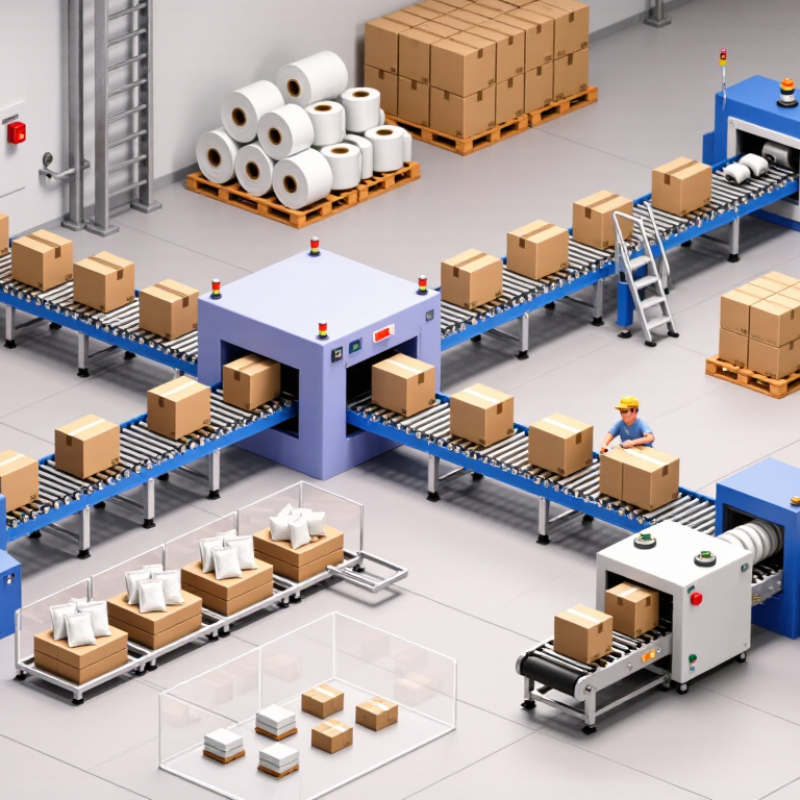
A fourth solution is kitting: pack commonly ordered items together in advance, then verify each kit before storage. This works best when orders repeat; changing product bundles can leave unused kits behind. Fifth, simple packing automation, such as a carton sealer or tape dispenser, can reduce repetitive handwork. Match equipment to actual order volume, not a hopeful forecast. Fit matters.

Sixth, clear barcode labels help workers confirm the item and destination before sealing a parcel. Keep labels visible and test scans on real packing lines. Seventh, maintain a small, measured reserve of frequently used packaging near the work area. Track usage and reorder points so supplies do not run out mid-shift. This takes discipline, and excess stock occupies space. Review packing times, damage reports, and material use regularly; faster dispatch is not useful if parcels arrive poorly protected.

7 Best Fast Packaging Solutions for Global Buyers — Which Seven Packaging Solutions Speed Up Order Fulfillment?
Packaging Solution Packaging Stage Typical Operating Rate How It Speeds Up Fulfillment Best-Fit Orders Global Buyer Considerations
Automatic Case Erector Forms shipping cartons from flat blanks About 8–30 cases per minute Reduces manual carton setup and keeps a steady supply of open cases at packing stations. Repetitive orders with consistent carton sizes and moderate-to-high daily volumes. Confirm carton dimensions, board grade, electrical supply, guarding, and access to spare parts before installation.
Automatic Case Sealer Closes and seals filled cartons About 10–40 cases per minute Automates top and bottom sealing, helping reduce a common packing-line bottleneck. Regular shipments using a limited range of carton sizes. Check carton-size adjustment range, tape availability, sealing requirements, and compatibility with upstream equipment.
Vertical Form-Fill-Seal Machine Forms flexible pouches, fills them, and seals them About 30–120 bags per minute Combines bag making, product filling, and sealing in one continuous process. High-volume, repeat orders for suitable free-flowing or measured products. Verify film structure and width, product characteristics, local power supply, and the required weighing or dosing system.
Horizontal Flow Wrapper Wraps individual products in flexible film About 40–200 packs per minute Packages products continuously and can reduce manual handling between production and finished-pack stages. Consistent individual items such as bars, bakery products, and selected non-food goods. Product size, shape, film type, sealing conditions, and local food-contact rules can affect the achievable rate.
Automatic Cartoner Loads products into folding cartons About 30–150 cartons per minute Automates carton opening, product loading, and carton closing for suitable products. Standardized retail packs with predictable product presentation and carton formats. Confirm carton style, product-loading method, language and label needs, and access to format parts for future changes.
Automatic Stretch-Wrapping Machine Secures palletized loads for dispatch About 20–60 pallet loads per hour Wraps completed pallets consistently, reducing manual wrapping time before staging and shipment. Warehouses and distribution centers shipping regular pallet volumes. Match the machine to pallet dimensions, load stability, film specifications, warehouse space, and local safety requirements.
Print-and-Apply Labeling System Prints and applies labels to cases or products About 10–40 cases per minute Applies shipment, identification, or traceability labels as items move through the line, reducing separate labeling steps. Orders requiring consistent case identification, routing labels, or variable shipment data. Check label size, barcode standards, printer-language compatibility, data-system integration, and destination-market requirements.

Rates are indicative operating ranges, not guaranteed output. Actual throughput depends on product characteristics, package dimensions, materials, operator skill, line layout, and changeover requirements. Confirm performance with a production trial using the intended products and packaging materials.

How Do Materials and Automation Affect Packaging Speed?

Packaging speed begins with the material touching the machine. A stiff carton feeds predictably, while a thin, slippery film may drift or wrinkle. Seal temperature, friction, and material thickness can all change the machine’s reliable operating speed. Recycled content can also vary between batches, so test the actual roll or carton before setting a production target. Small details matter. Faster equipment cannot fix poor material consistency.

Automation helps when it removes repeated pauses. Servo-driven feeders, automatic case erectors, and in-line inspection can keep products moving and catch misfeeds early. PMMI’s 2023 State of the Industry report valued U.S. packaging machinery shipments at $10.9 billion in 2022, an 8.1% increase year over year. That figure shows substantial equipment investment, but it does not measure line speed. Buyers should compare sustained output, changeover time, and stoppages under real operating conditions. A line may look fast during a demonstration, then lose time when operators switch sizes or clear jams. And sometimes, simpler is faster. Automation needs trained operators and dependable maintenance; otherwise, a sensor fault can stop an entire line.

What Global Shipping and Compliance Factors Should Buyers Consider?

Global shipping puts packaging under repeated stress: conveyor impacts, stacked pallets, humidity, and long periods in transit. Buyers should test cartons with realistic weights and stacking conditions, not just inspect an empty sample. A snug fit, corner protection, and moisture-resistant inner packaging can reduce damage without adding unnecessary bulk. Check packed dimensions and gross weight against carrier limits; a small size change can affect freight costs. Even a carefully tested package can fail when handling conditions differ. That risk deserves honest planning.

Compliance varies by destination and product type. Confirm packaging, labeling, and documentation requirements with official customs guidance or a qualified freight professional before production. Some destinations restrict particular wood packaging materials or require specific treatment and marks. Labels should remain readable after handling and show accurate product details, origin information, and handling symbols where required. Avoid assuming one label works everywhere. Translation and local interpretation can be easy to overlook, and requirements may change.

Tips: Request a pre-shipment sample. Photograph the packed item, measure each carton, and keep test records. Ask suppliers to confirm material specifications in writing. Leave time for destination-specific checks; rushing this step can create delays that better packaging alone cannot fix.

How Can Buyers Choose the Right Solution for Their Products?

Choosing a fast packaging solution starts with the product, not the machine. Measure its length, width, weight, and most fragile points. A glass container needs cushioning; a flat textile may need a compact mailer instead. Fit matters most. Oversized packs can increase shipping costs and let products shift during transit. Buyers should also check whether the packaging works with existing filling and sealing equipment.

Next, compare speed with protection and packing consistency. Ask suppliers for production rates under realistic conditions, including changeover time between product sizes. Request samples and test them with the actual product. Drop tests, vibration checks, and a short trial on the packing line can reveal weak seals or awkward loading. Test before scaling. A clean sample is not proof that every unit will perform equally well.

For international shipments, consider package weight, stackability, and resistance to humidity or temperature changes. Confirm that materials and labeling can be handled in the destination markets, and verify requirements with qualified local sources. Fast packing may reduce labor, but a complex setup can erase those gains. There is no perfect option for every product; buyers may need to accept a slower line for better protection, or revise the pack after early shipments reveal problems.

7 Best Fast Packaging Solutions for Global Buyers

How can buyers choose the right solution for their products? Compare indicative equipment throughput ranges, measured in packages per minute.

Rates are indicative ranges commonly specified for packaging equipment; actual output depends on product size, pack format, operator skill, and line configuration. Match the solution to your product and required production volume.