10 Best Retail Ready Packaging Solutions You Should Know?
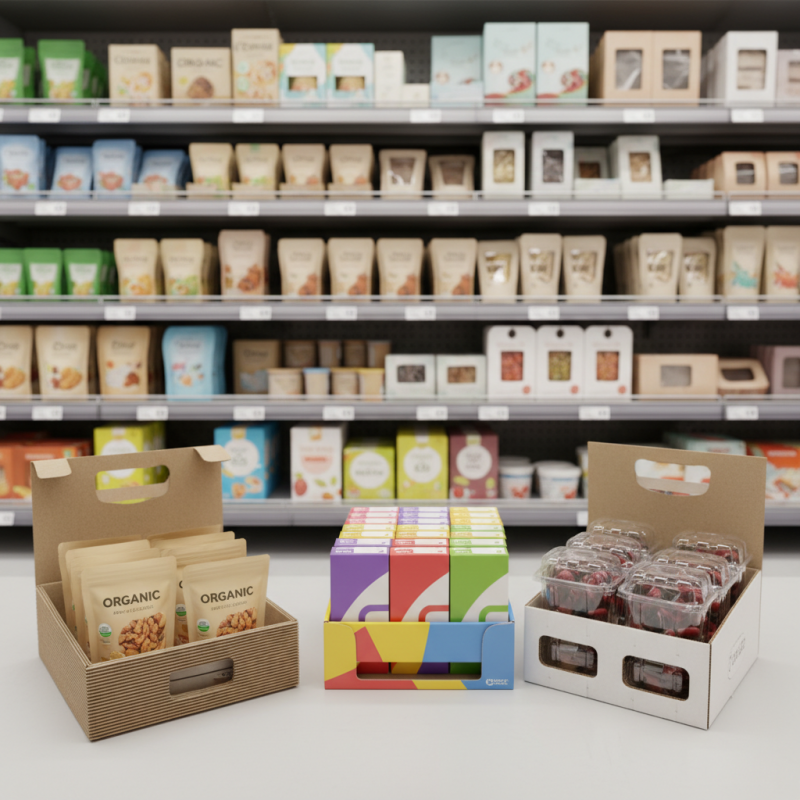
In today's competitive market, retail ready packaging plays a crucial role in product visibility and accessibility. Brands need to captivate consumers quickly. Effective packaging entices customers and communicates product value.
Selecting the right retail ready packaging solution can be challenging. Not every option fits every product. Some designs might enhance aesthetics but hinder functionality. Brands must strive to balance style and practicality.
Innovative packaging can revolutionize a brand's presence on the shelf. It's not just about looks; it's about ease of use and sustainability too. Assessing the impact of packaging choices is essential. Understanding failures can lead to better solutions in the future. Retail ready packaging is, without doubt, a key player in the retail landscape.
Understanding Retail Ready Packaging: Key Characteristics
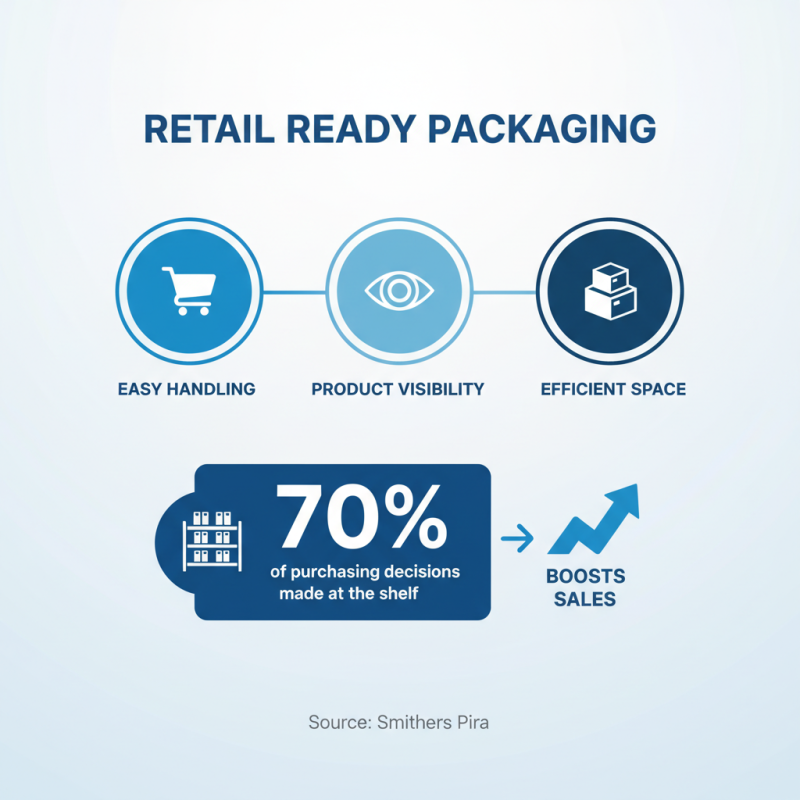
Retail Ready Packaging (RRP) integrates functionality and visibility. Its designs enhance the shopping experience. Key characteristics of RRP include easy handling, product visibility, and efficient use of space. A study by Smithers Pira indicates that 70% of purchasing decisions occur at the shelf. This shows why effective RRP is crucial.
RRP must be visually appealing. Bold colors and clear labeling attract consumer attention. Transparency is another essential element. Customers often prefer seeing the product before purchase. According to a recent survey, 65% of shoppers feel more confident buying visible products. Easy open and disposal features are also vital.
Here are some tips for creating effective RRP. Focus on durability. Materials should withstand the rigors of transportation and shelf life. Also, think about sustainability. Eco-friendly packaging options are increasingly favored by consumers. A growing 55% of shoppers prefer brands with sustainable practices.
In designing RRP, consider the environmental impacts. Explore materials that reduce waste. Reflect on how packaging impacts recycling processes. This attention to detail may enhance brand loyalty over time.
Top 10 Retail Ready Packaging Solutions in the Market
Retail ready packaging (RRP) is increasingly crucial in modern retail. This is evident as 43% of consumers favor products with visually appealing packaging. Innovative designs can attract more buyers. In an age where first impressions matter, RRP is your frontline marketing tool.
Effective RRP solutions optimize shelf space. Studies show that 67% of purchasing decisions are made in-store. A well-designed package can increase brand visibility dramatically. However, achieving the perfect design isn't easy. Many solutions underestimate the importance of durability. Flimsy packaging often leads to product damages and returns.
Moreover, sustainability is a growing concern. Reports indicate that 75% of consumers prefer eco-friendly packaging. Brands struggle to balance aesthetics with environmental responsibilities. This challenge often leaves them reflecting on their packaging choices. Striking the right balance can be complex yet essential to brand perception.
Benefits of Using Retail Ready Packaging for Businesses
Retail Ready Packaging (RRP) is becoming crucial for businesses aiming to optimize shelf presence and sales. Reports indicate that products in RRP can increase sales by 30% compared to conventional packaging. This boost is primarily due to easier accessibility and enhanced visual appeal. Retail Ready Packaging allows for quick replenishment on shelves, which is essential for maintaining inventory levels. In a fast-paced market, this efficiency can lead to significant profitability.
Moreover, RRP offers environmental benefits. According to a recent study, 72% of consumers consider eco-friendly packaging important. Retail Ready Packaging often uses recyclable materials, appealing to environmentally conscious buyers. However, the challenge lies in striking a balance between sustainability and cost. While the initial investment might be higher, the long-term gains often overshadow these costs.
Additionally, RRP can improve brand recognition but may also pose a risk of homogenization. When products look similar, distinguishing between them becomes difficult. Businesses must innovate and customize their designs while keeping costs in check. This balancing act is vital for standing out in competitive markets. Ultimately, the right Retail Ready Packaging solution can enhance consumer experience and improve sales significantly.
Top Benefits of Retail Ready Packaging
Comparative Analysis of Packaging Materials for Retail Ready Solutions
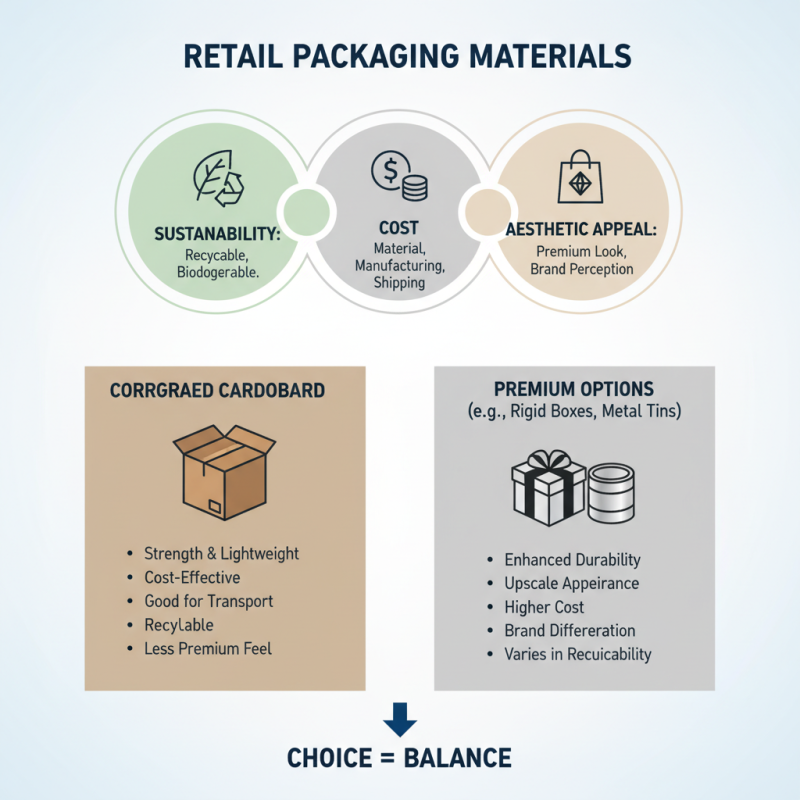
When evaluating packaging materials for retail-ready solutions, several factors come into play. The choice of material significantly impacts cost, sustainability, and aesthetic appeal. For example, corrugated cardboard is a popular option. It balances strength and lightweight properties, making it ideal for transport. However, it may lack the premium look that some retailers desire.
Consider using biodegradable materials. They are becoming increasingly popular due to environmental concerns. Yet, while they are eco-friendly, some still struggle with durability. This presents a challenge for certain types of products. It's essential to weigh these trade-offs carefully. Not every retailer might have the same expectations.
Tips: Always assess your target market when selecting packaging. Understand their preferences and values. Test your chosen material to ensure it meets both functional and consumer expectations. Remember, it's not just about looks. Practicality plays a crucial role too. Retail ready packaging must protect products effectively.
Trends and Innovations in Retail Ready Packaging You Should Watch
In a rapidly evolving retail landscape, packaging plays a vital role. Retail Ready Packaging (RRP) is transforming how products are displayed and sold. A recent report indicated that the global RRP market is expected to reach $200 billion by 2026. This growth highlights the demand for innovative and functional designs that aid in brand visibility and shelf performance.
Sustainability is a significant trend. Many retailers are prioritizing eco-friendly materials to reduce waste. For instance, over 75% of consumers prefer brands that are environmentally conscious. Smart packaging solutions are also gaining traction. Technologies such as QR codes and NFC tags enhance consumer engagement. They provide valuable information and promote interactivity. Shoppers appreciate transparency in product sourcing. This trend allows for a deeper connection between the consumer and the product.
Despite these advancements, not all packaging solutions are flawless. Many RRP designs still struggle with adequate structural integrity. This can lead to damages during transportation. Retailers must evaluate the balance between aesthetics and functionality. Ongoing improvements are necessary. As brands embrace innovation, they must also reflect on packaging's overall impact, both environmentally and economically.