What is the Best Way to Create Packaging for Global Buyers?
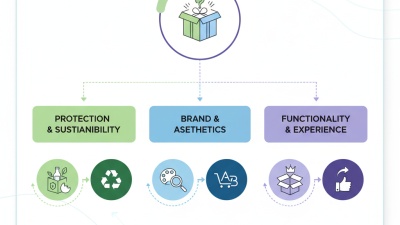
Creating effective packaging is crucial for businesses targeting global buyers. The right packaging not only protects products but also communicates brand values and appeals to diverse markets. In an era where first impressions matter, how to create packaging that stands out is essential.
A thoughtful approach involves understanding cultural preferences and consumer behaviors. Packaging that resonates varies by country and region. For instance, colors and designs deemed appealing in one market might not work in another. Therefore, companies need to invest time in research. The goal is to foster a connection with potential buyers.
Moreover, sustainability is increasingly important. Consumers prefer environmentally friendly options. However, balancing aesthetics and eco-friendliness can be challenging. Brands must reflect on their choices. The packaging journey is complex, but a focus on these elements can enhance market success.

Understanding the Needs of Global Buyers in Packaging Design
Understanding the needs of global buyers in packaging design is crucial for success. Research indicates that over 70% of consumers believe packaging influences their purchase decisions. Effective packaging must resonate across cultures. This requires an understanding of local preferences, aesthetics, and sustainability expectations.
Sustainability is increasingly important. A recent study showed that 54% of global consumers are willing to pay more for eco-friendly packaging. Designing with recyclable materials or reduced plastic can build trust and loyalty. However, navigating the balance between sustainability and cost-efficiency poses a challenge for many companies. Some may overlook the importance of local regulatory standards in their pursuit of sustainable options.
In addition, clarity and functionality in packaging must never be neglected. Simple and informative designs ensure usability. An overwhelming number of labels can confuse potential buyers. Global packaging needs to be tested for comprehension across different markets. This continuous feedback loop can identify shortcomings. It also allows for the making of necessary adjustments before broader distribution. Meeting global buyers’ needs is not just about aesthetics; it's about creating genuinely useful packaging that considers diverse consumer insights.
Key Elements of Effective Packaging for International Markets
Effective packaging for international markets requires a deep understanding of cultural nuances and buyer preferences. According to a report by Smithers Pira, 70% of consumers in emerging markets believe that packaging is crucial to their purchasing decisions. This highlights the importance of creating packaging that resonates with local customs and values. For example, colors have different meanings across cultures; while white symbolizes purity in Western countries, it can represent mourning in some Asian cultures.
When developing global packaging, consider incorporating multilingual labels. Research from Nielsen shows that 56% of global consumers are more likely to purchase a product with information in their native language. This approach not only enhances customer connection but also boosts brand credibility.
Keep sustainability in mind. The 2022 Global Consumption database reported that 78% of consumers prefer sustainable packaging. This trend forces brands to reflect on their choices. Emphasizing eco-friendly materials can attract environmentally conscious buyers. However, ensuring product safety and compliance with international regulations is equally vital. Overlooking local regulations may lead to costly consequences.
Cultural Considerations: Tailoring Packaging to Diverse Audiences
Packaging is a crucial element for global buyers. To connect with diverse audiences, cultural considerations must guide your design. Different cultures have unique aesthetics, color meanings, and symbolic representations. For instance, white can signify purity in some cultures but may represent mourning in others. Therefore, understanding these nuances is essential.
It’s not just about colors. Material choices matter too. In some regions, eco-friendly packaging is valued above all. While in others, luxury materials can signal quality. Reflect on how your packaging aligns with local values and preferences. A one-size-fits-all approach may backfire. Remember, a misstep in cultural interpretation can alienate potential buyers.
Assess your designs through the lens of various markets. Gather feedback from locals to identify blind spots. Not all ideas will resonate universally. Sometimes, simpler designs might be more effective than elaborate ones. Always be open to refining your packaging based on cultural insights.
What is the Best Way to Create Packaging for Global Buyers? - Cultural Considerations: Tailoring Packaging to Diverse Audiences
| Region |
Cultural Preferences |
Color Significance |
Materials Used |
Design Trends |
| North America |
Minimalistic, Functional Packaging |
Cool Colors (Blue, Green) |
Recyclable Materials |
Bold Typography |
| Europe |
Eco-friendly and Luxury Packaging |
Warm Colors (Red, Orange) |
Biodegradable Materials |
Artisanal Designs |
| Asia |
Vibrant and Decorative Packaging |
Gold and Red (Good Fortune) |
Traditional Materials (Silk, Paper) |
Intricate Patterns |
| Latin America |
Colorful and Festive Elements |
Bright Colors (Yellow, Blue) |
Natural Materials |
Handmade Touches |
Sustainability Practices in Global Packaging Solutions
Sustainability is at the forefront of modern packaging practices. As global awareness of environmental issues rises, companies must adapt. Packaging that minimizes waste and utilizes recyclable materials is becoming essential. Buyers appreciate brands that take environmental responsibility seriously.
Incorporating sustainable practices involves sourcing renewable materials. Biodegradable plastics and recycled cardboard are excellent options to consider. However, the challenge lies in balancing cost and functionality. Many businesses struggle to find materials that protect products without contributing to pollution. Innovations like edible packaging are intriguing but still require refinement.
Transparency is crucial for building trust. Companies should share their sustainability efforts with consumers. This openness fosters a deeper connection and loyalty. However, some brands may exaggerate their eco-friendly claims. This creates skepticism and undermines genuine efforts. Reflecting on these practices can help businesses improve and find their true sustainable path.
Regulatory Compliance: Navigating Packaging Laws Worldwide
Navigating packaging laws worldwide is crucial for businesses aiming to reach global buyers. Different countries have various regulations, making compliance a complex task. For instance, the Global Packaging Compliance Report states that over 90% of companies face challenges related to packaging regulation. Understanding these laws is essential to avoid hefty fines and ensure product safety.
Labeling plays a significant role in compliance. Regulations often dictate specific information that must be included on packaging labels. Missing a single requirement can lead to costly repercussions. Research shows that 50% of international shipping delays are due to packaging non-compliance. This highlights the need for awareness and thorough research in package design.
The sustainability trend also affects regulatory compliance. Many countries are emphasizing eco-friendly packaging materials. According to a recent sustainability report, 75% of consumers prefer brands using sustainable packaging. This trend impacts packaging choices and compliance standards. Companies struggle to balance sustainability with cost-effectiveness. Adapting to these changes requires continuous learning and flexibility in packaging strategies.