Why is Book Printing Inspection Essential for Quality Control?
In the world of publishing, quality is paramount. Book Printing Inspection plays a vital role in ensuring that every printed piece meets high standards. This process minimizes errors that can tarnish the reputation of the publisher and author alike. A single printing error can lead to disappointment among readers.
Imagine finding a page with misaligned text after eagerly awaiting a new release. Such flaws can detract from the reading experience. A thorough inspection can catch these issues before books reach the shelves. The consequences of overlooking such defects can be severe. These mistakes may result in costly reprints and loss of trust.
Book Printing Inspection is not just about finding problems; it’s about protecting the integrity of the written word. It is an essential step in the printing process. Yet, many still underestimate its importance. Without this careful eye, even the best stories can suffer from minor yet impactful flaws. Quality control is crucial. It shapes the overall perception of a book in a competitive market.
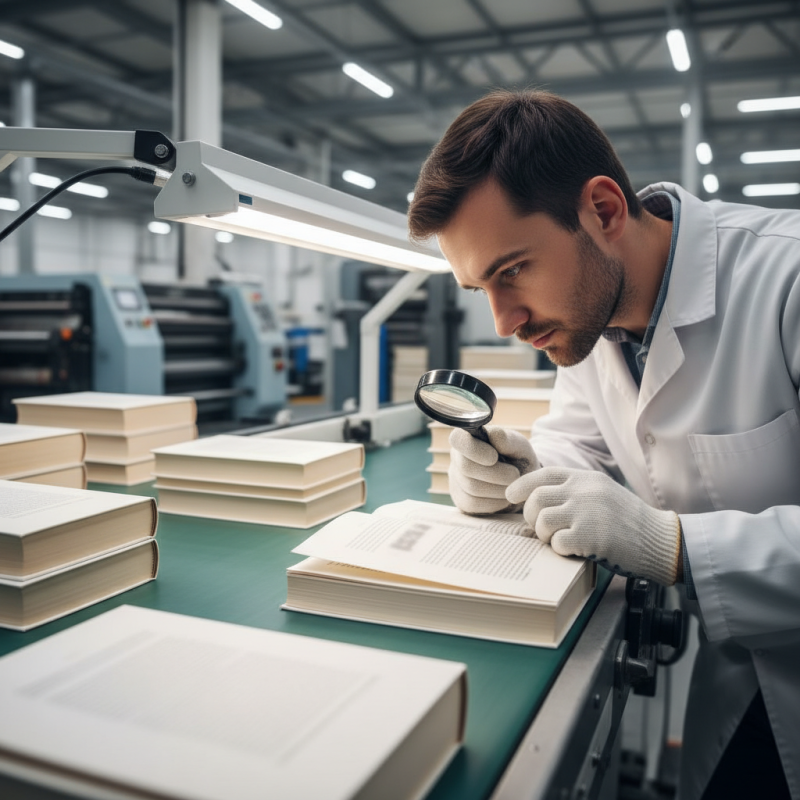
Importance of Book Printing Inspection in Quality Control
Book printing inspection is a vital step in ensuring high-quality finished products. Each book contains unique elements, from text clarity to color accuracy. Any flaws during printing can lead to dissatisfaction among readers. For publishers, maintaining a standard is crucial. It reflects their commitment to excellence.
Tips for effective inspection include using a checklist. Focus on critical areas like cover design and page alignment. Look at details like font size and print clarity. These simple steps can reveal hidden issues. Additionally, consider involving multiple pairs of eyes during inspection. Fresh perspectives can catch errors that one person may overlook. Be ready to make adjustments and learn from past mistakes.
Quality control is not just about meeting specifications; it’s about creating a pleasurable reading experience. Consistency in quality enhances the credibility of authors and publishers. Ultimately, the goal is to make every book a joy to hold and read. If a book doesn’t resonate with readers, it’s time for reflection. Understanding what went wrong is essential for future improvements.
Why is Book Printing Inspection Essential for Quality Control?
| Inspection Parameter | Description | Importance |
| Color Consistency | Ensures that color output matches the approved proofs throughout the print run. | Critical for maintaining brand identity and visual appeal. |
| Page Alignment | Checks that all pages are correctly aligned and bound. | Essential for readability and professional presentation. |
| Ink Quality | Reviews the ink quality used in printing for consistency. | Prevent issues such as smudging or fading over time. |
| Binding Strength | Evaluates the strength and durability of the binding. | Important for the longevity of the book, especially for heavy use. |
| Paper Quality | Assesses the weight, texture, and color of the paper. | Affects the overall look and feel of the book, influencing customer satisfaction. |
Key Elements of Effective Book Printing Inspection Processes
Effective book printing inspection processes are crucial for quality control. A proactive approach can catch errors before they escalate. Start by ensuring the correct specifications are followed. This reduces misprints and enhances overall quality.
An essential element is visual inspections. Review the covers, pages, and binding carefully. Look for irregularities, like misaligned graphics or color inconsistencies. Such issues may seem minor but can impact the overall appeal.
Tips: Always maintain a checklist for inspections. This ensures you don’t miss any crucial detail. It’s also helpful to involve multiple pairs of eyes in the process. Fresh perspectives can catch flaws you might overlook.
Another important component is checking the materials used. Paper types and ink quality greatly affect the final product. If the materials don’t meet standards, it will show. Inconsistent texture or fading colors can undermine even the best designs.
Tips: Keep samples of materials handy for comparison. This practice can save time and avoid costly mistakes during production. Regular training for staff involved in inspections can also enhance their ability to detect flaws.
Common Quality Issues Detected Through Book Printing Inspection
Book printing inspection plays a vital role in maintaining quality control. Various quality issues can be detected through this process. One common problem is misalignment. Pages may not line up correctly, leading to an unsightly appearance. Readers may find it distracting. This can diminish the overall reading experience.
Another issue is color inconsistency. When colors are printed inaccurately, they can vary from page to page. This inconsistency makes the book look unprofessional. Flaws like this can misrepresent the author’s vision. It’s not just about aesthetics; it impacts how the content is received.
Unexpected bleed-through is also a concern. Ink can sometimes seep through the pages, marring the printed text. This is frustrating for both readers and publishers. Minor errors in binding can lead to pages falling out prematurely. Such problems must be addressed to ensure durability. It is essential for publishers to recognize these potential pitfalls. Quality control in book printing is not just a formality; it’s an opportunity for growth and improvement.
Advantages of Implementing Book Printing Inspection Standards
Implementing book printing inspection standards is crucial for maintaining quality. These standards ensure that every printed book meets specific criteria. They cover aspects like color accuracy, alignment, and paper quality. An inspection helps catch errors early. Mistakes noticed later can lead to costly reprints.
Efficient inspection processes can reduce waste. It saves time and money in the long run. Inspectors look at each printed page. They check for smudges, misprints, or missing pages. This attention to detail is vital. Even minor flaws can diminish reader experience. A book with errors may reflect poorly on the publisher.
Quality inspections also foster trust. Readers expect a certain standard. Meeting or exceeding these expectations builds loyalty. Nevertheless, the inspection process requires resources. It can slow down production. Balancing speed with quality is an ongoing challenge. There’s always room for improvement in inspection techniques and technology.
Book Printing Inspection Quality Control Metrics
Best Practices for Conducting Book Printing Inspections
Book printing inspections are crucial for maintaining quality. The American Bookbinding Industry reports that 25% of printed books have defects. These can affect readability and shelf-life. Consistent inspections help catch errors early.
Best practices in book printing inspections include regular checks at multiple stages. Start by examining proofs for formatting issues. Ensure colors match specifications. Use tools like spectrophotometers for accurate color measurement. Inspect bindings and cuts meticulously. These actions reduce the likelihood of major quality issues.
Additionally, create a checklist for inspectors. A thorough checklist might include paper quality, ink alignment, and spine strength. Regular training for staff is essential. Effective training boosts detection skills and understanding of standards.
While the goal is perfection, understanding that mistakes happen can lead to better processes. It’s not just about finding errors but improving the overall quality of book production.