What is Case Packaging and Why is it Important for Businesses?
Case packaging is vital for businesses in today's competitive landscape. According to John Smith, a leading expert in case packaging solutions, "Effective packaging is the backbone of supply chain efficiency." This statement highlights the significant role that case packaging plays in ensuring products reach consumers safely and efficiently.
Case packaging protects products during transport and storage. It also enhances the aesthetics of goods, attracting customers. When done right, case packaging can reduce costs and increase sales. However, many businesses overlook its importance, resulting in damaged items and lost revenue.
Moreover, sustainability is becoming a key concern. Consumers prefer brands that prioritize eco-friendly packaging. This shift presents both challenges and opportunities for businesses. Companies must rethink their case packaging strategies to meet new consumer demands and regulatory pressures. Embracing innovation in case packaging is not just a trend; it's essential for long-term success.
What is Case Packaging? Definition and Key Components
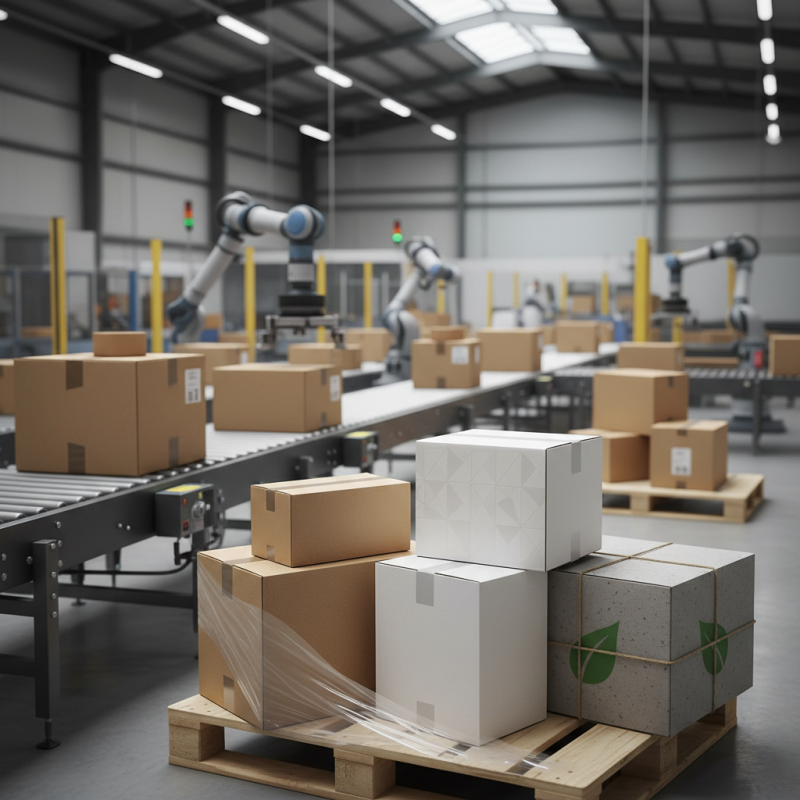
Case packaging refers to the design and production of shipping and storage containers for products. It serves as the first line of defense against damage and contamination. Proper case packaging maintains product integrity and enhances the unboxing experience for customers. Furthermore, it plays a vital role in branding and sustainability efforts.
Key components of case packaging include materials and structure. Materials should be durable yet lightweight, such as corrugated cardboard or recycled plastic. The structure must be designed for ease of stacking and transportation. Considerations for size are crucial; overly large cases waste space, while too small cases risk damage to products.
Tips: When designing packaging, test prototypes under various conditions. This helps identify weaknesses. Also, consider customer feedback for improvements. Sustainable materials not only attract eco-conscious consumers but also reduce costs in the long run. Always review your designs for efficiency and functionality, as small changes can lead to significant savings.
What is Case Packaging and Why is it Important for Businesses?
| Dimension |
Description |
Importance |
| Protection |
Ensures products are safeguarded during transit and storage. |
Reduces the risk of product damage, minimizing losses. |
| Branding |
Allows companies to showcase their brand identity and values. |
Enhances customer recognition and loyalty. |
| Sustainability |
Incorporates eco-friendly materials for environmentally conscious consumers. |
Meets consumer demand for sustainable practices. |
| Cost Efficiency |
Optimizes packaging size for shipping and storage. |
Reduces shipping costs and warehouse space usage. |
| Information |
Provides essential product details, usage instructions, and compliance information. |
Informs customers and ensures legal compliance. |
The Role of Case Packaging in Supply Chain Efficiency
Case packaging plays a critical role in ensuring supply chain efficiency. The right case design reduces product damage during transport. Studies show that 50% of packaged goods experience damage before reaching retailers. Optimally designed cases can minimize this risk, saving companies significant costs.
Efficient case packaging can enhance logistics operations significantly. According to data from the Material Handling Industry of America, up to 80% of product handling costs arise from inadequate packaging. Streamlined packaging improves storage space, allowing for more goods to be transported at once. This can lead to a 20% increase in shipping efficiency for businesses.
However, many companies still struggle with packaging choices. They often prioritize appearance over functionality. This can lead to issues such as increased waste and higher shipping costs. Rethinking packaging design based on safety and efficiency is crucial. An estimated 30% of all packaging materials used globally are disposed of without any reuse. Emphasizing sustainable and practical solutions in case packaging can be a game changer in the supply chain.
Impact of Case Packaging on Supply Chain Efficiency
Impact of Case Packaging on Product Protection and Shelf Life
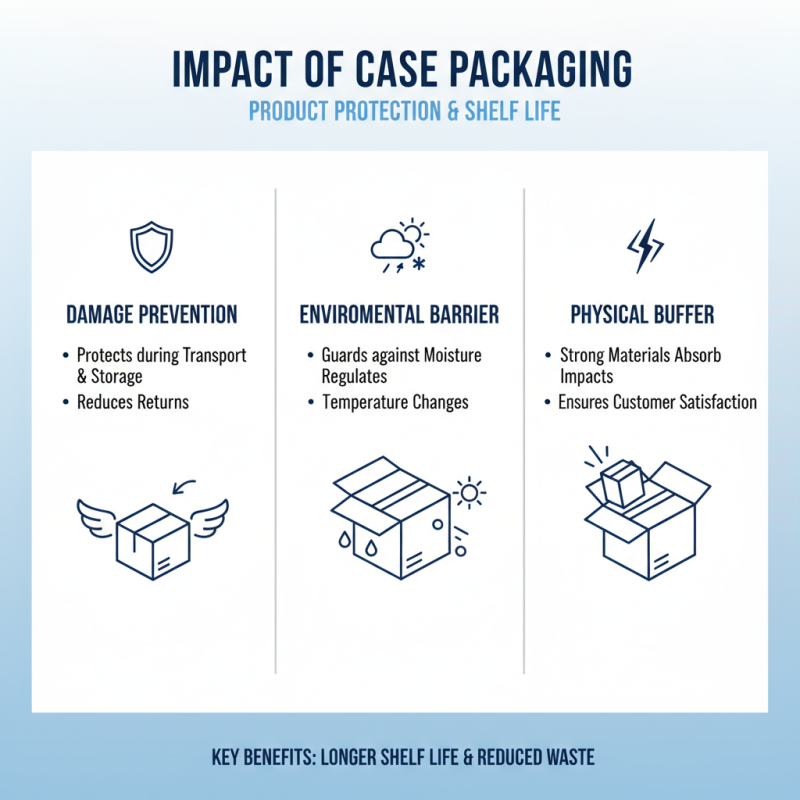
Case packaging plays a crucial role in product protection and shelf life. The right packaging can prevent damage during transport and storage. It safeguards items from environmental factors, like moisture and temperature changes. Strong materials provide a buffer against impacts. This reduces returns and ensures customer satisfaction.
Consider fragile items, such as glass or electronics. They require extra care in packaging. Poor case packaging can lead to significant losses. It's essential to invest in durable materials that withstand handling. Food products also benefit from proper packaging. Vacuum sealing can extend shelf life by minimizing exposure to air.
On the flip side, not all businesses prioritize packaging. Sometimes, costs take precedence over quality. This can lead to damaged goods, unhappy customers, and lost sales. Evaluating the effectiveness of current packaging practices is vital. A careful approach to case packaging reflects a brand’s commitment to quality. It ultimately supports a business’s reputation and growth in a competitive market.
Market Trends: Growth and Innovations in Case Packaging Solutions
Case packaging is witnessing rapid growth and innovation, driven by evolving consumer needs. According to a recent report by Smithers Pira, the global case packaging market is expected to reach $50 billion by 2025, indicating a CAGR of 4.6%. This growth is influenced by increasing demand for sustainability. Many companies are focusing on eco-friendly materials to meet consumer preferences.
Innovations in case packaging are notable. The rise of e-commerce has prompted businesses to adopt more efficient and protective packaging solutions. Sleek designs are not just about aesthetics; they minimize waste and improve shelf life. A study by the Packaging Association noted that 65% of consumers are willing to pay more for sustainable packaging.
However, challenges remain. Not all businesses have adapted to these changes fully. Some continue using outdated packaging methods, which can be costly in the long run. The transition to sustainable materials can be complex. Businesses must balance cost and environmental impact carefully. Investing in innovative packaging solutions is crucial to remain competitive. The case packaging landscape is constantly evolving, requiring companies to stay updated on trends and technologies.
Economic Benefits of Effective Case Packaging for Businesses
Case packaging plays a vital role in the success of businesses. Effective packaging can enhance product visibility and appeal to customers. It also protects merchandise during shipping and handling. Good case packaging reduces waste, which can lead to cost savings. This is crucial for companies looking to thrive in a competitive market.
Economic benefits are significant. Properly designed packaging can lower shipping costs by maximizing space. This means more products per shipment. Moreover, appealing packaging can influence customer buying decisions. It establishes brand identity and builds consumer trust. Investing in quality packaging often yields long-term returns.
Tips for effective case packaging include:
- Choose materials that are durable yet lightweight. This reduces shipping costs while ensuring safety.
- Utilize designs that stand out without overwhelming. A clean and bold design attracts attention.
Reflect on your current packaging strategies. Are they up to standard? Continuous improvement is key to staying competitive. Analyzing customer feedback can guide changes in packaging.