China Top Retail Packaging Trends You Should Know?
In the rapidly evolving world of retail packaging, staying ahead of trends is crucial for businesses. According to Mark P. Miller, a leading expert in the retail packaging sector, “Effective packaging can make or break consumer decisions.” This underscores the importance of understanding current trends to enhance brand visibility and customer engagement.
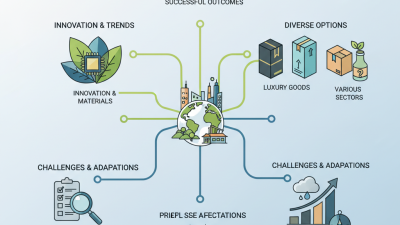
The retail packaging landscape in China is experiencing significant shifts. Sustainability is at the forefront, with many brands opting for eco-friendly materials. Consumers are increasingly drawn to brands that prioritize environmental responsibility. Additionally, innovative designs that enhance product visibility and user experience are gaining traction. These elements are not just fleeting trends; they set the foundation for a brand’s success in a competitive marketplace.
Yet, challenges remain. Companies must balance aesthetics and functionality. Packaging that looks good but fails to protect the product can lead to consumer dissatisfaction. In this dynamic environment, reflecting on what works and what doesn’t is essential for continuous improvement. Being adaptable and attentive to consumer needs sets successful brands apart in the retail packaging arena.
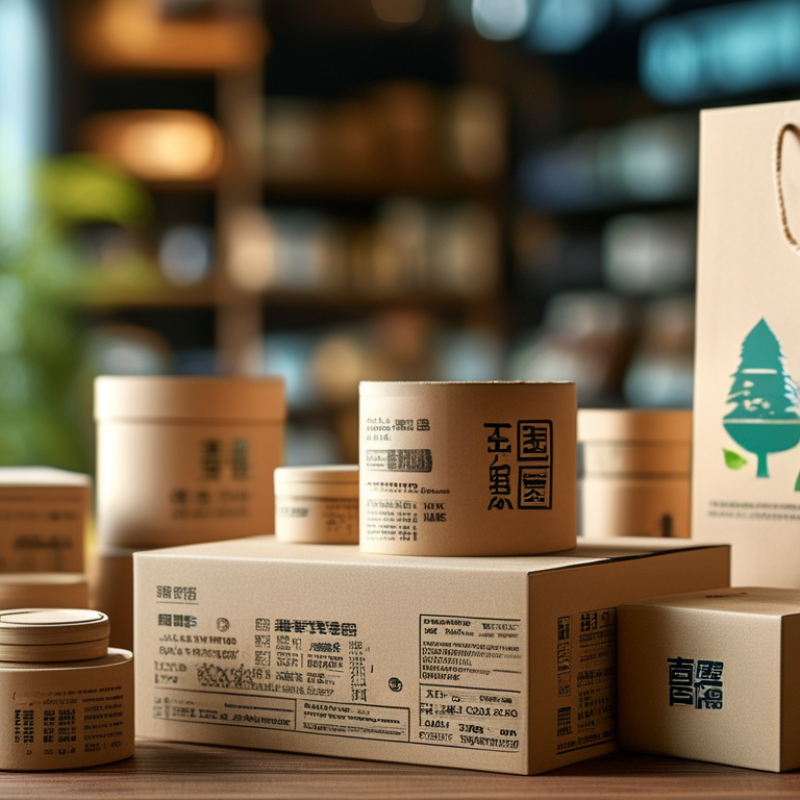
Emerging Sustainable Packaging Solutions in China's Retail Sector
China's retail sector is witnessing a transformation with sustainable packaging emerging as a crucial trend. Consumers are becoming increasingly eco-conscious. They demand packaging that minimizes environmental harm. This shift is prompting retailers to adopt biodegradable materials and reusable designs. These solutions reflect a growing commitment to sustainability.
One notable approach is the use of plant-based materials in packaging. These materials are not only biodegradable but reduce reliance on petrochemicals. Additionally, many brands are experimenting with minimalist packaging. This not only cuts down on waste but also resonates with consumers seeking authenticity. However, challenges still exist. Many companies struggle with sourcing sustainable materials that are also affordable. This gap often leads to compromises in quality or functionality.
Additionally, engaging consumers in the packaging process is essential. Providing information about disposal methods can enhance consumer awareness. Transparency about sourcing practices builds trust. Still, some brands hesitate to share this information, fearing backlash. To thrive in this evolving market, brands must navigate these complexities thoughtfully. Sustainable packaging is more than a trend; it is a commitment to a better future.
Innovative Design Trends Shaping Retail Packaging Aesthetics
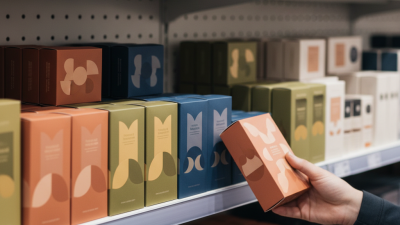
In today's retail landscape, packaging plays a crucial role in brand visibility and consumer appeal. Innovative designs are redefining how products are presented on shelves. Brands are shifting towards minimalism, opting for clean lines and simple color palettes. This stark approach allows products to stand out in a crowded market, creating an elegant and modern aesthetic.
Sustainable packaging is another significant trend. Consumers are increasingly prioritizing eco-friendly materials. Brands are exploring innovative solutions, such as biodegradable plastics and recycled paper. This shift can be challenging. Not all sustainable materials perform well in all environments. It requires careful consideration during the design phase. Reflecting genuine commitment to sustainability can enhance a brand's credibility.
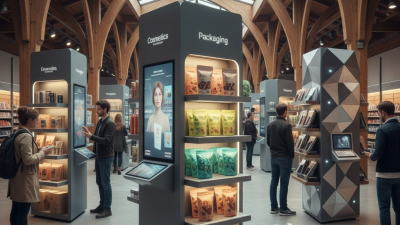
Another interesting trend is the use of interactive packaging. Brands are incorporating QR codes and augmented reality features. This engages customers on another level, offering them more than just physical products. However, not all interactions are successful. If the technology is buggy or the experience is lackluster, it can backfire. Therefore, frequent testing and feedback are vital in creating effective interactive designs.
The Impact of E-commerce on Retail Packaging Formats
The rise of e-commerce has dramatically reshaped retail packaging formats. According to recent data, over 30% of retail sales in China now occur online. This surge has made packaging more crucial than ever. Brands are focusing on functionality and sustainability to meet the demands of consumers who prefer online shopping.
E-commerce requires packaging that can withstand transit while also appealing visually to customers. Research shows that 72% of consumers report that packaging design influences their purchasing decisions. Many retailers now prioritize simple, recyclable materials over elaborate designs. This shift reflects a broader trend towards sustainability driven by consumer awareness.
However, there is still room for improvement. Brands struggle to balance protection and minimalism. Some packaging designs do not fully consider the user experience, leading to frustration. In addition, as competition heats up, standing out on digital shelves is increasingly challenging. Retailers must continually innovate and rethink their strategies to meet this evolving landscape in e-commerce packaging.
Consumer Preferences Driving Changes in Packaging Materials
In recent years, consumer preferences have significantly influenced retail packaging trends in China. Sustainability has become a critical factor. Many consumers now prefer eco-friendly materials. This shift is pushing brands to rethink their packaging strategies. Biodegradable options are gaining popularity. They resonate well with environmentally-conscious consumers. Feedback indicates that shoppers are more likely to purchase products with sustainable packaging.
Additionally, aesthetics play a crucial role in consumers' choices. Eye-catching designs can enhance appeal. Consumers often seek unique packaging that tells a story. This trend leads to innovative shapes and vibrant colors. Brands that fail to innovate may risk losing market share. However, balancing aesthetics with functionality remains a common challenge. Sometimes, trendy designs compromise product protection. This tension highlights the need for brands to find the right mix.
Transparency is another growing demand. Shoppers want to know what’s inside the package. Clear labeling helps build trust between consumers and brands. Some brands struggle to convey their ingredients clearly. This gives rise to consumer confusion. Companies must work harder to ensure their messaging is straightforward. Overall, these evolving consumer preferences require brands to adapt continuously.
China Top Retail Packaging Trends You Should Know
| Trend |
Description |
Material Focus |
Consumer Preference |
| Sustainable Packaging |
Increasing demand for eco-friendly and recyclable materials. |
Biodegradable plastics, recycled paper |
80% consumers prefer sustainable options |
| Minimalist Design |
Simplified packaging to enhance visual appeal and ease of use. |
Simple cardboard, clear plastic |
65% consumers favor minimalism |
| Smart Packaging |
Integration of technology for consumer engagement. |
QR codes, NFC technology |
70% interested in interactive packaging |
| Personalized Packaging |
Customized packaging to enhance customer experience. |
Custom labels, unique designs |
75% prefer personalized options |
| Convenience Packaging |
Focus on user-friendly, easy-to-carry designs. |
Zip locks, easy-open features |
85% prioritize convenience |
Government Regulations Influencing Retail Packaging Practices in China
Government regulations have a significant impact on retail packaging practices in China. To promote sustainability, the government has implemented stricter rules on plastic use. For instance, a recent report by the Chinese Ministry of Ecology and Environment indicates that by 2025, 80% of packaging materials used in e-commerce must be recyclable or reusable. This shift aims to curb waste and align with global sustainability goals.
Retailers face challenges in adapting to these regulations. Many lack the resources to invest in sustainable materials. In a survey conducted by the China Packaging Federation, 45% of companies reported difficulty in sourcing eco-friendly alternatives. Meanwhile, customers have started to demand more transparency regarding packaging sustainability. This trend could further compel brands to rethink their packaging strategies.
Additionally, fines for non-compliance can be severe. Reports suggest penalties can reach up to $15,000 for companies that fail to adhere to new guidelines. Such pressures highlight the urgent need for a strategic approach. Retailers must navigate these regulations while seeking innovative packaging solutions that align with consumer expectations. This balancing act requires investment, creativity, and a commitment to sustainability.
Retail Packaging Trends in China