How to Choose the Best Display Packaging for Your Product?
Choosing the right display packaging is crucial for product success. In a competitive market, effective packaging can enhance visibility and attract consumers. According to a recent study by Smithers Pira, 73% of shoppers make decisions based on packaging alone. This statistic highlights the impact of display packaging on consumer behavior.
Innovative design can differentiate a product on crowded shelves. Brands that invest in creative packaging often see a 30% increase in sales. However, not all designs work. Poor choices can lead to confusion or even rejection by customers. It's important to align the packaging with the brand’s identity and consumer expectations.
Sustainability is another critical consideration. A report by the Environmental Protection Agency notes that 68% of consumers prefer sustainable packaging. Display packaging choices must balance eye-catching designs with eco-friendly materials. This not only appeals to eco-conscious shoppers but also contributes to long-term brand loyalty. In summary, selecting the right display packaging involves careful thought and industry insights.

Understanding the Importance of Display Packaging for Products
Display packaging is a crucial aspect of product marketing. It serves as the first point of interaction between the consumer and the product.
Eye-catching designs can draw attention, but it’s not just about looks. The packaging must reflect the brand’s identity and convey essential product information.
Consider how display packaging can enhance or detract from a product’s appeal. A well-designed box can make a simple item seem premium.
However, if the packaging is confusing or lacks clarity, it can confuse customers.
Don’t underestimate the power of textures and colors.
They evoke emotions and influence buying decisions. But finding the right balance can be tricky.
Sustainability is another pressing concern. Many consumers prefer eco-friendly options.
Packaging choices should align with these values. Still, some companies struggle to find materials that are both attractive and sustainable.
It’s essential to reflect on the impact of packaging on the environment and consumer behavior.
In the end, thoughtful display packaging can elevate a product, but it requires careful consideration and creativity.
Factors to Consider When Selecting Display Packaging Materials
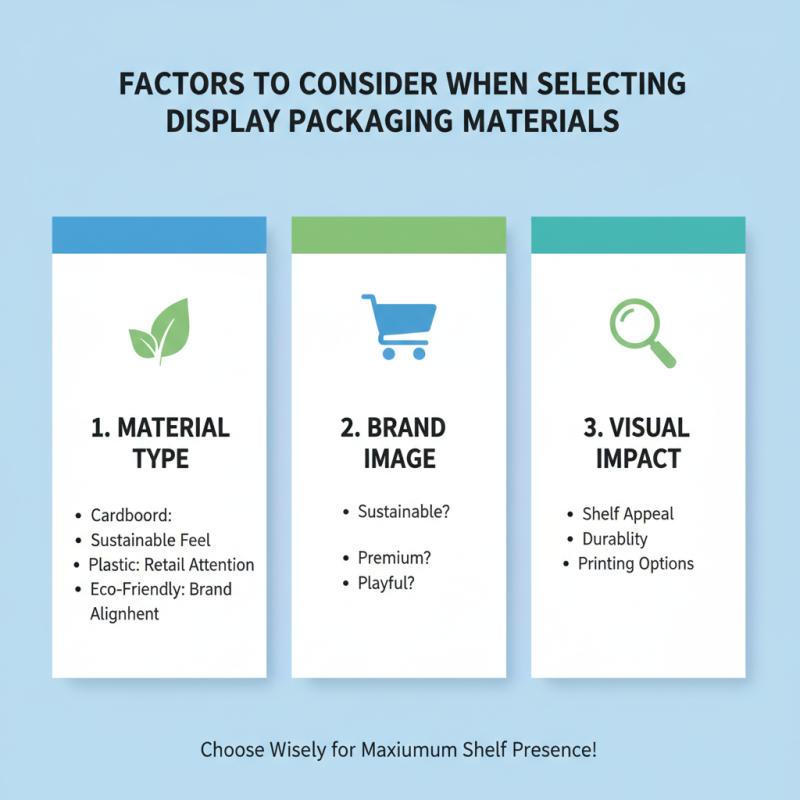
When choosing display packaging, several factors are key. The first is material. Cardboard, plastic, or eco-friendly options each have their pros and cons. Ask yourself which material aligns with your brand image. For example, cardboard can offer a sustainable feel, while plastic may attract more attention in retail environments.
Design is another vital element. An eye-catching design makes a difference. Consider colors, shapes, and graphics. Ensure your packaging tells a story. A unique design can make potential buyers stop and take notice.
Tips: Keep it simple. A cluttered design can confuse consumers. Test different designs on small focus groups. Gather feedback and adjust accordingly. Don’t ignore functionality. Easy-to-open packaging enhances user experience.
Don’t forget about regulations. Ensure your packaging complies with safety standards. Neglecting this can lead to issues. Always double-check if the materials are safe for the product they hold.
Exploring Different Types of Display Packaging Options
When exploring different types of display packaging options, it’s vital to consider the product's characteristics.
Clear containers can showcase items beautifully. A well-lit environment enhances this effect. However, visibility alone isn’t enough. The packaging must protect the product as well. What happens if it's damaged?
That can hurt your brand image.
Cardboard displays are another popular choice. They can be easily customized in shape and size. However, they may not be durable enough for heavy products. This raises questions about their long-term viability.
Additionally, some designs can become easily overlooked in a retail space. Eye-catching graphics are essential, but they may distract from the product itself.
Eco-friendly options are gaining traction today. These sustainable materials can appeal to conscious consumers. But they often have higher costs. Companies must reflect on whether this aligns with their budget.
Balancing aesthetics, protection, and cost is no simple task. Every choice has its pros and cons that deserve consideration.
Design Elements That Enhance the Appeal of Display Packaging
Choosing the best display packaging requires careful consideration of design elements. An attractive design can significantly enhance a product's appeal on store shelves.
Colors play a vital role. Bright colors can grab attention, while softer tones convey elegance. Moreover, using a cohesive color palette creates a harmonious look.
Textures also contribute to packaging appeal. A matte finish can suggest luxury, while gloss adds vibrancy. Unique shapes can differentiate your product from competitors. An unusual box design might draw customers closer. Consumers often associate innovative shapes with creativity.
Tips: Consider using eco-friendly materials. They attract environmentally conscious buyers. Bold typography can convey your brand's personality. Ensure it is legible from a distance. Remember, less is often more. Avoid overcrowding the design with too much information. Imperfections in design can reflect authenticity. It's okay to seem human; your audience appreciates it.
Evaluating Cost-Effectiveness of Display Packaging Choices
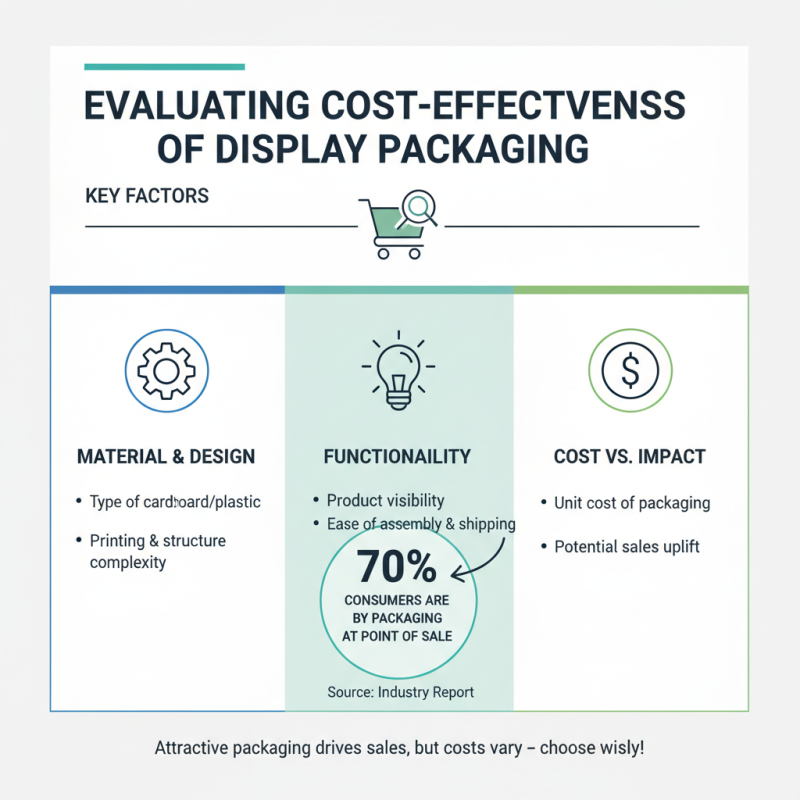
When evaluating the cost-effectiveness of display packaging, consider material, design, and functionality. According to a recent industry report, nearly 70% of consumers are influenced by packaging at the point of sale. This statistic highlights the importance of attractive display packaging. However, the costs can vary greatly.
When selecting materials, weigh durability against price. Eco-friendly options may be slightly higher in cost but can appeal to environmentally conscious consumers. In fact, about 55% of shoppers are willing to pay more for sustainable packaging. Brands should also think about how packaging affects storage and shipping costs. Display packaging that optimizes space can save money in logistics.
Tips:
1. Calculate potential return on investment.
2. Evaluate your target audience.
3. Test different designs before a full rollout.
Reflect on what may go wrong. Overspending on fancy designs can lead to wasted resources. Practicality is key. Sometimes, simple packaging is more effective than elaborate designs, especially if it meets the customer's needs without unnecessary frills. Balancing quality, cost, and consumer appeal is crucial for successful display packaging.