Why Choose Plastic-Free Sugarcane Bagasse Bowls for Your Business?
In today's eco-conscious market, businesses must reconsider their packaging choices. Plastic pollution has become a major concern, prompting many to seek sustainable alternatives. Among these options, Plastic-Free Sugarcane Bagasse Bowls stand out for their environmental benefits.
These bowls are made from the byproduct of sugarcane processing. This process transforms waste into a functional product, reducing landfill contributions. Businesses can align with customer values by using eco-friendly materials. Moreover, these bowls are compostable, adding to their appeal.
While the transition to Plastic-Free Sugarcane Bagasse Bowls may seem straightforward, challenges exist. Sourcing and cost can be barriers. Yet, the long-term benefits often outweigh these initial hurdles. Choosing sustainable packaging not only helps the planet but can enhance brand reputation. The journey toward sustainability requires commitment and the willingness to adapt.
Benefits of Using Plastic-Free Sugarcane Bagasse Bowls
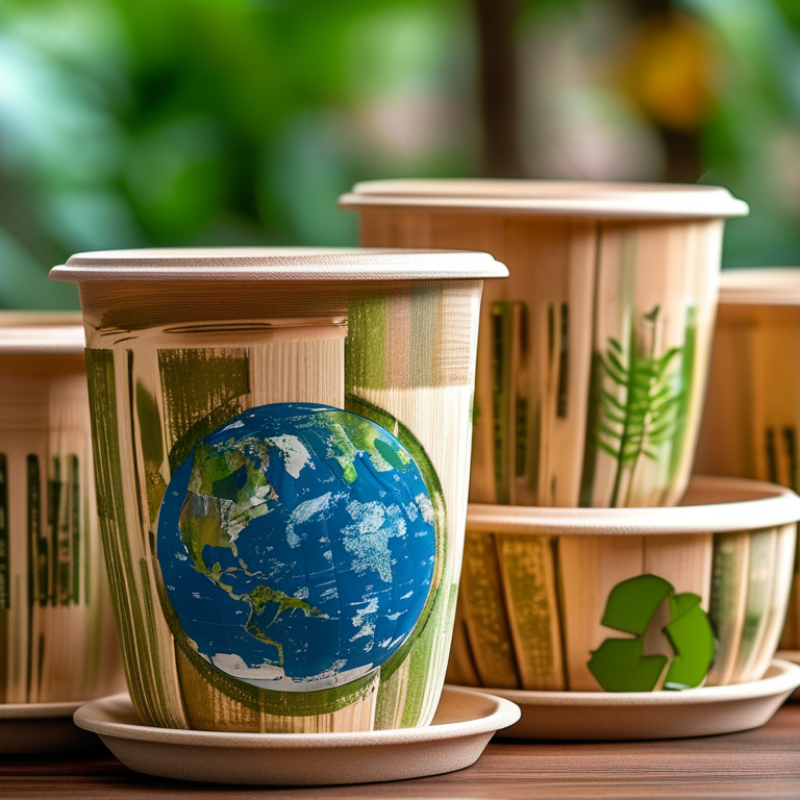
Using plastic-free sugarcane bagasse bowls is a sustainable choice for businesses. These bowls are made from the fibrous residue left after extracting juice from sugarcane. They are biodegradable and compostable, making them an eco-friendly alternative to traditional plasticware. This not only reduces plastic waste but also appeals to environmentally conscious consumers.
One significant benefit of sugarcane bagasse bowls is their strength. They can handle both hot and cold foods without leaking or bending. Additionally, they are microwave and freezer-safe, providing convenience for food preparation and storage. However, some businesses may underestimate their resistance to moisture. It’s essential to test different food types, as certain sauces might impact the bowl's integrity.
Tips for transitioning to bagasse bowls include gradually replacing plastic items with these bowls. Businesses can start with their most popular menu items. Gather customer feedback to assess their response. Promote the eco-friendly aspects of these bowls in marketing campaigns to highlight your commitment to sustainability. Engaging your customers in this journey can foster brand loyalty and enhance your business's image.
Why Choose Plastic-Free Sugarcane Bagasse Bowls for Your Business? - Benefits of Using Plastic-Free Sugarcane Bagasse Bowls
| Benefit | Description | Environmental Impact | Cost-effectiveness |
| Biodegradable | Made from natural sugarcane fibers, these bowls break down more easily than plastic. | Reduces landfill waste and minimizes plastic pollution. | Generally competitive pricing against plastic alternatives. |
| Durability | Designed to withstand hot and cold temperatures without losing structural integrity. | Less likely to contribute to microplastic pollution. | Cost savings from reduced wastage during service. |
| Customizable | Available in various sizes and designs suitable for branding. | Promotes sustainable business practices. | Enhances brand value and customer loyalty. |
| Compostable | Can be composted at home or in industrial composting facilities. | Helps return nutrients to the soil, benefiting the ecosystem. | Less long-term disposal costs compared to plastic. |
Environmental Impact of Choosing Biodegradable Materials
Choosing plastic-free sugarcane bagasse bowls is not just a trend; it’s a significant step towards sustainability. The environmental impact of biodegradable materials like bagasse cannot be overstated. Research indicates that traditional plastic takes up to 1,000 years to decompose, while bagasse bowls can break down in about 90 days under the right conditions. This rapid degradation helps reduce landfill waste and greenhouse gas emissions, making it an eco-friendly choice for businesses.
Business owners should consider switching to biodegradable options. According to the Ellen MacArthur Foundation, up to 60% of plastic waste comes from single-use items. By using sugarcane bagasse bowls, companies can lower their carbon footprint. These bowls are sturdy and versatile, suitable for hot and cold foods. Moreover, they are compostable, adding nutrients back to the soil rather than polluting it.
When making this transition, here are some tips to keep in mind.
- Evaluate your current usage of single-use plastics.
- Aim for a phased approach.
- Educate your staff and customers about the benefits.
This small change can mobilize a larger shift towards sustainability. Remember, every step counts in the fight against plastic pollution.
Cost-Effectiveness of Sugarcane Bagasse Bowls for Businesses
Cost-effectiveness plays a crucial role in the choice of materials for businesses. Sugarcane bagasse bowls provide an appealing solution. They offer competitive pricing compared to traditional plastic options. These eco-friendly alternatives do not sacrifice quality for cost. They resist moisture and oil, ensuring that customers receive high-value products.
Additionally, using sugarcane bagasse bowls can reduce waste disposal costs. Many waste management services charge less for compostable materials. Businesses can save money while promoting sustainability. This adds to a positive public image. Customers often prefer brands that demonstrate environmental responsibility.
However, it’s vital to consider sourcing and production methods. Not all bagasse bowls are created equal. Some may lack durability or consistency. Research is essential to verify suppliers. Evaluating reviews and industry certifications can help. Investing time upfront will lead to better long-term results. Ultimately, balancing cost with quality and sustainability is key.
Cost-Effectiveness of Sugarcane Bagasse Bowls for Businesses
Customer Preferences Toward Eco-Friendly Packaging Options
In recent years, consumer preferences have shifted significantly toward eco-friendly packaging options. Many customers now prioritize sustainability when choosing products. They seek items that reflect their values. Among these options, plastic-free sugarcane bagasse bowls stand out. Made from a natural byproduct of sugar production, they're an attractive choice for businesses aiming to appeal to eco-conscious consumers.
Research indicates that a growing number of customers are willing to pay more for sustainable packaging. They perceive eco-friendly options as better for the environment and their health. This shift presents both opportunities and challenges for businesses. While many consumers appreciate the move toward sustainability, some may question the durability and effectiveness of alternative materials. Ensuring that your packaging meets quality standards is vital. Addressing these concerns can enhance customers' trust and loyalty, leading to stronger brand relationships.
Another aspect to consider is the balance between cost and environmental impact. Businesses must evaluate their supply chains and sourcing methods. Not all eco-friendly options are equally sustainable. Sometimes, the perceived benefits may not align with the actual environmental impact. It's essential for businesses to remain transparent about their choices. This challenges brands to continuously assess and improve their practices while keeping customers informed.
Comparing Sugarcane Bagasse Bowls with Traditional Packaging Materials
When comparing sugarcane bagasse bowls with traditional packaging materials, several critical factors emerge. Sugarcane bagasse is an eco-friendly alternative. Unlike plastic, these bowls decompose naturally and reduce landfill waste. Traditional materials like styrofoam and plastic can take hundreds of years to break down. This difference is essential for businesses aiming to promote sustainability.
Consider the durability of sugarcane bagasse bowls. They can withstand hot and cold foods. Many traditional options, however, may not endure high temperatures or moisture. This limitation can lead to leaks or spills, damaging the customer experience. In turn, it affects brand reputation. These bowls also offer a natural aesthetic, perfect for any dining setting.
Tips: Choose suppliers who practice ethical sourcing of sugarcane. This helps ensure the integrity of your packaging. Always conduct tests with different foods. Assess how well the bowls hold up in various conditions. Recognizing their limits can guide your choice of materials.