How to Choose the Right Commerce Packaging for Your Business Needs?
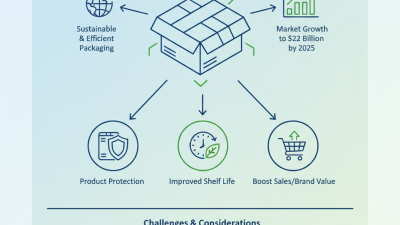
Choosing the right commerce packaging is essential for any business. The packaging not only protects the product but also enhances customer experience. According to a recent report by Smithers Pira, the global market for packaging is expected to reach $1 trillion by 2024. This growth highlights the increasing importance of well-designed commerce packaging.
Effective commerce packaging can influence purchasing decisions. A study by 72% of consumers stated that they consider packaging when making a purchase. Eco-friendly materials are gaining traction. Reports show that 50% of consumers prefer sustainable packaging options. This shift can impact brand loyalty and customer retention.
Despite the growing focus on quality packaging, many businesses still overlook critical factors. Some companies choose cost over functionality, leading to issues like damage during shipping. Others may not consider the unboxing experience, which is increasingly important in today’s e-commerce landscape. Reflecting on these aspects is crucial for long-term success. Taking time to assess and adapt your commerce packaging strategy can yield significant benefits for your business.

Understanding the Importance of Packaging in E-Commerce Sales Performance
In the realm of e-commerce, packaging plays a vital role in sales performance. Customers often form their first impression based on the packaging. A well-designed box or bag grabs attention. It creates excitement and anticipation. When an item arrives in a sturdy, attractive package, it boosts the perceived value. Conversely, poor packaging can lead to disappointment. This can harm customer trust and brand reputation.
Choosing the right packaging involves more than just aesthetics. It should protect the product effectively. Fragile items need cushioning. The size must suit the product, reducing movement during shipping. Sometimes, less is more. Overly complicated packaging can frustrate customers. Easy-to-open designs enhance the unboxing experience. This emotional connection can lead to repeat purchases.
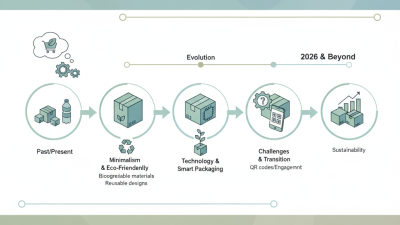
Sustainability is also a growing concern. Many shoppers prefer eco-friendly materials. Using recyclable or biodegradable options can attract a conscious audience. However, businesses must balance eco-friendliness with functionality. It's a challenge to meet these expectations while keeping costs manageable. Reflecting on these factors can guide effective packaging choices.
Identifying Your Product Type and Its Specific Packaging Requirements
Choosing the right packaging is crucial for your product's success. Each product type has its own requirements. For example, fragile items need sturdy packaging. If you sell electronics, consider anti-static materials. These materials protect the devices during transit. On the other hand, perishable goods require insulated packaging. This keeps food fresh and safe.
Reflecting on your product type is essential. What does it look like? Is it heavy or light? Understanding its physical characteristics will guide your packaging choice. Not all designs work well for every product. Sometimes, the most eye-catching options are not functional. Trying various options helps you learn.
Think about the customer's experience too. How will they unbox the product? A seamless experience enhances satisfaction. However, some might prioritize cost over quality. This could lead to damaged goods and unhappy customers. Balancing cost and quality is a challenge. Each decision affects your brand's reputation.
Evaluating Packaging Materials: Cost, Durability, and Environmental Impact
Choosing the right packaging materials is vital for any business. Cost, durability, and the environmental impact are key factors in this decision. You want to balance affordability with quality. Sometimes cheaper options fail to protect products, costing more in the long run. Customers notice when items arrive damaged. Such shortcomings can hurt your brand's reputation.
Durability is essential. Different materials offer varying levels of protection. For example, cardboard boxes may be lighter, but they often lack the sturdiness needed for heavier items. Think about shipping and handling. Packaging should withstand various conditions, including moisture and rough handling. However, businesses often overlook tests for durability. It’s easy to assume a material is strong enough based on price or appearance.
Environmental impact cannot be ignored. Many consumers prefer eco-friendly options. Packaging that is recyclable or made from sustainable materials can enhance your brand appeal. Still, these options can be pricier. Reflect on your supply chain. Sustainable choices might complicate logistics or elevate costs. Consider the long-term benefits rather than just expenses. Balancing these factors can be daunting, yet it’s crucial for growth.
Analyzing Customer Preferences and Unboxing Experience for Brand Loyalty
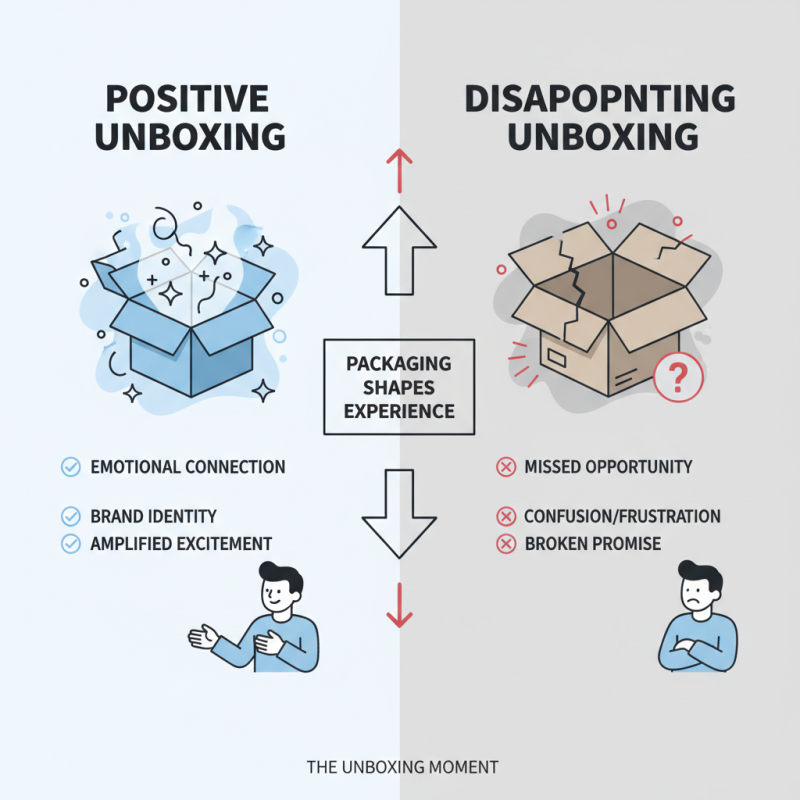
The packaging of products plays a vital role in shaping customer experience. A well-designed package can create an emotional connection. Unboxing is an important moment for customers, often showcasing the brand's identity. When customers anticipate a great reveal, their excitement amplifies. However, not all packaging fulfills this promise.
Many businesses overlook materials and design. Some choose cheap options, compromising the experience. Others may focus solely on aesthetics, neglecting functionality. When a package is hard to open or falls apart, the thrill diminishes. It's crucial to balance both form and function.
Understanding customer preferences is key. Surveys and feedback can inform improvements. Customers appreciate eco-friendly options and clever designs. Yet, it’s not just about what looks good. The touch and feel of packaging matter too. Brands must consider how packaging aligns with values. This attention to detail fosters loyalty and trust. An effective package can turn first-time buyers into repeat customers, elevating the overall brand experience.
Logistics Considerations: Cost-Effectiveness and Shipping Efficiency
When choosing commerce packaging, logistics considerations are crucial. Cost-effectiveness can define your bottom line. Opting for lightweight materials might save on shipping costs, but could compromise product safety. This trade-off requires careful thought. Sometimes, packing materials might seem cheap but can lead to damage. Are you prepared for returns?
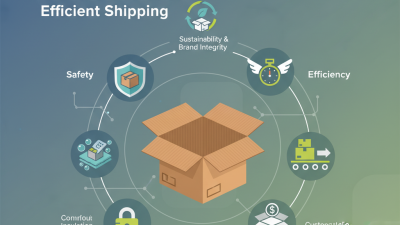
Shipping efficiency also plays a significant role. Choose boxes that fit your products snugly, reducing the need for excess cushioning. This not only cuts costs but also lessens the environmental impact. However, it’s essential to assess if the chosen packaging meets transit conditions. Inadequate packaging may lead to delays or loss.
Balancing cost and efficiency often proves challenging. There’s always the risk of overpacking or underpacking. The goal is to deliver products intact while keeping expenses manageable. Revisiting your packaging strategy regularly can help uncover areas for improvement. Reflection on past shipping experiences will guide you in making better decisions.
Commerce Packaging Considerations