How to Choose the Right Display Packaging for Your Products?
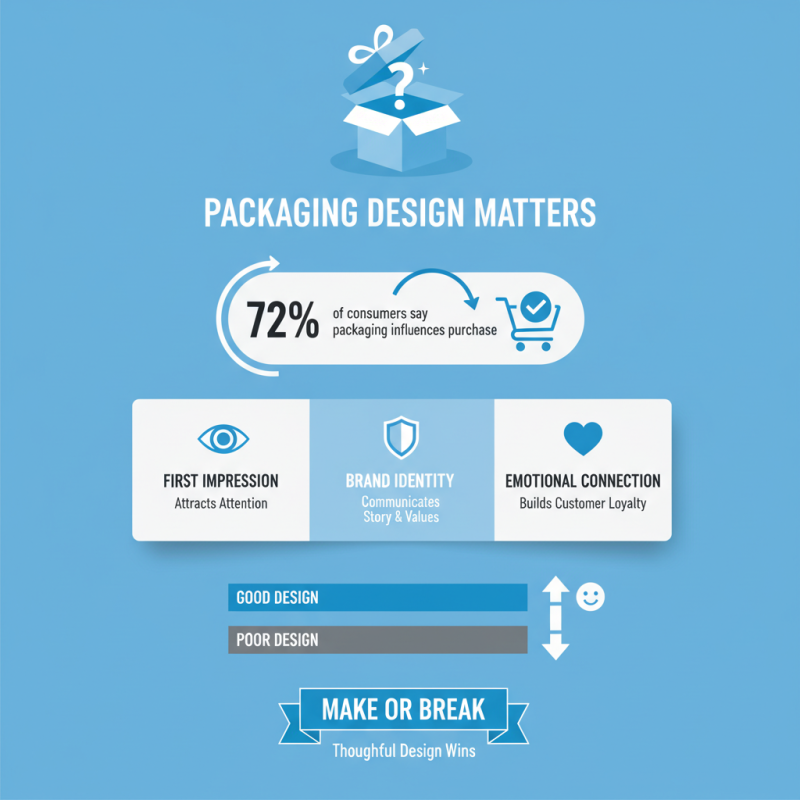
Choosing the right display packaging for your products is crucial in today's competitive market. Renowned packaging expert Karen Sullivan once said, "The right packaging can elevate a product's appeal and boost sales." This statement emphasizes the importance of display packaging in creating a strong first impression.
When selecting display packaging, several factors come into play. Product type, target audience, and marketing goals must align. Too often, companies overlook the impact of materials and design. For instance, clear packaging can showcase a product's features effectively. However, it may not always convey the desired brand identity. Understanding these nuances can lead to better choices.
The complexity of display packaging cannot be ignored. A clever design might attract attention but might not be functional. Balance is essential. Brands should embrace experimentation and feedback to refine their approaches. Mistakes should be seen as learning opportunities to improve packaging strategies over time. In the end, the right display packaging can be the difference between a sale and a pass.
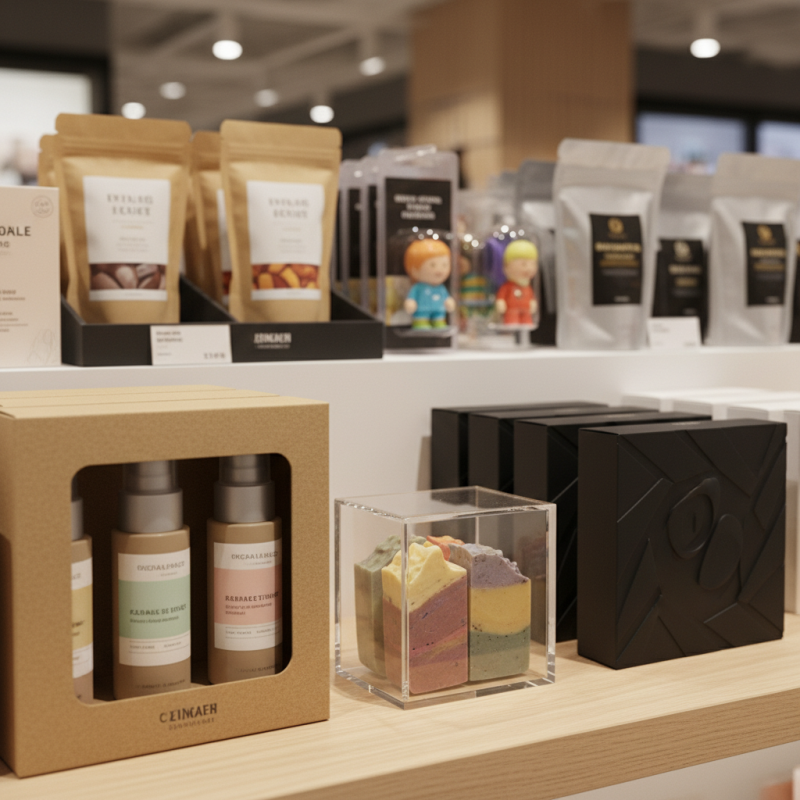
Understanding Different Types of Display Packaging for Products
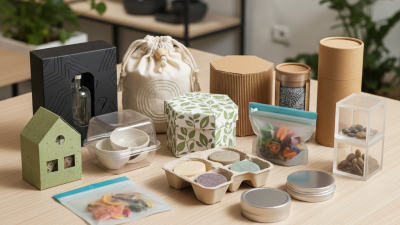
When selecting display packaging, it's crucial to understand the various types available. Display packaging can come in many forms, such as boxes, trays, and bags. Research indicates that 72% of consumers make purchasing decisions based on packaging. Thus, the right packaging can greatly influence sales.
A key type is the point-of-sale (POS) display. These are designed to catch a shopper's eye. They can be simple or elaborate, depending on the product. A recent report showed that POS displays can increase impulse purchases by up to 30%. However, not every product fits well into these displays. Brand identity and product type must align with the chosen style.
**Tips:** Consider sustainability in your packaging. 30% of consumers prefer eco-friendly options. Test different designs to see what resonates. Feedback is invaluable. Don’t hesitate to revise your choices based on customer input. Packaging should feel inviting but also functional. Aim for that balance; it’s not always easy.
How to Choose the Right Display Packaging for Your Products?
| Packaging Type |
Material |
Best For |
Advantages |
Disadvantages |
| Cardboard Box |
Recycled Paperboard |
Retail Products |
Eco-friendly, customizable |
Less moisture resistant |
| Blister Packaging |
Plastic |
Pharmaceuticals, Electronics |
Visibility, tamper-evidence |
Not biodegradable |
| Shrink Wrap |
Polyethylene |
Food Items, Bundling |
Cost-effective, flexible |
Limited protection |
| Glass Jar |
Glass |
Food Products, Cosmetics |
Preservation, premium feel |
Heavy, breakable |
| Primary Packaging |
Varies |
Almost all products |
Direct contact, branding |
Possible high cost |
Evaluating Material Options: Cardboard, Plastic, and Sustainable Choices
When choosing display packaging, material options are crucial. Cardboard is popular for its versatility. It can be easily customized with prints. It’s lightweight, which can reduce shipping costs. However, cardboard may not be water-resistant. This can be a concern for certain products. It’s important to consider the environment in which the packaging will be used.
Plastic offers durability and design flexibility. It’s suitable for various shapes and can be transparent. This allows consumers to see the product inside. Yet, plastic raises environmental concerns. The accumulation of plastic waste is alarming. Consumers often prefer eco-friendly alternatives. It’s worth pondering whether using plastic aligns with your brand values.
Sustainable choices are gaining traction. Materials like recycled paper and biodegradable plastics are excellent options. They appeal to environmentally conscious consumers. However, the cost may be higher. This requires careful budgeting and planning. The balance between sustainability and cost-effectiveness needs thoughtful consideration. Exploring various materials can lead to innovative solutions. Choosing the right display packaging is not just a design choice; it's a reflection of your brand’s ethos.
Choosing the Right Display Packaging Material
Analyzing Consumer Preferences and Trends in Packaging Choices
When analyzing consumer preferences in packaging, it’s critical to understand evolving trends. In recent years, sustainability has become a priority. Many consumers prefer eco-friendly materials. They seek packaging that minimizes waste. For instance, biodegradable options often attract attention. A simple design can sometimes convey this message better than complex imagery.
Color and shape also play a significant role. Bright colors can capture interest quickly. However, neutral tones give a sense of sophistication. The right combination can enhance a brand's image. But there is a risk. Overly flashy designs may confuse potential buyers. Clarity in labeling is essential. Some products fail to convey their purpose effectively due to poor design choices.
Consumer feedback is invaluable. Many companies overlook it, leading to missed opportunities. Packaging should not only protect but also communicate. A thoughtful approach may require revisions based on preferences. Listening to the target audience defines success in the marketplace. It’s a continuous process of reflection and adjustment.
Measuring the Impact of Display Packaging on Sales and Customer Engagement
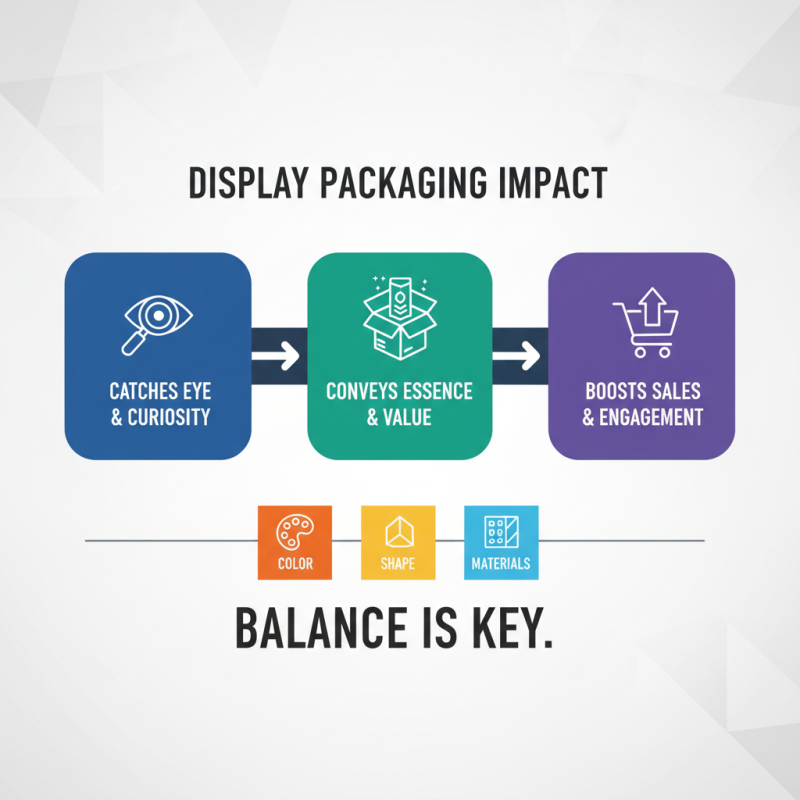
Display packaging plays a crucial role in influencing sales and customer engagement. The design must catch the eye while conveying the product’s essence. A well-crafted package can elicit curiosity. However, it should not overshadow the product itself. Balance is key. When assessing impact, consider color, shape, and materials.
Research shows that appealing display packaging can boost shelf visibility. Shoppers often gravitate toward products that stand out. Yet, over-the-top designs can confuse consumers. A simple, elegant approach might resonate more. Observing customer interactions in stores can reveal untapped insights. Not every design will perform equally well.
Monitoring sales data is essential. Look for patterns linked to packaging changes. If a new design underperforms, reflect on its elements. Was it too bold? Or perhaps not bold enough? Listening to customer feedback can guide future designs. Remember, the goal is engagement and driving sales, not just aesthetics.