How to Choose the Best Drilling Equipment for Your Needs?
Choosing the right Drilling Equipment is crucial for any project. With numerous options available, making the right choice can be overwhelming. Factors like project size, soil type, and budget significantly influence your decision. Understanding the specific requirements of your job is key to selecting effective drilling equipment.
Quality drilling equipment can improve efficiency and safety on-site. It minimizes potential setbacks and costly delays. However, many users misjudge their needs. They might select overpriced tools or fall for trendy brands without understanding their actual requirements.
Evaluating your needs is an ongoing process. You must reflect on past experiences and outcomes. Perhaps you’ve faced challenges with inappropriate tools before. Addressing these shortcomings will lead to better decisions in the future. The right drilling equipment not only enhances performance but also builds confidence in your work. By taking the time to analyze your specific requirements, you can find drilling equipment that truly meets your needs.
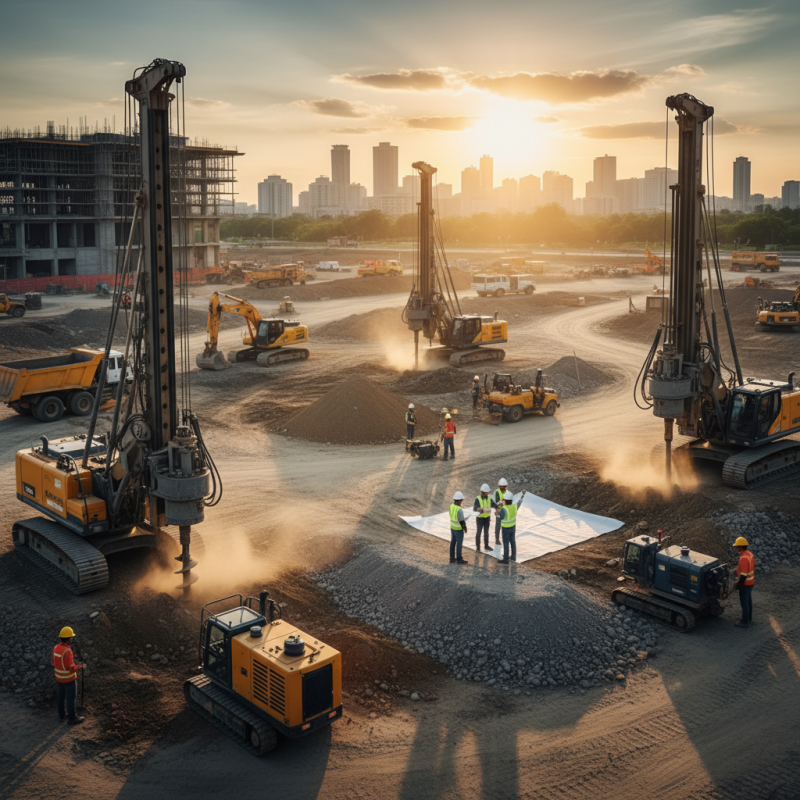
Identifying Your Drilling Project Requirements and Goals
When selecting drilling equipment, understanding your project requirements is essential. Clearly defined goals help streamline the selection process. For instance, a report by the International Energy Agency (IEA) highlights that 75% of drilling failures stem from inadequate planning. This data emphasizes the importance of thorough assessments before equipment selection.
Consider factors like soil type, depth requirements, and environmental conditions. Hard rock drilling often necessitates heavy-duty rigs and bits designed for high torque. Conversely, for soft soils, lightweight equipment may suffice. A study in the Journal of Petroleum Science & Engineering indicates that over 50% of project delays are linked to improper equipment choice.
Budget constraints and project timelines also play critical roles. A comprehensive analysis of funding availability can prevent unforeseen expenses and project overruns. Reflecting on previous projects can reveal valuable insights that can guide decision-making. Prioritize gathering input from experienced workers and engineers; their expertise can significantly enhance project outcomes.
Understanding Different Types of Drilling Equipment Available
When choosing drilling equipment, understanding the different types is crucial. Each type serves a unique purpose, making it essential to select one that fits your needs. Rotary drills, for example, are common in construction for holes in solid surfaces. They can penetrate through various materials quickly.
Another option is percussion drills. These are effective for hard rock and require less effort. They operate using a hammering action, breaking through tough surfaces. Then there are auger drills. They are excellent for creating holes in dirt or soft materials. They're often used in landscaping and well installation.
However, not every equipment type suits every job. Improper selection can lead to inefficiencies and frustration. Assessing the specific tasks you will conduct is vital. Consider factors like soil type, depth, and required precision. Each project may highlight different equipment needs. Reflect on past drilling tasks to determine what worked and what didn't.
Evaluating Key Features of Drilling Tools and Machinery
When evaluating drilling tools and machinery, key features play a critical role in meeting specific project demands. Understanding torque, speed, and depth capabilities can drastically influence performance. Reports indicate that drilling efficiency can increase by up to 30% with the right equipment choices. A robust torque rating ensures that the machinery can handle tough materials. Tools with variable speed settings offer versatility across different tasks.
Another important factor is the type of drilling method. Rotary, percussion, and auger drilling provide distinct advantages depending on soil conditions. The American Society of Civil Engineers notes that misalignment in drilling equipment can lead to a 15% waste in time and resources. Therefore, ensuring compatibility with project requirements is essential for avoiding costly mistakes.
Additionally, the longevity and reliability of machinery should not be overlooked. Higher-quality materials often translate to reduced maintenance costs. Industry studies show that investing in durable equipment can lead to a return on investment of 25% over ten years. Decisions should include careful consideration of maintenance requirements and expected lifespan to ensure long-term efficiency, even in fluctuating market conditions.
Assessing Cost, Budget, and Value for Your Drilling Needs
Choosing the best drilling equipment is not just about technical specifications. Cost plays a crucial role. It’s essential to evaluate your budget first. What can you realistically afford? Many people overlook hidden costs, like maintenance or additional accessories. Over time, these can significantly impact your overall spending.
Value is about more than just price. It involves assessing durability and performance. Consider how often you will use the equipment. For occasional projects, a less expensive option may suffice. However, for frequent use, investing more wisely in quality equipment pays off in efficiency and longevity.
It's also valuable to reflect on your specific drilling needs. Not all jobs require the same level of power or type of drill. Analyze the materials you will be working with. Will you need something lightweight or heavy-duty? Understanding these nuances can guide you to a choice that truly fits your requirements. Balancing cost and value can be challenging, but it's crucial for successful projects.
Assessing Cost, Budget, and Value for Your Drilling Needs
Considering Safety and Maintenance Factors in Equipment Selection
Selecting drilling equipment requires careful consideration of safety and maintenance. Safety should be the top priority. Equipment should comply with industry safety standards. Regular training for operators is essential to reduce accidents. Have safety gear accessible for all personnel. This includes helmets, gloves, and eye protection. Maintaining a clean work environment also plays a vital role in preventing injuries.
Maintenance factors cannot be overlooked. Regular inspections help identify worn components early. Keeping a log of maintenance activities can improve reliability. Equipment that is well-maintained often performs better. However, maintenance schedules are not always followed. This sometimes leads to costly breakdowns. It's essential to create a culture where maintenance is prioritized.
Assess the skills of the workforce too. Ensure that team members understand how to operate the equipment safely. Not all users may be experienced enough. Offering refresher courses can help bridge the gap. Additionally, consider seeking expert advice when choosing equipment. Experts can provide insights into specific needs. In an evolving industry, staying informed about best practices is crucial.
How to Choose the Best Drilling Equipment for Your Needs? - Considering Safety and Maintenance Factors in Equipment Selection
| Equipment Type | Safety Features | Maintenance Requirements | Durability Rating | Cost Estimate |
| Rotary Drill | Safety lock, emergency shutoff | Frequent lubrication, annual inspection | High | $5,000 - $10,000 |
| Hammer Drill | Anti-vibration handle, slip clutch | Monthly cleaning, bi-annual battery check | Moderate | $150 - $400 |
| Impact Drill | Overload protection, depth stop | Weekly check of cables, replace brushes | Moderate | $100 - $300 |
| Auger Drill | Safety guard, reinforced structure | Seasonal maintenance, part replacements if needed | Very High | $2,000 - $4,000 |
| Diamond Core Drill | Water cooling system, dust extraction | Daily inspection, regular diamond bit replacement | High | $10,000 - $15,000 |