Why Digital Printing Packaging is Revolutionizing the Packaging Industry?
Digital printing packaging is transforming the packaging landscape dramatically. Brands now embrace this modern approach for its versatility and efficiency. Traditional printing methods often limit creativity and customization. In contrast, digital printing breaks these barriers, allowing for vibrant colors and unique designs.
With digital printing packaging, businesses can create personalized packaging solutions tailored to their audience. Small batches can be produced quickly, reducing waste and costs. However, some brands struggle to balance quality and affordability. There remains a learning curve in adopting new technologies.
The environmental impact is another consideration. Digital printing can minimize excess materials, yet the production process can involve non-recyclable inks. Brands must navigate these complexities carefully. Ultimately, digital printing packaging offers immense potential, but it invites ongoing reflection on sustainable practices and market demands.
The Evolution of Packaging: From Traditional to Digital Printing
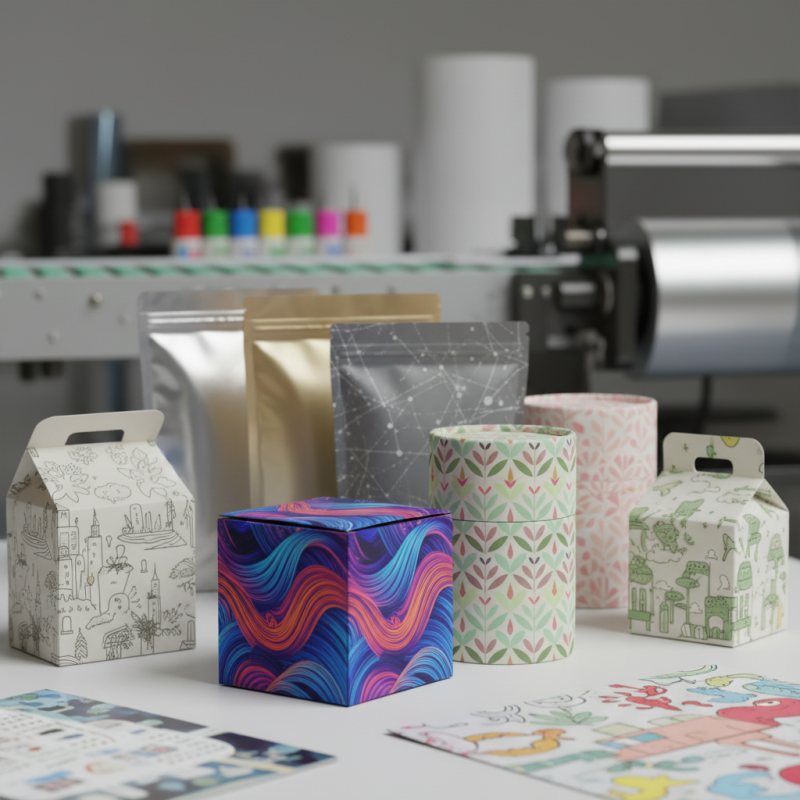
The packaging industry has undergone significant evolution over the years. In the past, traditional printing methods dominated. These methods often relied on large batches and limited designs. As a result, brands were constrained by high costs and long lead times. Customization was difficult to achieve. Many products looked similar and lacked uniqueness.
Digital printing is changing that landscape dramatically. It allows for shorter runs and more intricate designs. Brands can now create packaging that speaks to consumers. With digital technology, personalization is within reach. However, some challenges remain. Not every company can easily transition from traditional methods to digital. Finding the right technology and training staff takes time and resources.
Yet, the benefits are clear. Digital printing can reduce waste and improve sustainability. Print runs can be adjusted based on demand, minimizing overproduction. This new approach invites creativity but also raises questions. Is every package truly needed? Are we doing enough to balance innovation with responsibility? Companies must reflect on these aspects as they embrace this exciting transition.
Why Digital Printing Packaging is Revolutionizing the Packaging Industry?
| Aspect |
Traditional Printing |
Digital Printing |
| Setup Costs |
High initial costs due to plates and setups |
Lower initial costs, especially for small runs |
| Production Speed |
Slower due to lengthy setups |
Faster turnaround times |
| Customization |
Limited customization options |
High level of customization available |
| Waste Reduction |
Higher waste due to excess production |
Less waste, print on demand |
| Design Complexity |
Limited to simpler designs |
Can handle complex designs with ease |
| Market Responsiveness |
Slower to adapt to market trends |
Quick adaptation to new trends and demands |
| Environmental Impact |
More resources and energy intensive |
More eco-friendly options available |
Key Advantages of Digital Printing in Packaging Solutions
Digital printing is transforming the packaging industry in several significant ways. One key advantage is its ability to offer customization at a scale that traditional methods can't match. A recent study by Smithers Pira indicates that the digital print packaging market will grow at a CAGR of 11% to reach $28 billion by 2024. This shift to digital allows brands to create packaging that speaks directly to consumers, enhancing engagement.
Another critical benefit is the reduction in waste. Digital printing uses less ink and fewer materials. It enables companies to print short runs without the hefty costs associated with traditional printing. According to research by MarketsandMarkets, about 30% of printed packaging materials end up as waste. Digital solutions can greatly reduce this figure, promoting sustainable practices. However, the initial investment in digital technology can be daunting for some businesses.
Flexibility in design is another area where digital printing excels. Brands can quickly adapt packaging designs for different markets or seasonal promotions. However, the reliance on technology may hinder some smaller businesses. They might find it challenging to keep pace with these advancements. As the industry evolves, staying informed is crucial for all players.
Key Advantages of Digital Printing in Packaging Solutions
This chart illustrates the key advantages of digital printing in packaging solutions. The scores reflect the relative strengths of each advantage, showing how customized solutions and cost efficiency stand out in today's packaging industry.
Impact of Digital Printing on Customization and Personalization
Digital printing has transformed packaging. It allows for unique designs tailored to individual needs. Consumers want products that resonate with their identity. Digital printing meets this demand with ease.
With this technology, brands can quickly create small batches. Customization becomes feasible without huge costs. A company can offer limited edition packaging. Each piece might feel exclusive. Buyers appreciate this sense of individuality. They want to connect with what they purchase.
However, challenges remain. Not every design translates well to print. Variables like color fidelity can be tricky. Brands need to ensure quality across all prints. There is always room for improvement in this process. Digital printing opens doors but requires careful planning and execution. The journey to perfect customization continues.
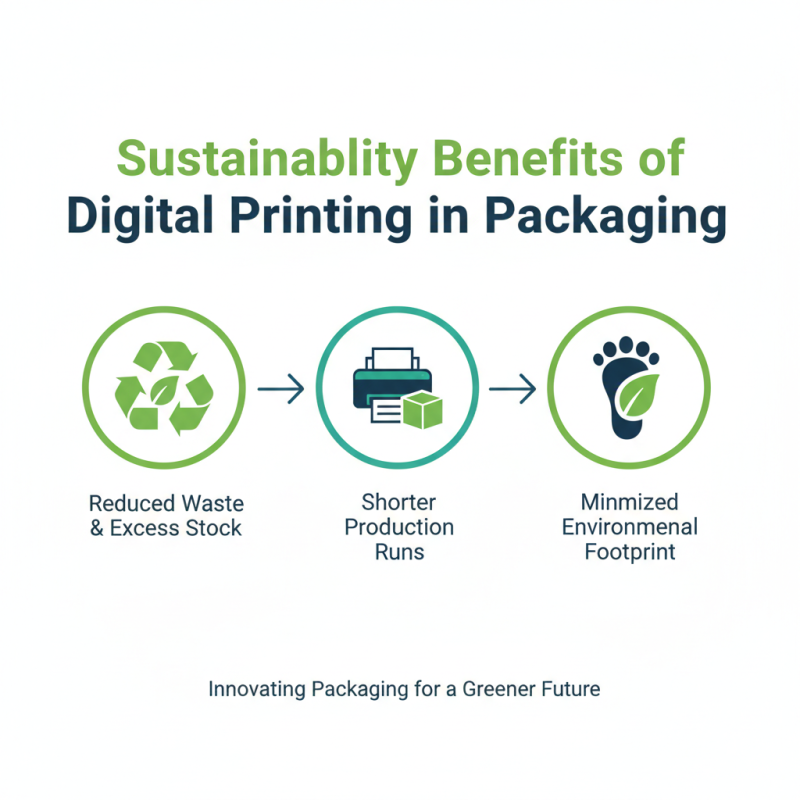
Sustainability Benefits of Digital Printing in Packaging Practices
Digital printing is reshaping the packaging industry, particularly in sustainability. Traditional packaging often relies on large runs and excessive waste. In contrast, digital printing allows for shorter production runs, reducing excess stock. This flexibility is crucial for brands aiming to minimize their environmental footprint.
Moreover, digital printing uses water-based inks, which are less harmful than conventional solvents. This shift promotes cleaner production practices. However, it’s important to note that not all digital prints are created equal. Some materials may still pose environmental challenges. Brands must choose carefully to ensure their packaging is truly sustainable.
On-demand printing creates opportunities for personalized packaging. This approach reduces material waste, as companies can print exactly what they need. Yet, it raises questions about the lifecycle of packaging. Are consumers ready to embrace change? Understanding the full impact of their choices remains essential.
Future Trends: The Role of Technology in Digital Printing Packaging
The rise of digital printing packaging has transformed the packaging industry. Technology is the heartbeat of this change. According to a recent report, the global digital printing market is expected to grow by 12% annually through 2025. This growth is driven by advancements in printing technologies that allow for quicker turnaround times and reduced waste.
Digital printing enables custom designs at a low volume. Brands can print smaller batches without incurring high costs. This flexibility can enhance personalization, which is increasingly important to consumers. A study noted that 70% of consumers prefer personalized experiences. Yet, this pushes some companies to adapt rapidly without having the right tools.
Adjusting to technology is not seamless. Some businesses face challenges in integrating digital solutions. Issues with quality control and supply chain management often arise. To meet consumer expectations, companies must refine these processes continuously. Feedback loops become vital in this evolving landscape, as maintaining quality is challenging but necessary.