Top 10 Tips for Sourcing Casting Car Parts Effectively
Sourcing Casting Car Parts is a crucial task for any automotive professional. It requires a blend of knowledge, experience, and strategy to ensure quality and reliability. The market for casting car parts is vast, yet filled with potential pitfalls. Finding the right suppliers or manufacturers can be overwhelming for newcomers and experts alike.
Understanding the nuances of casting car parts can make all the difference. Each part carries specific requirements, from material selection to manufacturing processes. A wrong choice can lead to delays, costs, or even unsafe components. They say "you get what you pay for," and when it comes to casting car parts, this adage holds significant weight.
Many tend to overlook due diligence in this area, often resulting in mistakes. It’s essential to reflect on past sourcing experiences and learn from them. Adapting to industry standards and best practices provides an edge in maintaining quality. In a competitive landscape, those who effectively implement sound sourcing strategies will stand out. The following tips will guide you in navigating the challenges of sourcing casting car parts.
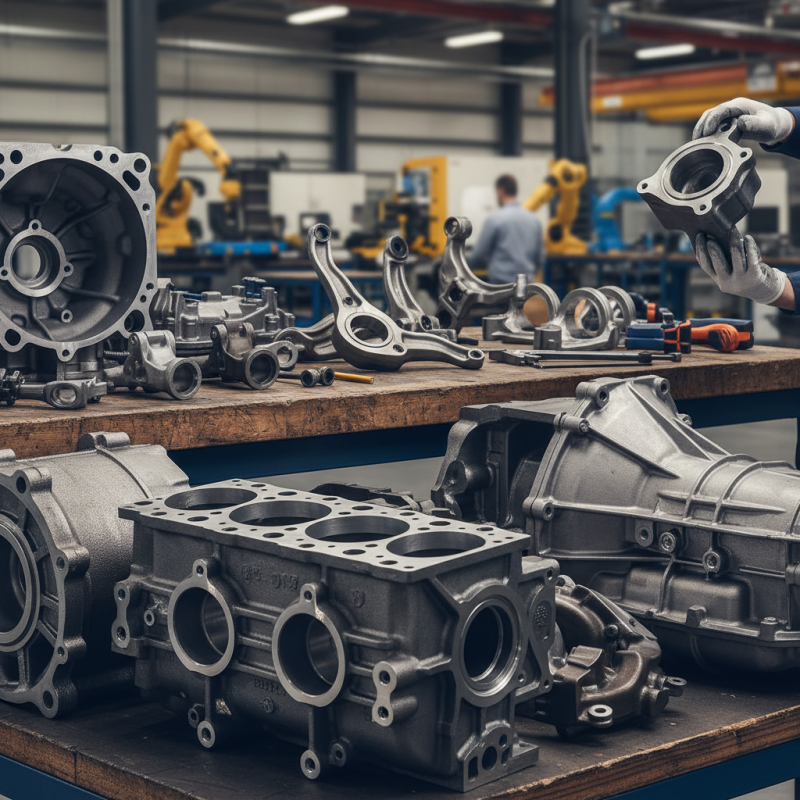
Identifying Reliable Suppliers for Casting Car Parts
Identifying reliable suppliers for casting car parts is crucial. According to a 2022 market report by Grand View Research, the automotive casting market reached USD 26.33 billion and is expected to grow at a CAGR of 6.3% until 2030. This growth emphasizes the importance of sourcing accurately. Choosing the right supplier can significantly affect production quality.
Assess suppliers based on their certifications and industry credentials. Look for ISO certification, as it demonstrates adherence to international quality standards. Additionally, utilize platforms like ThomasNet or Alibaba for verified supplier listings. Reviews and testimonials offer insight into past performance. Researching their financial stability is equally important. A supplier's reliability is often tied to their ability to deliver consistently.
It’s essential to assess the material quality they use. Request samples to evaluate the durability and finish of the casting. Many suppliers may promise low costs but compromise on quality. Poor-quality parts can lead to recalls, impacting brand reputation and profitability. Finding a balance between cost and quality is critical. Regular audits of suppliers can help maintain standards and identify potential issues before they escalate.
Evaluating Material Quality and Specifications for Casting
When sourcing casting car parts, evaluating material quality is crucial. Quality affects durability and performance. Look for materials that meet industry standards. Always request certifications and test reports to ensure compliance. For instance, consider the alloy composition of cast iron or aluminum, as this affects strength and weight.
A frequently overlooked aspect is how materials behave under stress. Test samples under real-world conditions to see how they hold up. Pay attention to the casting process too; defects can arise from poor techniques. Research foundry practices to assess their reliability. Check reviews and seek feedback from others in the industry.
Performing these checks can be a time-consuming process. Yet, investing time in validation can save costs in the long run. Rushing into a decision may lead to sourcing subpar parts. Reflection is important; evaluate past projects to understand how material quality could have improved outcomes. Are you willing to sacrifice quality for a lower price?
Top 10 Tips for Sourcing Casting Car Parts Effectively
Understanding Cost Structures in Casting Car Parts Procurement
Understanding cost structures in casting car parts procurement is crucial for businesses. Many factors contribute to the overall expenses. Material costs often fluctuate, impacting budgeting and planning. The choice of raw materials can affect not only quality but also pricing. It's essential to gather quotes from multiple suppliers to get an accurate understanding of these costs.
Labor costs play a significant role in casting. Skilled labor is necessary for quality assurance. However, labor markets vary by region. This variability can lead to unexpected costs. Businesses must consider these differences when sourcing. Moreover, the cost of overheads, such as utilities and equipment maintenance, can add up. Tracking these expenses enables better financial control.
Moreover, logistics and shipping should not be overlooked. Transporting cast parts requires careful planning. Delays can lead to increased costs and production setbacks. It's important to establish good relationships with logistics partners. A reliable logistics partner can save time and money. Reflecting on these factors can reveal areas for improvement in procurement strategies. Sourcing casting car parts effectively requires thorough analysis and continuous adjustments to minimize costs and enhance efficiency.
Negotiating Contracts and Terms with Casting Manufacturers
Negotiating contracts with casting manufacturers is crucial for sourcing automotive parts. Many buyers overlook the complexities involved in these negotiations. According to a report from the International Organization for Standards (ISO), 30% of sourcing failures stem from poor contract terms. Understanding your supplier's capabilities is essential. Clarifying product specifications and production timelines can prevent future disputes.
Be prepared to discuss quality control measures. A survey by the Society of Automotive Engineers (SAE) found that over 25% of sourcing errors are related to inadequate quality assurance. Consider establishing benchmarks in your contract. This ensures that manufacturers adhere to industry standards. Aim for transparency in audits and inspections within your agreements.
Lastly, focus on price negotiation without undermining quality. The average cost increase in projects due to poor initial agreements is reported at 15% by industry analysts. Evaluate total costs, not just unit prices. Building a solid relationship with manufacturers can lead to better terms in the long run. Recognizing these elements can lead to more successful sourcing strategies and higher-quality casting parts.
Implementing Quality Control Processes in Sourcing Activities
Quality control processes are essential in sourcing casting car parts effectively. These steps help ensure that the parts meet the necessary specifications and standards. Establishing a reliable checklist can aid in monitoring suppliers' production quality. Regular inspections can also help catch issues early in the production cycle. A structured approach to quality control reduces the risk of defects that could impact performance.
When sourcing, ensure there is clear communication with suppliers. Provide them detailed requirements for each part you need. It's crucial to verify certifications and compliance with industry standards. Tips include visiting the production site for firsthand observations. This not only reinforces relationships but also offers insights into their processes. Keep records of these visits to improve future sourcing strategies.
Utilizing feedback mechanisms is another effective strategy. Encourage regular feedback from your quality control team about suppliers. This promotes accountability and iterative improvements. Be open to adjusting your quality standards based on gathered data. Constant evaluation leads to better decision-making in sourcing activities. This flexible and proactive approach fosters long-term partnerships in the industry.
Top 10 Tips for Sourcing Casting Car Parts Effectively - Implementing Quality Control Processes in Sourcing Activities
| Tip Number | Tip | Description | Quality Control Process |
| 1 | Define Specifications | Ensure clear and precise technical specifications to avoid misunderstandings. | Draft a detailed specification sheet for suppliers. |
| 2 | Evaluate Suppliers | Perform thorough evaluations to assess the financial stability and capability of potential suppliers. | Use a scorecard system for supplier evaluation. |
| 3 | Request Samples | Always request samples to evaluate quality before placing bulk orders. | Establish a sample testing protocol. |
| 4 | Check Certifications | Ensure suppliers possess relevant quality certifications such as ISO or TS standards. | Maintain a log of supplier certifications. |
| 5 | Communicate Effectively | Maintain open lines of communication to ensure transparency and quick resolution of issues. | Regular feedback meetings with suppliers. |
| 6 | Conduct Audits | Perform on-site audits to assess manufacturing processes and quality controls. | Schedule periodic supplier audits. |
| 7 | Establish Lead Times | Agree on realistic lead times to prevent supply chain disruptions. | Create a lead time management plan. |
| 8 | Implement Continuous Improvement | Promote a culture of continuous improvement in processes and products. | Facilitate improvement workshops with suppliers. |
| 9 | Utilize Technology | Adopt technologies for better tracking and management of sourcing activities. | Implement a sourcing management software. |
| 10 | Review and Adapt | Regularly review sourcing strategies and adapt them based on market trends. | Conduct quarterly sourcing strategy reviews. |