2026 How to Optimize Retail Display Packaging for Maximum Impact?
Retail display packaging plays a crucial role in attracting customers and influencing buying decisions. In today’s competitive market, effective display packaging can set a product apart. It should not only catch the eye but also communicate the brand’s message clearly.
The design of retail display packaging must be strategic. Colors, shapes, and materials should harmonize to create an appealing presentation. Brands need to consider how their packaging reflects their identity. This approach fosters trust and encourages customers to make a purchase.
However, achieving optimal impact can be challenging. Many brands overlook the importance of customer feedback. Understanding what resonates with consumers is essential. Engaging in trial and error can lead to improvements. Retail display packaging should evolve with consumer preferences to remain relevant and effective.
Understanding the Importance of Retail Display Packaging in Marketing
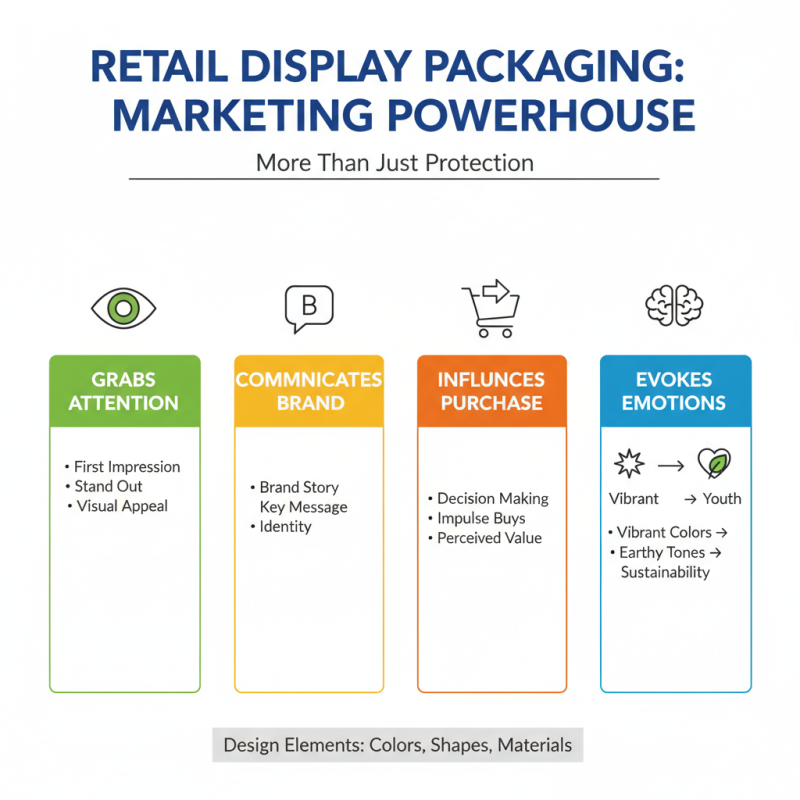
Retail display packaging plays a vital role in marketing strategies. It is not just about protecting the product. A well-designed package grabs attention, communicates the brand message, and influences purchasing decisions. Colors, shapes, and materials can evoke emotions. For example, vibrant colors may attract younger consumers. In contrast, earthy tones can appeal to those seeking sustainability.
Understanding target demographics is crucial. Packaging should resonate with the intended audience. Research shows that consumers often make snap decisions based on packaging within seconds. Visual appeal can outweigh the product's price or quality in such moments. Yet, achieving this balance is challenging. Brands sometimes overlook the importance of functional aspects like usability and ease of opening.
Clarity is equally important. Text should be readable, and information should be concise. If packaging feels overwhelming or cluttered, it may turn potential buyers away. Feedback from consumers can help brands refine their approach. Trial and error can lead to better solutions. The right display packaging creates a lasting impression, driving sales and enhancing brand loyalty.
Key Elements of Effective Retail Display Packaging Design
Retail display packaging plays a crucial role in attracting customers. Studies show that product presentation can influence purchasing decisions by up to 70%. Effective packaging design leverages colors, shapes, and materials to create visual appeal. Bold colors can grab attention, while eco-friendly materials resonate with environmentally conscious shoppers.
Incorporating clear messaging is also essential. Research indicates that consumers prefer direct communication. Labels that provide essential information quickly can enhance product visibility. Furthermore, unique shapes can differentiate products on the shelf. However, striking a balance between aesthetics and functionality remains challenging. Innovative designs can sometimes compromise usability, leading to consumer frustration.
Effective retail display packaging is not just about looks. It must encapsulate the brand's identity as well. A well-designed package can tell a story about the product, creating deeper connections with consumers. Yet, some brands still overlook this aspect, focusing solely on visual appeal. Reflecting on these elements can lead to more impactful retail packaging strategies.
Color Psychology and Its Impact on Consumer Behavior
Colors play a vital role in retail display packaging. They influence consumer emotions and decisions. For instance, red can evoke excitement, while blue often provides a sense of trust. Packaging that uses bold colors may attract shoppers' immediate attention. However, overusing bright colors can overwhelm or confuse consumers. It's essential to strike the right balance.
Understanding color psychology requires expertise. Different colors can appeal to various demographics. Younger consumers might respond positively to vibrant hues. In contrast, older audiences may prefer more subdued and classic shades. Retailers should consider their target audience carefully. Overlooking this detail can lead to mismatches that reduce sales. Each color should align with the brand’s message and the product's essence.
Using color strategically is not just about aesthetics. It can create a memorable experience. Good packaging should tell a story. Yet, the impact of color can be unpredictable. What works in one market may not resonate in another. Continuous testing and feedback are crucial for success. Retailers must remain adaptable and open to change.
2026 How to Optimize Retail Display Packaging for Maximum Impact? - Color Psychology and Its Impact on Consumer Behavior
| Color |
Emotional Impact |
Common Uses in Packaging |
Consumer Response (%) |
| Red |
Excitement, Energy |
Food, Beverages |
65% |
| Blue |
Trust, Dependability |
Technology, Health |
70% |
| Green |
Calm, Growth |
Organic, Eco-friendly |
80% |
| Yellow |
Happiness, Positivity |
Children’s Products, Snacks |
60% |
| Purple |
Luxury, Creativity |
Beauty, High-End Goods |
55% |
| Black |
Sleek, Sophistication |
Luxury, Fashion |
75% |
Using Sustainability in Packaging to Attract Eco-Conscious Shoppers
In the modern retail landscape, sustainable packaging plays a crucial role in attracting eco-conscious shoppers. Many consumers now prefer products with eco-friendly packaging. This preference reflects a growing awareness of environmental issues. Retail displays that highlight sustainability can create a powerful impression.
Using recycled materials can enhance packaging appeal. Bright colors and clear messaging can also draw attention. However, brands often face challenges. Balancing aesthetics and functionality is tough. Some may prioritize visual appeal over sustainable practices. This contradiction can weaken customer trust. It is essential to communicate the sustainable message clearly. Simple phrases on packaging can resonate strongly with consumers.
Innovative designs can further emphasize sustainability. For example, minimalist packaging reduces waste and cost. Yet, some retailers may hesitate to adopt these changes. Habit and tradition can hold businesses back. Reflecting on these practices is vital. Evaluating the impact of packaging choices can drive positive change. Sustainable packaging not only benefits the planet but also meets the desires of today’s shoppers.
Strategies for Testing and Iterating Retail Display Packaging Concepts
In the competitive realm of retail, display packaging can make or break a product's success. Testing and iterating on packaging concepts is essential. It allows retailers to understand customer preferences and enhance visual appeal. Use surveys and focus groups to gather meaningful feedback from consumers. Collect data on what draws their attention and what turns them away.
Prototyping is another effective strategy. Create multiple design iterations and test them in-store. Observe customer behavior closely. Are they engaging with the packaging? What elements attract their attention? Sometimes, minor adjustments lead to significant improvements. For example, alterations in color or material might enhance perceived value.
However, it’s crucial to remain open to criticism. Some concepts might not resonate as expected. Reflect on the feedback and be willing to pivot. Consider working with designers who have expertise in retail packaging. Their insights can guide more effective choices. Remember, the journey of packaging optimization is ongoing. Embrace the learning curve. It’s about finding what truly connects with your audience.
Optimizing Retail Display Packaging for Maximum Impact