Top Retail Display Packaging Trends Transforming the Shopping Experience?
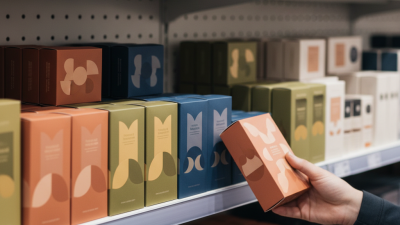
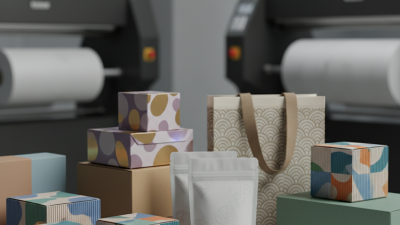
Retail display packaging plays a crucial role in shaping the shopping experience. As consumers navigate stores, the visual appeal of packaging greatly influences their purchasing decisions. Trends in retail display packaging are evolving rapidly, adapting to the needs of modern shoppers. Innovative designs and sustainable materials attract attention on crowded shelves.
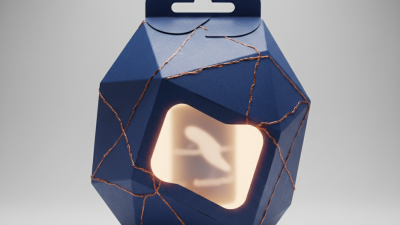
The integration of technology into retail display packaging is noteworthy. For instance, some brands use augmented reality to engage customers. This interaction creates a memorable experience that promotes brand loyalty. Packaging design must reflect not only aesthetic appeal but also functionality. A well-designed package enhances usability but can sometimes miss the mark on sustainability.
Challenges persist in balancing creativity with practicality. Retailers often struggle to meet environmental standards while delivering eye-catching solutions. The pressure to stand out in a competitive market can lead to designs that overlook key consumer needs. Thus, ongoing reflection and adaptation are essential for brands aiming to elevate their retail display packaging strategies.
Emergence of Eco-Friendly Packaging in Retail Displays
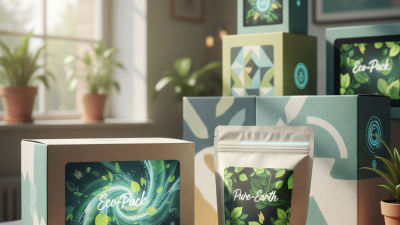
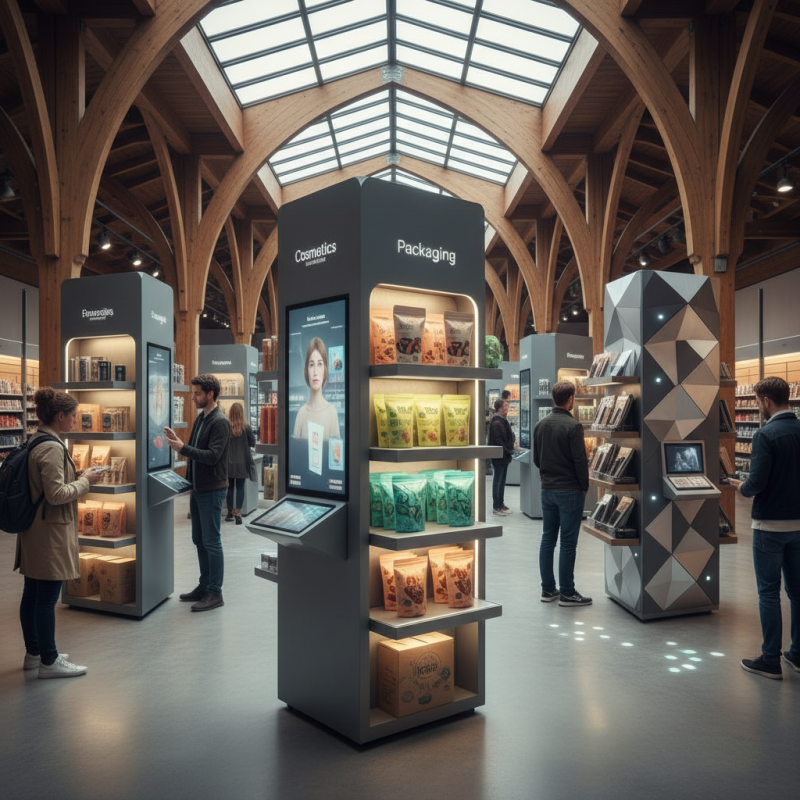
The retail landscape is undergoing a profound shift, particularly with the rise of eco-friendly packaging. According to a recent report by Smithers Pira, sustainable packaging is expected to reach a market value of $400 billion by 2027. This trend reflects changing consumer preferences. More shoppers are looking for brands that emphasize sustainability.
A study from Nielsen found that 73% of millennials are willing to pay more for eco-friendly products. As a result, retailers are redesigning packaging to minimize environmental impact. Recyclable materials and biodegradable options are becoming commonplace. Retailers are not only improving their brand image but also addressing customer concerns about waste.
Yet, challenges remain. Not all eco-friendly materials perform well in retail displays. Some products may not stand out on shelves. There’s a balance to strike between visibility and sustainability. Retailers must experiment with designs while ensuring functionality. This ongoing transition requires reflection and adaptability in design strategies. The journey toward eco-conscious retail displays is still evolving, revealing areas for growth and improvement.
Top Retail Display Packaging Trends Transforming the Shopping Experience - Emergence of Eco-Friendly Packaging in Retail Displays
| Trend |
Description |
Impact on Shopping Experience |
| Sustainable Materials |
Utilization of recyclable and biodegradable materials in packaging. |
Increased consumer trust and loyalty towards brands that prioritize sustainability. |
| Minimalist Design |
Focus on simple and clean packaging designs to reduce waste. |
Enhanced visual appeal attracting modern consumers. |
| Smart Packaging |
Incorporation of technology (QR codes, NFC) for better consumer interaction. |
Improved customer engagement and information accessibility. |
| Customizable Packaging |
Offering personalized packaging options for consumers. |
Creates a unique shopping experience that enhances customer connection to products. |
| Returnable Packaging |
Use of packaging designed for multiple uses, encouraging returns. |
Fosters a circular economy and reduces environmental impact. |
Impact of Augmented Reality on Consumer Engagement
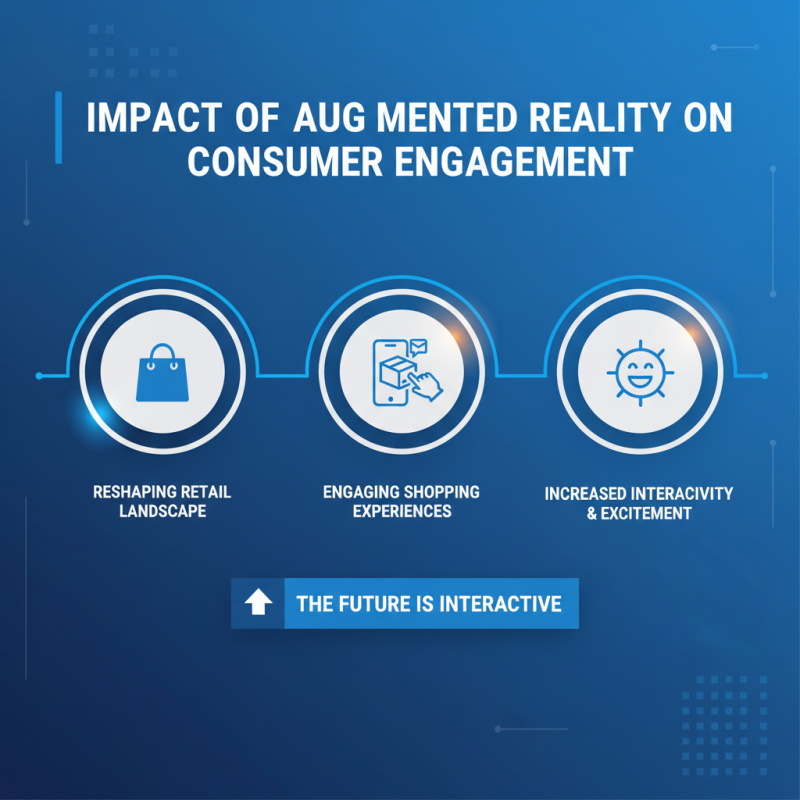
The rise of augmented reality (AR) is reshaping the retail landscape. Retailers are increasingly using AR to create engaging experiences. Imagine walking into a store, pointing your device at a product, and instantly seeing detailed information pop up. This technology infuses excitement and interactivity into the shopping process.
AR not only captures attention but also enhances consumer engagement. Shoppers can visualize how a product fits into their lives. For example, virtual trials of furniture in your home or makeup on your face can make significant differences in purchasing decisions. These features provide a fresh, immersive approach to shopping that can attract more customers.
However, not every AR experience is flawless. Some users may encounter technical glitches or find certain applications confusing. Retailers must refine these experiences to avoid frustrating customers. Balancing innovation with user-friendliness is essential for success. As AR continues to evolve, retailers face both exciting opportunities and critical challenges in harnessing this technology effectively.
The Role of Personalization in Retail Packaging Designs
Personalization in retail packaging is changing how we shop. Customers want more than just products; they crave experiences that resonate with them. Personalized packaging goes beyond a name or initials. It reflects values, emotions, and individuality.
Consider using local materials or artworks reflecting community culture. This adds a unique touch. Think about incorporating user feedback to evolve designs. Listening to customers shows that their opinions matter. But remember, personalization can be tricky. Overcustomizing may confuse or overwhelm shoppers. Strive for balance.
Tips: Keep designs simple yet impactful. Use vibrant colors and clear fonts. Ensure your packaging is functional and user-friendly. Strike a chord with your audience, but do not forget your brand identity. Remember to revisit designs regularly and adjust based on consumer preferences. This iterative process fosters loyalty and keeps your packaging relevant.
Top Retail Display Packaging Trends Transforming the Shopping Experience
This bar chart illustrates the popularity of various retail display packaging trends. The data reflects the percentage of retailers adopting these trends over the past year.
Data-Driven Insights: The Influence of Color and Design Trends
The influence of color and design in retail display packaging is profound. Research indicates that 85% of shoppers make purchasing decisions primarily based on color. This statistic highlights how brands leverage color psychology to attract consumers. For example, warm colors can evoke excitement and urgency, prompting impulsive buys. Conversely, cooler tones often create a sense of calm and trust. Understanding these nuances shapes the shopping experience significantly.
Moreover, minimalistic design trends are gaining traction. According to industry reports, brands using simple, clean designs see up to a 50% increase in consumer engagement. This approach can reflect clarity and sophistication, attracting discerning shoppers. However, some brands struggle to adapt. A cluttered package can confuse, detracting from the message. Balancing aesthetics and information remains a challenge for many.
Data from market studies shows that 70% of consumers believe packaging impacts their perception of product quality. As a result, brands must consider their audience. Vibrant designs may appeal to younger shoppers, while older consumers might prefer understated elegance. The evolving landscape suggests a need for continuous innovation in packaging design. Brands must keep reevaluating their strategies to stay relevant in this competitive space.
Shift Towards Minimalist Packaging and Its Effect on Customer Experience
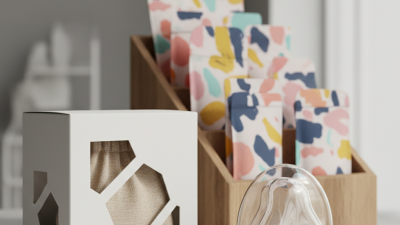
The shift towards minimalist packaging is reshaping the shopping experience in exciting ways. Simple designs draw attention without overwhelming consumers. Bold typography and subtle colors can create a calm aesthetic. Shoppers appreciate how less clutter leads to a more focused choice. Streamlined packaging often highlights product quality. Consumers feel more connected to brands that embrace this approach.
However, this trend isn’t without its challenges. Some products may appear too simplistic, risking ambiguity about their function. It's essential to balance clarity with minimalism. Effective communication of benefits can sometimes get lost in translation. Packaging must still tell a story while being visually appealing. As brands navigate this new territory, they must remain aware of consumer perceptions.
Ultimately, minimalist packaging aims to enhance the shopping experience. Consumers seek authenticity and sincerity in products. Even simple designs need to create an emotional connection. As businesses explore these trends, they should remember the importance of engagement. Aesthetics matter, but functionality shouldn’t be sacrificed in the process.