Top 10 Short Run Packaging Solutions in China You Should Know About
In the rapidly evolving world of packaging, "short run packaging" has emerged as a vital solution for businesses in China. It caters to diverse needs, from custom branding to limited product launches. This flexibility allows companies to test markets without committing to large quantities. It's not just about cost efficiency; it’s also about meeting specific consumer demands swiftly.
China’s market is ripe with opportunities. Businesses look for innovative and efficient options. Short run packaging solutions provide that agility. Each option comes with unique benefits, from eco-friendliness to enhanced aesthetic appeal. However, not all solutions are perfect. Companies must reflect on their specific requirements and the potential limitations of each provider.
Navigating through these packaging choices can be overwhelming. Understanding the available options enhances decision-making. With the right guidance, businesses can leverage short run packaging effectively. This article highlights the top ten solutions currently shaping the market. These insights are critical for those wanting to stay competitive and relevant in a dynamic landscape.
Top Features of Short Run Packaging Solutions in China
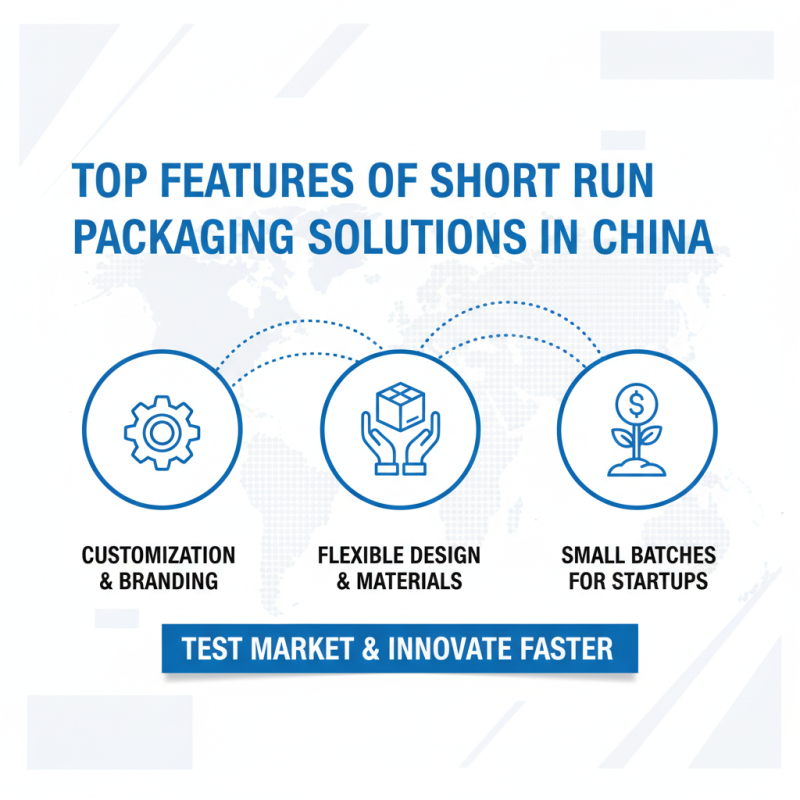
When exploring short run packaging solutions in China, several features stand out. Customization is a key aspect. Businesses can tailor their packaging to meet specific branding needs. This flexibility allows companies to connect better with their target audience. Small production runs support startups and small businesses looking to test the market.
Another notable feature is speed. The production process for short runs is typically faster than traditional methods. This quick turnaround time can be crucial for businesses aiming to launch new products rapidly. Furthermore, short run packaging offers cost-efficiency. Companies save money by printing in smaller quantities. It reduces waste and minimizes the risk of overproduction.
Tip: Always assess your packaging needs before making decisions. Think about branding and functionality.
Quality is vital in short run packaging. Customers expect a premium feel, even in smaller quantities. Sometimes, the quality of materials used may not match expectations. Ensuring that standards are met is essential for gaining customer trust.
Tip: Seek reliable partners who prioritize quality and sustainability. They can provide insights and help refine your packaging strategy.
Key Industries Benefiting from Short Run Packaging
In today’s fast-paced market, short run packaging solutions are increasingly vital. Various industries significantly benefit from these customized services. The food industry, for instance, often requires limited batch runs for new product testing. These quick solutions enable companies to gain consumer feedback swiftly. Flexibility is essential here, as preferences can shift rapidly.
Cosmetics manufacturers also leverage short run packaging. They frequently launch seasonal products or limited editions. This approach allows them to captivate consumers’ attention. However, striking the right balance between quantity and quality can be challenging. While some may opt for minimalistic designs, others might focus on intricate details. Each decision impacts overall reception.
Pharmaceutical industries are no exception. They need precise labeling and packaging for small batches of specialized medications. Any mistake here can lead to serious repercussions. Quality control becomes paramount. Businesses must invest in reliable packaging solutions to ensure safety. Adapting to these diverse needs requires expertise and innovation, highlighting the importance of agile supply chains.
Top 10 Short Run Packaging Solutions in China You Should Know About
| Rank |
Packaging Solution |
Key Industry |
Benefits |
| 1 |
Digital Printing |
Food & Beverage |
High customization, quick turnarounds |
| 2 |
Flexible Packaging |
Snacks & Confectionery |
Lightweight, cost-effective |
| 3 |
Eco-Friendly Packaging |
Cosmetics |
Sustainable, brand image enhancement |
| 4 |
Custom Boxes |
E-commerce |
Personalized branding, protection |
| 5 |
Shrink Sleeves |
Beverages |
Full-color graphics, form-fitting |
| 6 |
Pouches |
Health Supplements |
Convenience, shelf stability |
| 7 |
Labels |
Pharmaceuticals |
Compliance, branding |
| 8 |
In-Mold Labeling |
Household Products |
Durability, integrated design |
| 9 |
Paperboard Packaging |
Luxury Goods |
Premium image, versatile design |
| 10 |
Clamshells |
Electronics |
Visibility, security |
Comparative Analysis of Popular Packaging Materials
In the realm of short run packaging, understanding the materials available is crucial. A recent report by Smithers Pira states that the global packaging market is expected to reach $1 trillion by 2025. Within this, China stands out as a major player. The demand for custom packaging solutions has surged, leading to innovative materials being developed.
Paper-based materials remain popular due to their sustainability. According to a study by Statista, around 66% of consumers in China prefer eco-friendly packaging. This offers brands a chance to connect with environmentally conscious customers. However, challenges exist. While these materials are biodegradable, they may lack durability compared to plastics. The trade-off between sustainability and product protection is a significant issue for many businesses.
Plastic packaging is versatile but increasingly scrutinized due to environmental impacts. A report by the International Energy Agency highlights that plastic production accounts for approximately 3% of global carbon emissions. As brands explore options, they often face a dilemma. Should they prioritize functionality or environmental responsibility? Finding a balance is essential, but many companies still rely heavily on traditional plastic options, showing a need for improvement in material choices.
Top 10 Short Run Packaging Solutions in China
Innovative Technologies in Short Run Packaging
The landscape of short run packaging in China is evolving rapidly. Innovative technologies are driving change, offering businesses new ways to meet unique needs. Digital printing is one notable advancement. It allows for high-quality designs with quick turnaround times. Brands can create custom packaging without the hefty setup costs of traditional methods. This flexibility means businesses can cater to specific consumer demands effectively.
Another exciting development is the use of sustainable materials. Eco-friendly packaging solutions are gaining traction. These materials not only appeal to environmentally conscious consumers but also help brands show their commitment to sustainability. While the availability of sustainable options is increasing, ensuring their durability and cost-effectiveness remains a challenge.
Automation technologies also contribute to efficiency. Automated processes can reduce labor costs and minimize errors in packaging. However, the initial investment can be daunting for smaller businesses. Finding the right balance between automation and maintaining quality can be tricky. Entrepreneurs must weigh the benefits against potential risks. The landscape is filled with opportunities, but navigating it requires careful consideration.
Sustainability Trends in China's Short Run Packaging Sector
Sustainability is reshaping China’s short run packaging sector. Recent studies indicate that approximately
70% of consumers prefer eco-friendly packaging. Brands are eager to meet this demand.
They are adopting biodegradable materials and minimizing waste. Yet, challenges remain in sourcing these sustainable options.
A report from the China Packaging Federation highlights that
42% of manufacturers still rely heavily on traditional materials. This raises questions about real commitment to sustainability.
Many companies recognize the importance of eco-innovation but face budget constraints.
Balancing cost and environmental impact is a persistent issue.
The rise of digital printing has influenced this landscape.
On-demand production reduces waste significantly.
According to recent data, digital techniques can cut material wastage by up to
30%. Still, investment in technology is often slow.
The push for sustainability is clear. However, many companies must overcome barriers to fully embrace it.