Top Trends in Snacks Packaging Solutions for Innovative Branding?
In the competitive world of snacks packaging, innovation is key. Brands strive to stand out on crowded shelves. Unique packaging solutions can capture consumers' attention and boost sales.
Recent trends reveal exciting changes. Sustainable materials are becoming popular. Brands now focus on eco-friendly options. Clear messaging and vibrant designs also play crucial roles. However, despite the advancements, challenges remain. Not every packaging design resonates with all demographics.
Creating the perfect snacks packaging requires careful thought. Some designs may look great but lack functionality. Others might focus too heavily on sustainability while neglecting visual appeal. Balancing these elements is not easy. As brands navigate this landscape, they must reflect on what truly connects with consumers.
Top Trends in Snack Packaging Solutions for Brand Innovation
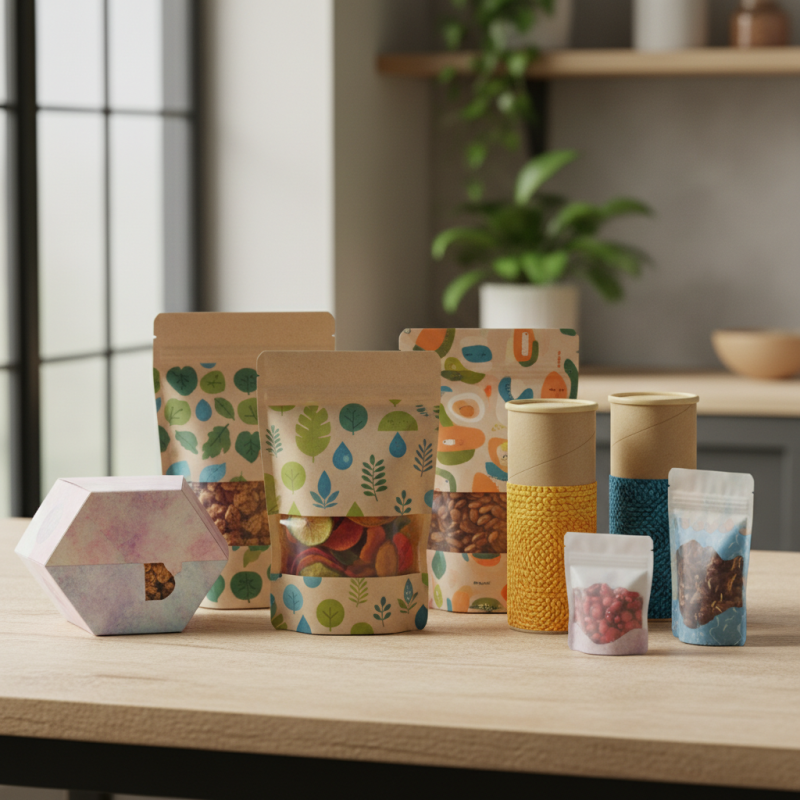
In the competitive snack market, packaging plays a crucial role in brand innovation. Recent reports indicate that sustainable packaging is trending, capturing consumer attention. A study found that 72% of consumers prefer brands using eco-friendly materials. This shift highlights the need for innovative solutions that balance aesthetics and environmental responsibility.
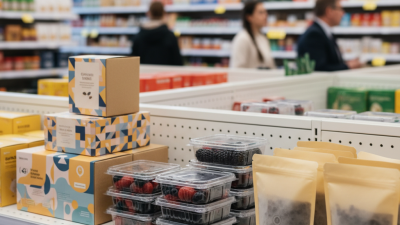
At the same time, bold designs are making waves. Unique shapes and vibrant colors attract customers and create memorable experiences. Research shows that products with eye-catching packaging have a 20% higher chance of being purchased. Brands are starting to experiment with transparent elements and interactive features. These ideas can enhance customer engagement, but not all approaches resonate with target audiences.
Quality is another area for reflection. While appealing packaging can draw in buyers, it must protect the product inside. Data suggests that 40% of consumers would not repurchase if the snack packaging compromised product freshness. Balancing style with function is crucial for long-term success. Brands must think critically about their packaging strategies to truly connect with their customers.
Sustainable Materials: Driving Eco-Friendly Snack Packaging Choices
Sustainable packaging in the snack industry is more than a trend; it's a necessity. According to a recent report by Smithers Pira, the global market for sustainable packaging is expected to reach $500 billion by 2024. Consumers are increasingly demanding eco-friendly options. They favor products that reflect their values and concern for the environment.
Biodegradable materials are gaining traction. Many manufacturers are exploring plant-based plastics and recycled paper. These materials reduce landfill contributions, aligning with consumer expectations. However, the challenge lies in balancing durability and cost-effectiveness. Some snacks still require traditional materials for preservation. This presents a gap between innovation and practicality.
Interestingly, data shows that 73% of consumers are willing to pay more for sustainable packaging. Yet, only 18% can easily find eco-friendly options. Brands must bridge this gap through clear communication. Proper labeling and transparency are critical. Many snack producers still underestimate the power of sustainable branding. They need to commit to effective solutions rather than just surface-level changes.
Smart Packaging: Integrating Technology for Enhanced Consumer Engagement
In recent years, smart packaging has transformed how brands engage with consumers. The increasing adoption of technology in packaging is changing the snack industry. According to a report by Smithers Pira, the global smart packaging market is set to grow to $23 billion by 2027. This growth points to a shift in consumer expectations.
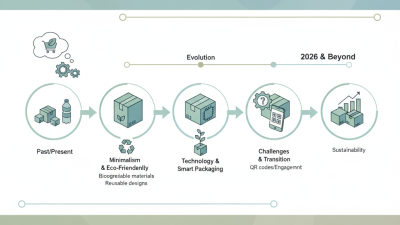
Interactive features are now common. QR codes provide product information at consumers' fingertips. NFC technology turns packaging into a touchpoint for digital interaction. These tools create a unique experience. Some brands experiment with augmented reality to enhance product storytelling. However, not all brands leverage these tools effectively.
Despite the potential, challenges remain. Many consumers are not fully engaged. A study by Nielsen revealed that only 20% of consumers have interacted with smart packaging. This indicates a need for better strategies. Brands must focus on clarity and accessibility in technology. Simply adding a tech feature does not guarantee success. Thoughtful integration enhances the brand-consumer relationship, driving loyalty.
Personalization in Snack Packaging: Tailoring Experiences for Customer Appeal
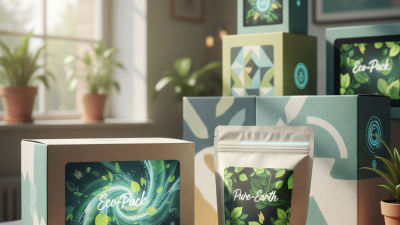
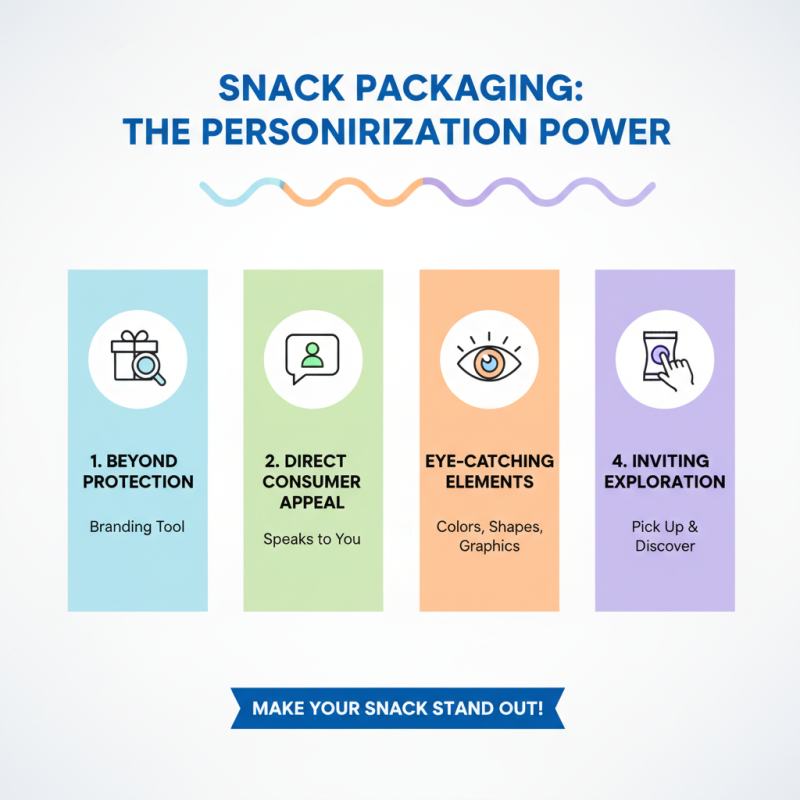
In the competitive world of snacks, personalization has taken center stage. Packaging is no longer just a protective layer; it is a powerful branding tool. Companies are now designing packaging that speaks directly to the consumer. Bright colors, unique shapes, and eye-catching graphics create an immediate connection. These elements invite customers to pick up the product and explore what lies within.
Many brands are experimenting with customizable packaging. This trend allows consumers to personalize their choices, whether through names, photos, or unique messages. It fosters a sense of ownership. Yet, achieving the perfect balance in personalization can be tricky. Some efforts may come off as gimmicky rather than genuine. Brands need to deeply understand their audience to create meaningful experiences.
Consumers desire authenticity and relatability. They appreciate when brands reflect values that resonate with them. However, focusing too much on trends can lead to superficial solutions. It's crucial to ensure that packaging tells a story rather than just follows a fad. Personalization should evoke emotions and establish connections. Thoughtful design can elevate a simple snack into an experience that stays memorable.
Minimalism in Design: The Impact of Clean Aesthetics on Brand Perception
Minimalism in snack packaging has gained traction. Clean aesthetics focus on simple lines and muted colors. This approach creates a calming effect. It allows brands to stand out without overwhelming consumers. In a crowded market, less truly can be more. Simplified designs help convey clarity.
When designing packages, consider these tips. Use limited color palettes. Stick to one or two primary colors. This helps maintain visual coherence. Choose legible fonts for easy reading. Overly intricate designs can confuse. Aim for a straightforward message that connects with consumers.
Emphasize sustainable materials, too. Eco-friendly choices resonate well. However, transitioning can be challenging. Brands might face cost issues or sourcing difficulties. Measuring the impact of design changes is essential. Reflect on how each choice influences brand perception. Minimalism requires deliberate thought, but it can yield positive results.