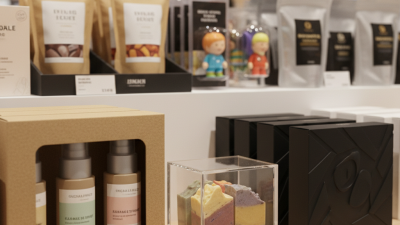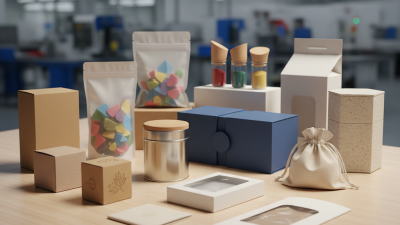
Global buyers are entering 2026 with higher expectations for memorable, practical, and responsible product presentation. Personalized packaging now influences more than shelf appeal. It can strengthen brand recognition, improve unboxing experiences, and support clearer product communication across different markets. Yet attractive artwork cannot compensate for weak materials, inaccurate dimensions, or unreliable delivery.
This guide explores the best personalized packaging types for international purchasing teams, emerging brands, and established retailers. It considers custom mailer boxes, printed cartons, rigid gift boxes, flexible pouches, paper tubes, and reusable packaging formats. Each option brings different strengths. A kraft mailer may reduce shipping weight, while a rigid box can create a premium feel but require more storage space. Small details matter, such as tear strips, protective inserts, readable labels, and moisture-resistant finishes.
Real packaging decisions depend on testing, not assumptions. Experienced buyers should review samples, compression results, color consistency, and closure performance before placing large orders. Material claims also need careful verification. “Eco-friendly” is not a complete specification. Recycled content, recyclability, coatings, inks, and local disposal systems all deserve attention. Regulations and labeling expectations vary between destinations, so professional review remains important.
Personalization has limits.
A highly decorated package may increase cost, production time, and waste. Some customers may prefer simpler designs or reusable formats. The strongest choice balances brand character with protection, accessibility, compliance, and realistic logistics. This overview offers a practical starting point, while acknowledging that every product, market, and supply chain requires further evaluation.
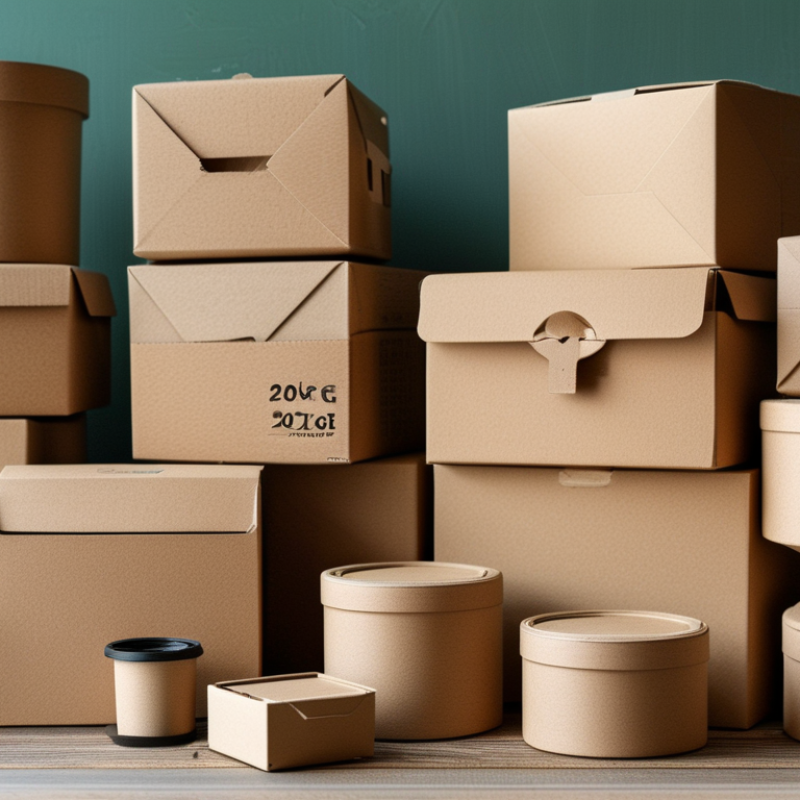
2026 Best Personalized Packaging Types for Global Buyers
Personalized packaging is entering a much larger market conversation. Smithers’ The Future of Global Packaging to 2028 forecasts the worldwide packaging market could approach 1.2 trillion dollars by 2028. This figure covers all packaging, not personalized packaging alone. That distinction matters. Digital-printed folding cartons, variable-data labels, custom mailers, and short-run pouches are gaining attention because they support smaller production batches. Buyers can test regional designs without storing thousands of identical units. Personalized packaging also improves shelf recognition through local languages, seasonal artwork, and precise product information.
The practical choice depends on the product and shipping route. Folding cartons suit lightweight retail goods. Durable corrugated mailers protect direct-to-consumer shipments. Digital labels work well for limited editions and changing compliance details. Smithers also identifies digital print as a key packaging technology because it enables shorter runs and version control. Meanwhile, the World Packaging Organisation’s Global Packaging Trends reports continue to emphasize recyclability, resource efficiency, and clearer consumer communication. A colorful design is not automatically sustainable. That remains a common mistake.
Tips: Request material specifications, print proofs, and migration documentation before approval. Confirm dimensions with real products, not drawings. Ask suppliers about minimum order quantities, color consistency, and recycling guidance in each destination market. Keep personalization useful. A name or local message should not create excessive layers, inks, or waste. Test one market first. It may reveal weak assumptions before a global rollout.
2026 Best Personalized Packaging Types for Global Buyers
Custom boxes remain a strong choice for products needing structure, protection, and shelf appeal. A rigid box can suit premium items, while corrugated mailer boxes handle longer shipping routes better. Test the box with real product weight, corner drops, and humid storage conditions. Small failures become expensive overseas.
Custom mailers reduce material use and offer quick opening for online orders. Pouches work well for flexible products, especially when resealing matters. Choose durable closures and verify seal performance after temperature changes. Personalized labels can carry product details, handling marks, batch references, and multilingual information. Keep text readable. Decorative fonts often look attractive but reduce practical clarity.
Inserts create a more complete unboxing experience. A folded card can explain usage, care, or recycling steps without adding much weight. Molded paper inserts protect items more neatly than loose fillers. Global buyers should request material samples, color proofs, and packing tests before approving large quantities. Digital previews are useful, but they can hide size and texture problems. I have seen beautiful artwork fail because the label lifted on a cold carton. That mistake was avoidable. Review adhesive choice, print contrast, carton dimensions, and final packed weight together. Customization should support protection and communication, not merely add decoration.
Comparison of common packaging formats by customization flexibility, product protection, shipping efficiency, and sustainability potential.
Custom boxes provide the strongest protection and presentation, while mailers and pouches are generally more space-efficient for lightweight products. Labels and inserts offer cost-effective personalization across multiple packaging formats. Sustainability potential depends on material selection, recyclability, and local waste-management infrastructure.
2026 Best Personalized Packaging Types for Global Buyers
Digital printing is changing how global buyers approach personalized packaging. McKinsey & Company reports that 71% of consumers expect personalized interactions, while 76% feel frustrated when companies provide none. Packaging now carries that expectation into the physical world. A name, regional message, or limited artwork can appear on each carton without new plates. Digital printing also supports short runs, reducing excess inventory when demand changes. That matters for seasonal products and cross-border testing.
Variable data printing makes personalization measurable. Each package can receive a different code, image, language, or offer. Smithers’ market analysis forecasts digital packaging print will surpass US$30 billion by 2028, supported by shorter runs and customized production. The strongest formats include folding cartons, flexible pouches, labels, and direct-mail boxes. Buyers should request color proofs, barcode verification, substrate samples, and documented data-security controls. Small details matter. A blurred code can stop a campaign.
The often-cited 80% personalization-driven demand figure should be treated carefully. It may describe a specific survey, category, or buyer segment, not every global market. That distinction is important. A practical workflow starts with one region and a controlled variable set. Test two designs, measure scan rates, repeat orders, waste, and complaints. Do not personalize everything automatically. Excess variation can increase errors and complicate fulfillment, especially across languages and recycling rules. Better packaging is not merely more customized; it is more traceable, testable, and useful.
2026 Best Personalized Packaging Types for Global Buyers
The 74% willingness-to-pay premium signals strong interest in sustainable packaging. However, it should not be treated as a universal rule. Results vary by income, region, product category, and delivery expectations. PwC’s 2024 Voice of the Consumer Survey found that consumers would pay an average 9.7% more for sustainably produced goods. The gap is significant, but smaller than 74%. That difference matters.
For global buyers, personalized mailer boxes, paperboard sleeves, molded-fiber inserts, and recyclable pouches offer practical options. A box with the customer’s name can still use recycled fiber, water-based inks, and low-coverage printing. Monomaterial designs also simplify sorting after use. Smithers’ sustainable packaging market analysis identifies recyclability, lightweighting, and recycled content as continuing industry priorities. Packaging teams should measure material weight, cube efficiency, and damage rates before adding decorative features.
Details matter. A premium finish may improve unboxing, yet it can complicate recycling. Foil layers, mixed laminates, and strong adhesives often create problems. In real packaging audits, the most attractive design is not always the most responsible one. Sometimes, a plain kraft sleeve performs better than a heavily printed box. That feels less exciting. It may also be more honest. Global buyers should test packaging in humid warehouses, long-distance transit, and local recycling systems before claiming sustainability.
Comparison of customizable packaging formats using material performance, circularity, regulatory readiness, and practical buyer priorities.
| Packaging Type | Recommended Sustainable Material | Best Personalization Methods | Typical Product Applications | End-of-Life Profile | Global Buyer Advantages | Key 2026 Considerations |
|---|---|---|---|---|---|---|
| Folding Cartons | FSC-certified or recycled paperboard with water-based inks | Offset printing, digital printing, embossing, debossing, foil accents, die-cut windows | Cosmetics, food supplements, consumer electronics accessories, gifts | Widely accepted in established paper-recycling systems when free from excessive plastic and difficult mixed-material components | Lightweight, efficient for flat shipping, strong print quality, and suitable for short or medium production runs | Keep coatings and laminates compatible with local paper-recycling infrastructure; verify food-contact requirements where applicable |
| Corrugated Mailer Boxes | Recycled corrugated fiberboard with water-based flexographic or digital printing | One-color or full-color exterior printing, inside-lid artwork, variable QR codes, custom die-cuts | E-commerce orders, apparel, home goods, subscription products | Generally recyclable through paper and corrugated collection systems if clean, dry, and free of incompatible materials | Provides structural protection while offering a large branding surface and efficient flat-pack storage | Minimize void fill and unnecessary inserts; avoid non-recyclable plastic windows and permanent mixed-material attachments |
| Paper Pouches | High-strength kraft paper or fiber-based barrier paper | Flexographic printing, digital overprinting, tear notches, resealable features, custom labels | Dry foods, coffee, pet treats, personal-care refills | Recyclability depends on the barrier layer, adhesive system, and local collection rules; fiber-only formats are generally easier to recover | Low shipping weight, compact storage, and a natural tactile appearance that supports premium positioning | Confirm grease, moisture, and oxygen-barrier performance without relying on difficult-to-separate plastic or aluminum laminates |
| Glass Bottles and Jars | Lightweight glass with recycled cullet content where locally available | Screen printing, ceramic decoration, embossing, paper labels, colored glass, custom closures | Food, beverages, cosmetics, fragrance, wellness products | Glass can be repeatedly recycled, but collection and remelting performance varies by market; transport weight is higher than many alternatives | High perceived quality, strong barrier properties, product visibility, and good suitability for reuse or refill systems | Design for breakage protection and optimize pack weight; separate or clearly identify closures, pumps, and decorative components |
| Aluminum Containers | Recycled-content aluminum where supply and specification allow | Direct print, embossing, debossing, anodized finishes, pressure-sensitive labels, laser marking | Beverage cans, tins, personal-care products, premium food, travel-size products | Aluminum is technically recyclable, but actual recovery depends on collection access, sorting efficiency, and local recycling economics | Excellent barrier against light and oxygen, low breakage risk, and strong durability for international distribution | Use compatible inks, coatings, and closures; avoid unnecessary material combinations that complicate sorting or reprocessing |
| Mono-Material Plastic Pouches | Mono-PE or mono-PP structures with recycled content where permitted and technically suitable | Rotogravure or flexographic printing, matte or gloss finishes, digital variable data, resealable zippers | Snacks, detergents, pet food, refill products, personal-care items | Recyclability is dependent on local flexible-plastics collection and sorting systems; mono-material construction is preferable to multi-layer laminates | Very low pack weight, strong moisture protection, efficient pallet utilization, and convenient resealability | Validate the structure against destination-market recycling guidance and avoid incompatible layers, metallization, or excessive additives |
| Molded Fiber Trays and Inserts | Recycled paper fiber or agricultural-fiber pulp without unnecessary plastic coating | Embossed logos, molded textures, printed sleeves, custom geometry, colored pulp | Electronics accessories, cosmetics, food, protective inserts, gift sets | Typically compatible with fiber recovery when clean and free from incompatible coatings; compostability claims require local-condition verification | Replaces some plastic inserts, offers cushioning, and creates a natural premium presentation | Confirm moisture resistance, dimensional stability, odor control, and fit tolerance before large-scale production |
| Reusable Textile and Nonwoven Bags | Recycled polyester, recycled cotton, organic cotton, or durable mono-material textile | Screen printing, embroidery, woven labels, heat transfer, custom handles and closures | Retail packaging, promotional kits, apparel, premium gift packaging | Environmental performance improves when the bag is reused many times; recycling may be limited by fiber blends, trims, and local textile collection | Supports repeated brand exposure, protects products during secondary use, and can reduce demand for single-use bags | Specify durability, washing performance, fiber composition, and responsible disposal instructions; avoid unnecessary mixed-fiber construction |
Buyer benchmark: The 74% willingness-to-pay figure in the headline should be treated as a market-survey benchmark rather than a universal price rule. Actual premiums vary by region, product category, sustainability proof, order volume, and total delivered cost.
Data basis: Material and end-of-life statements reflect established packaging-design principles and commonly used recycling guidance. Actual recyclability depends on the final construction, local collection and sorting infrastructure, contamination levels, and applicable regulations.
Personalized packaging now includes digital mailers, folding cartons, pressure-sensitive labels, and rigid gift boxes. Smithers projects the global packaging market will approach US$1.2 trillion by 2028. Yet customization increases proofing, setup, and quality-control risks. Digital printing usually supports lower MOQs and faster artwork changes. Offset printing often reduces unit costs at higher volumes. A low MOQ is not automatically economical.
Compliance must match the destination market and product category. The European Union’s Packaging and Packaging Waste Regulation requires packaging to become recyclable by 2030. It also introduces recycled-content targets for selected plastic formats. The OECD reports that packaging represents about 40% of global plastic use. Buyers should request material specifications, ink details, migration test results, and recycling instructions. Food, cosmetic, and child-contact applications need stricter evidence. Paper alone does not prove compliance.
Supplier selection should compare landed cost, not only factory price. Ask for a signed quotation, MOQ tiers, tooling charges, sample timing, tolerances, and defect remedies. Review production samples under real lighting. Some color differences are unavoidable, but unexplained variation is unacceptable. Audit traceability from substrate lot to shipment. In practice, supplier claims can look stronger than their documents. That deserves reflection. A reliable partner should explain limitations clearly, accept independent testing, and provide destination-specific compliance files before mass production.