China Top Retail Store Packaging Trends and Innovations Explained
The realm of retail store packaging in China is rapidly evolving. With fierce competition and changing consumer preferences, brands are seeking innovative ways to stand out. Packaging is no longer just a protective layer; it’s a vital marketing tool. The design and functionality must resonate with consumers and convey brand values.
In recent years, some companies have embraced eco-friendly materials. This move captures the attention of environmentally conscious shoppers. However, many still rely on traditional packaging methods that may seem outdated. This inconsistency raises questions about consumer perception and brand image.
Additionally, the influence of technology on retail store packaging is undeniable. Smart packaging solutions can enhance customer experience, providing useful information and interactivity. Yet, not all brands have adopted these innovations effectively. Some struggle to align packaging with their overall strategy. Therefore, examining these trends provides valuable insights into the current state of retail store packaging in China.
Current Trends in Retail Store Packaging in China
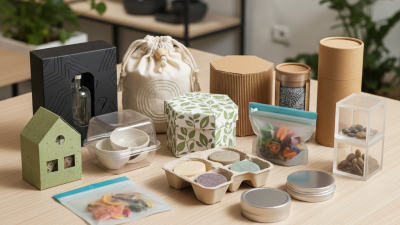
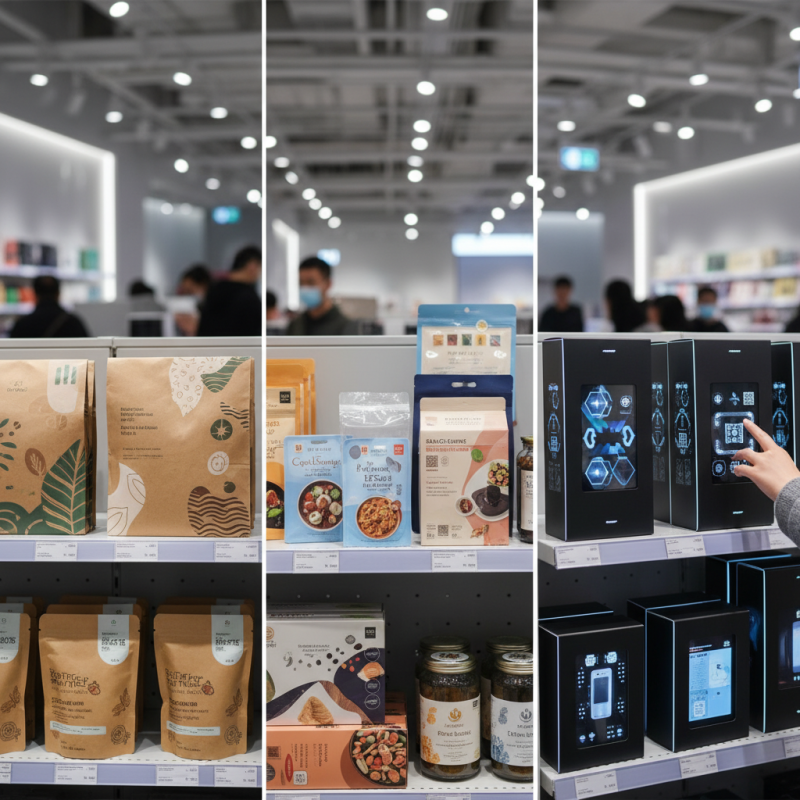
In the evolving landscape of retail in China, packaging trends reflect consumer preferences and environmental concerns. The recent focus on sustainability has driven brands to adopt eco-friendly materials. Recyclable and biodegradable packaging options are increasingly popular among consumers. This trend resonates especially with the younger demographic, who prioritize sustainability in their purchasing decisions.
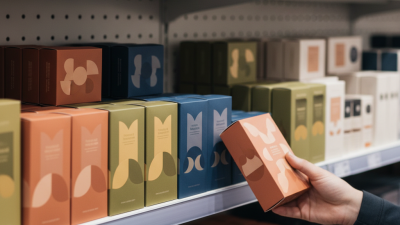
Minimalist designs are also gaining traction. Simple, clean aesthetics appeal to a wide range of customers. Brands are opting for straightforward graphics and colors that convey their identity without overwhelming the buyer. However, achieving the right balance between minimalism and product visibility can be challenging. Some brands struggle to stand out on crowded shelves.
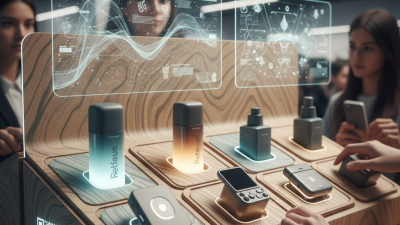
Interactive packaging is another innovation shaping the industry. Brands are integrating QR codes and augmented reality features into their packaging. This adds an engaging element to the shopping experience. Yet, not all consumers are tech-savvy. There’s a risk that some may overlook these features. Companies need to consider their target audience carefully when implementing such technologies.
China Top Retail Store Packaging Trends and Innovations Explained
| Trend |
Description |
Impact on Retail |
Examples |
| Sustainable Packaging |
Use of eco-friendly materials and designs to minimize environmental impact. |
Attracts eco-conscious consumers and enhances brand image. |
Biodegradable plastics, recycled materials. |
| Smart Packaging |
Integration of technology such as QR codes and NFC for enhanced consumer interaction. |
Improves customer engagement; facilitates product tracking and information access. |
Interactive packaging with mobile app integration. |
| Minimalist Design |
Simplicity in design that focuses on functionality and aesthetics. |
Appeals to modern consumers seeking clarity and ease of use. |
Clean lines, clear labeling, and limited color palettes. |
| Personalized Packaging |
Customized packaging solutions based on consumer preferences and behaviors. |
Enhances customer satisfaction and brand loyalty. |
Packaging with individual names or messages. |
| Multi-Function Packaging |
Packages that serve multiple purposes, such as storage and reuse. |
Encourages sustainable habits and increases product lifecycle. |
Containers that can be repurposed as home decor or storage solutions. |
Eco-Friendly Packaging Solutions in Chinese Retail
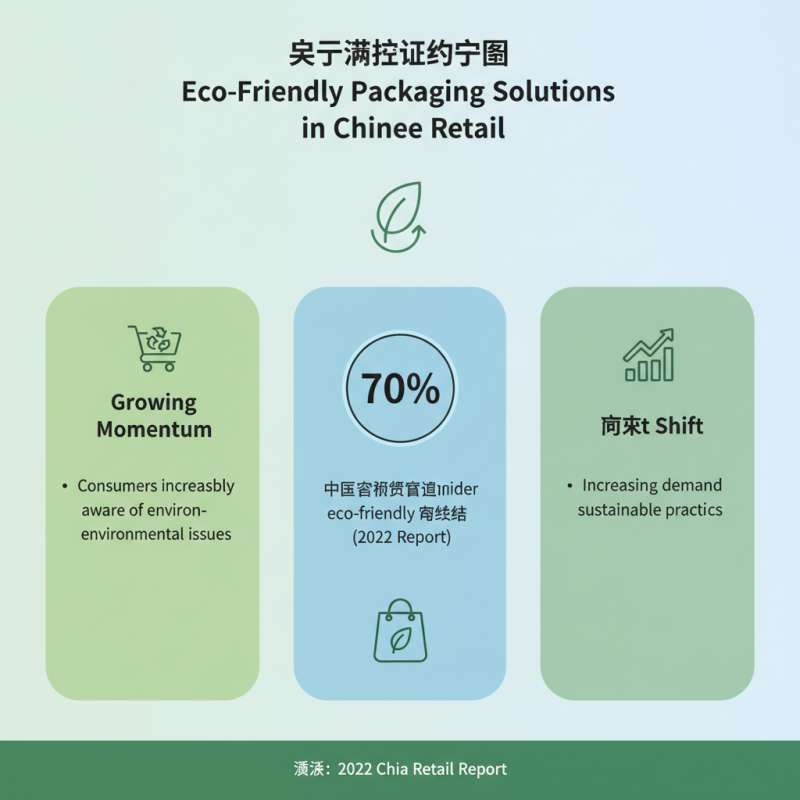
In recent years, eco-friendly packaging has gained momentum in China's retail sector. Consumers are becoming increasingly aware of environmental issues. They prefer products with sustainable packaging. According to a 2022 report, approximately 70% of Chinese consumers consider eco-friendly packaging when making purchases. This shift indicates a growing demand for sustainable practices.
Retailers are responding to this trend by adopting various innovations. For instance, biodegradable materials are being used more frequently. These materials decompose faster and minimize landfill waste. A study found that the use of biodegradable packaging could reduce plastic waste by up to 30% in urban areas. However, not all retailers fully embrace these changes.
Many face challenges in sourcing sustainable materials. The cost of eco-friendly packaging can be higher than traditional options. Some businesses express concerns about supply chain efficiency and product safety. This hesitation might hinder the transition to more sustainable options. Yet, the long-term benefits of eco-friendly solutions cannot be ignored. Companies that invest in sustainable packaging may enhance their brand reputation significantly.
Innovative Packaging Designs Transforming Consumer Experience
Innovative packaging design is reshaping the retail landscape in China. Reports indicate that 70% of consumers are influenced by packaging when making purchase decisions. Eye-catching visuals and unique shapes lead to higher engagement and interaction. Brands are experimenting with eco-friendly materials, as sustainability becomes a priority for 65% of shoppers. This shift challenges companies to balance aesthetics with environmental responsibility.
Smart packaging technology is also on the rise. According to a recent analysis, 50% of consumers appreciate QR codes on packages, providing instant access to product information. This enhances transparency and builds trust. However, integrating technology poses challenges. Companies must ensure the usability of these features to avoid frustrating consumers. Packaging must not only look good but also serve its purpose effectively. The fine line between innovation and functionality remains a topic for reflection.
Impact of Technology on Retail Packaging Innovations
The retail landscape in China is rapidly evolving, particularly in packaging. Technology plays a crucial role in this transformation. Advanced printing techniques allow for vibrant designs that attract consumers. Digital innovations like augmented reality enhance customer engagement. Packaging is no longer just about containment; it's an experience.
Sustainability remains a key concern. Many brands are shifting towards eco-friendly materials. However, the challenge lies in balancing aesthetics and environmental responsibility. While some companies prioritize sustainability, others still rely on traditional, less eco-friendly options. This inconsistency raises questions about genuine commitment to sustainability in retail.
Smart packaging is another innovation to consider. Smart labels can provide real-time data to customers. This creates a connection beyond the product itself. Yet, there are concerns about data privacy and how information is used. Retailers must tread carefully, ensuring consumer trust while embracing these new technologies.
Impact of Technology on Retail Packaging Innovations in China
Future Outlook: The Evolution of Retail Packaging in China
The future of retail packaging in China is evolving rapidly. With a strong emphasis on sustainability, brands are exploring eco-friendly materials. These innovations often involve biodegradable plastics or reusable packaging designs. This shift reflects consumer demand for more responsible choices.
Tips: Consider using packaging that can be easily recycled. This not only appeals to eco-conscious consumers but also helps reduce waste.
Smart technology is another emerging trend. Packaging integrated with QR codes allows shoppers to access detailed product information. It enhances the shopping experience by providing added value. However, not all consumers adopt this technology equally, indicating a gap in user engagement.
Tips: Educate your customers on how to use these features. This can increase interaction and boost consumer confidence in your products.
Despite these advancements, challenges remain. Many retailers grapple with the balance between aesthetics and functionality. Some designs may look appealing but lack practicality. As the industry shifts, continuous feedback from consumers will be crucial to refine packaging strategies.