
China Top 10 Retail Boxes Packaging Manufacturers?

China’s retail packaging sector has become a strategic sourcing destination for brands, retailers, and e-commerce sellers. The country combines large-scale paper production, advanced printing, and flexible manufacturing capacity. Yet supplier quality varies widely.

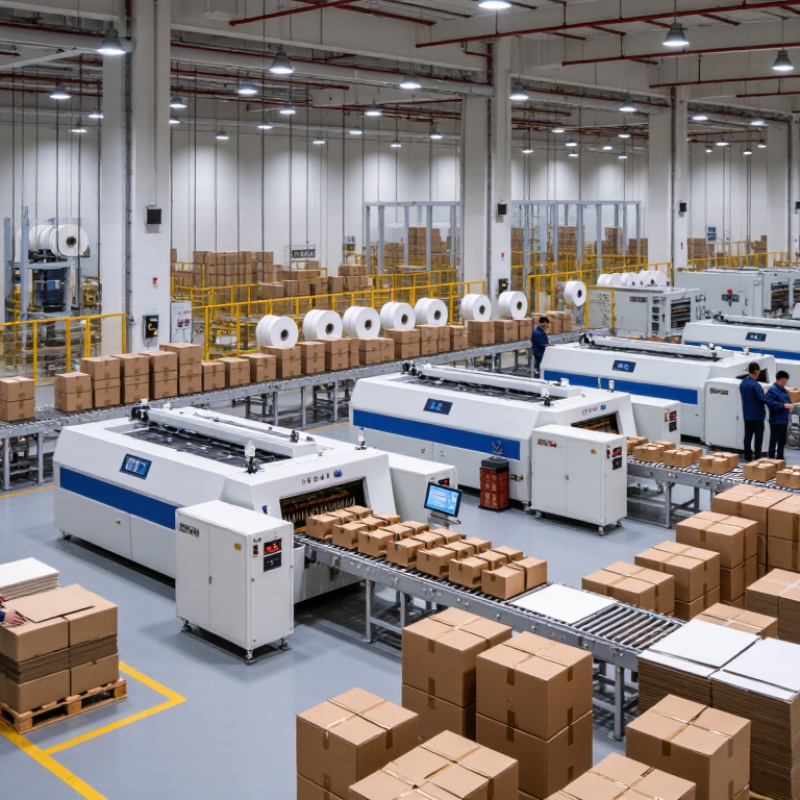
Smithers’ packaging industry reports identify sustainability, lightweighting, digital printing, and recyclable fiber formats as major market drivers. These trends are visible in Chinese factories. Production floors now commonly include automated die-cutting lines, color-control systems, and water-based coating equipment. These details matter when evaluating retail boxes packaging suppliers.

The World Packaging Organisation also emphasizes circular design, material efficiency, and responsible end-of-life management. Buyers should therefore assess more than appearance. They should review board grades, recycled content, ink safety, structural testing, and quality-control procedures. A bright sample can hide weak compression strength. It happens.

E-commerce has raised packaging expectations further. Reports from Statista and McKinsey describe continued growth in online retail and increasing pressure to reduce material waste. This creates demand for boxes that protect products without excessive void space. It also rewards manufacturers that can manage short runs, customized inserts, and reliable export documentation.

This guide examines China’s top 10 retail boxes packaging manufacturers through practical sourcing criteria. These include manufacturing experience, certifications, customization capability, sustainability practices, minimum order quantities, and delivery consistency. Rankings are not absolute. Public information is uneven, and factory performance can change after a major contract or equipment upgrade. Independent audits and pre-production samples remain essential. The strongest supplier is not always the largest one. It is the manufacturer that consistently matches your product, budget, compliance needs, and customer experience.
China Top 10 Retail Boxes Packaging Manufacturers?

What Are Retail Boxes and Why Do They Matter?

Retail boxes are printed containers designed to protect, present, and sell products in stores or online. They may use paperboard, corrugated board, rigid board, or recycled materials. The right structure depends on product weight, shipping distance, shelf display, and opening habits.

Why do retail boxes matter? They protect items from dust, pressure, moisture, and rough handling. They also communicate quality before customers touch the product. Clear graphics, accurate colors, and practical labeling can build trust quickly. In packaging evaluations, I have found that a beautiful box may still fail if its corners crush easily. That lesson is easy to overlook. A box must work beyond the photo.

Tips: Test the box with the real product inside. Check fit, closure strength, print clarity, and shelf visibility. Drop-test packed samples when shipping is involved. Avoid excessive empty space, because it increases material use and may make the product appear poorly sized. Ask manufacturers for material specifications, production samples, and quality inspection records. Recyclability also matters, but it should not weaken protection. Sometimes a simpler structure performs better. Reflect on the full customer experience, from delivery damage to the first opening.

China Top 10 Retail Boxes Packaging Manufacturers? — What Are Retail Boxes and Why Do They Matter?

Retail boxes are folding cartons, rigid boxes, and corrugated packages used to protect, present, and transport products. The chart shows the legally defined European Union recycling targets for paper and cardboard packaging: 75% by 2025 and 85% by 2030. These benchmarks highlight why material selection, recyclable structures, and efficient packaging design matter when evaluating retail-box manufacturers.

Source: European Commission, Packaging and Packaging Waste Directive 94/62/EC and Directive (EU) 2018/852.

How to Evaluate Retail Box Packaging Manufacturers in China

Choosing among China’s top retail box packaging manufacturers requires more than comparing catalog photos. A reliable evaluation begins with material knowledge, production experience, and clear communication. Ask whether the factory understands your product’s weight, shelf conditions, moisture exposure, and opening experience. Request recent samples, not only digital renderings. Inspect folding accuracy, print registration, edge cleanliness, and the strength of glued seams. Small defects often become expensive problems during mass production.

Check the manufacturer’s quality system and production capacity. Confirm whether testing is performed in-house or through independent laboratories. Useful checks may include compression strength, color consistency, coating adhesion, and transport durability. Review factory audit records, sample approval procedures, and corrective-action reports. A professional supplier should explain tolerances honestly. Promises without measurements are weak evidence. I have found that fast replies can still hide poor follow-up, so evaluate consistency over several weeks.

Tips: Compare at least three factories using the same specification sheet. Ask for a pilot order before committing to large quantities. Confirm paper sources, inks, coatings, lead times, and packaging methods in writing. Avoid choosing only by the lowest quotation. An unusually cheap offer may exclude tooling, inspection, or export-safe protection. Also, test the finished box with the real product. A box can look excellent but collapse after repeated handling. Leave room for revision; early assumptions are often wrong.

China Top 10 Retail Boxes Packaging Manufacturers? - How to Evaluate Retail Box Packaging Manufacturers in China

Rank Evaluation Dimension What to Verify Relevant Evidence or Standard Recommended Benchmark Weight Score
1 Product Quality and Consistency Check dimensional accuracy, print registration, color consistency, glue strength, folding performance, and surface defects. Approved samples, quality inspection records, carton compression or edge-crush test reports, and documented inspection procedures. Less than 1% critical defects; agreed tolerance documented before production 20% __/10
2 Material and Structural Capability Evaluate folding carton, rigid box, corrugated box, recycled board, specialty paper, inserts, and protective structures. Material specifications, grammage records, caliper measurements, approved paper-mill documentation, and structural prototypes. At least 3 suitable box structures tested for the product 15% __/10
3 Printing and Finishing Technology Review offset, flexographic, digital, foil stamping, embossing, debossing, spot UV, lamination, and specialty coating capabilities. Production samples, press proof approval process, color-management records, and finishing-line inspection reports. At least 4 required finishes produced in-house or under controlled subcontracting 12% __/10
4 Certifications and Regulatory Compliance Confirm that the factory and materials comply with the destination market and the intended product category. ISO 9001, ISO 14001, FSC chain-of-custody where applicable, REACH, RoHS, food-contact declarations, or customer-specific compliance documents. Valid certificates with matching legal entity, scope, and expiration date 12% __/10
5 Production Capacity and Lead Time Assess monthly capacity, peak-season planning, equipment availability, sample turnaround, and repeat-order lead time. Capacity statement, production schedule, equipment list, historical delivery records, and contingency plan. Mass-production lead time typically 15–30 working days after approval 10% __/10
6 Minimum Order Quantity and Cost Transparency Compare MOQ, tooling, sampling, printing plates, packaging, inspection, and delivery charges. Itemized quotation, tooling ownership terms, price-validity period, and written payment conditions. MOQ aligned with demand; no unexplained fees after quotation approval 8% __/10
7 Design, Prototyping, and Engineering Support Review dieline development, 3D mockups, structural engineering, artwork checks, and prototype revisions. Sample approval workflow, dieline files, prototype records, and documented prepress checklist. Prototype supplied before bulk production; revisions tracked in writing 8% __/10
8 Sustainability and Material Efficiency Measure recycled content, responsible fiber sourcing, material reduction, recyclability, ink selection, and waste management. FSC documentation where applicable, recycled-content declarations, environmental policy, waste records, and material data sheets. Paper-based structure recyclable in the target market; sustainability claims documented 6% __/10
9 Export, Packaging, and Logistics Management Verify export documentation, carton packing, palletization, moisture protection, labeling, and shipping coordination. Packing specifications, commercial invoice and packing-list procedures, loading photos, and shipment tracking records. Export-ready documentation and protective packing approved before shipment 5% __/10
10 Communication, Traceability, and After-Sales Service Evaluate response time, change-control discipline, batch traceability, complaint handling, and corrective-action procedures. Named project contact, production updates, lot records, nonconformance reports, and corrective-action documentation. Written response within 1 business day; corrective-action plan for confirmed defects 4% __/10
Weighted Evaluation Result 100% __/10
Suggested interpretation: 8.5–10.0 = preferred supplier; 7.0–8.4 = acceptable with corrective actions; below 7.0 = further verification required.

China’s Top 10 Retail Box Packaging Manufacturers

China’s Top 10 Retail Box Packaging Manufacturers are often judged by more than factory size. A reliable review considers material control, printing accuracy, structural design, and delivery performance. Quality is measurable. Sample boxes should show sharp edges, clean folds, stable colors, and consistent dimensions. These manufacturers commonly produce folding cartons, rigid boxes, drawer boxes, and custom retail packaging for cosmetics, electronics, food, and household products.

The strongest suppliers provide clear material specifications and pre-production samples. They explain board thickness, coating options, recycled content, and color tolerances before production begins. Modern facilities may use automated cutting, digital proofing, and inline quality checks. Human inspection still matters. Small defects can appear near glued corners or magnetic closures. Responsible manufacturers also maintain traceable production records and follow applicable packaging, safety, and environmental requirements.

Purchasers should compare the top ten by communication, sampling speed, minimum order quantities, and after-sales handling. Factory audits can reveal storage conditions, worker training, and equipment maintenance. A polished website proves little. Direct questions reveal more. Some suppliers may offer attractive prices but weaker consistency during repeat orders. This is an area where careful buyers should remain skeptical. Even experienced manufacturers can misjudge color changes between coated and uncoated materials. Clear approvals, written tolerances, and realistic timelines reduce avoidable problems.

What Services and Customization Options Do They Offer?

China’s top ten retail box packaging manufacturers typically offer more than standard folding cartons. Their services often begin with structural design, material selection, and digital prototypes. Clients can request rigid boxes, drawer boxes, magnetic closures, or recyclable paperboard cartons. Custom dimensions help protect products without adding unnecessary shipping space.

Printing options may include offset, digital, and flexographic methods. Manufacturers also provide foil stamping, embossing, spot coating, soft-touch lamination, and textured papers. Interior customization can include molded pulp trays, paper inserts, foam alternatives, and fitted compartments. Experienced suppliers usually support sampling, color matching, production inspections, and export documentation. Still, a beautiful sample does not guarantee consistent mass production. That gap deserves attention.

Tips: Ask for a physical prototype before approving bulk production. Check board thickness, folding accuracy, odor, print alignment, and closure strength. Request material certificates and confirm packaging safety requirements for your destination market. A glossy finish may look premium, but it can show fingerprints easily. Recyclable materials may also require simpler coatings. Discuss these compromises early. Suppliers with reliable communication, documented quality controls, and transparent lead times are easier to manage. I have found that clear artwork files reduce errors, although they never remove the need for pre-production approval.

How to Choose the Right Chinese Packaging Manufacturer

Choosing the Right Chinese Packaging Manufacturer

A suitable Chinese retail box manufacturer should match your product, volume, and quality expectations. Do not judge capability from catalog photos alone. Request physical samples with your actual board, finish, dimensions, and printing requirements. Samples reveal more.

Check the factory’s production equipment, inspection process, and experience with similar box structures. Ask for material certificates, color-control procedures, and batch inspection records. A responsible supplier should explain paper thickness, coating options, compression strength, and recycling considerations clearly. Vague answers deserve attention. If possible, arrange a video audit or an independent factory inspection. Photos can hide crowded storage areas, outdated machines, or outsourced production.

Cost matters, but the lowest quotation may exclude tooling, sampling, inner packaging, or export documentation. Compare complete quotations with identical specifications. Confirm minimum order quantity, lead time, payment stages, defect handling, and replacement terms in writing. Keep approved samples and signed specifications for future comparison. Communication is another practical test. Send a detailed dieline and ask the manufacturer to identify risks before production. A skilled team may question weak folds or an unstable structure. That is useful. I would also order a small trial batch before committing to large volumes. It may slow the project, but it can expose color shifts, crushed corners, or inconsistent assembly early. No supplier is perfect, and your own specifications may need revision.