How to Choose Mailer Packaging for Global Shipping?

Choosing mailer packaging for global shipping requires more than comparing prices. Parcels may face rain, compression, rough sorting, temperature changes, and long warehouse storage. The right mailer should protect the product without adding unnecessary weight or volume.

DHL’s 2024 E-Commerce Trends Report found that 72% of shoppers consider sustainability important when purchasing online. Smithers’ packaging market research also identifies lightweighting, recyclable materials, and fiber-based solutions as major industry directions. These findings matter, but sustainability cannot replace performance. A thin paper mailer may look responsible, yet it can fail around sharp corners, liquid products, or repeated handling. Sometimes, the greener choice is the package that prevents damage and replacement shipping.

Dr. Jay Singh, a packaging professor at California Polytechnic State University, has said, “The primary purpose of packaging is to protect the product.” That principle should guide every global mailer packaging decision. Test seal strength, puncture resistance, moisture exposure, and dimensional stability. Use real shipping routes when possible. A sample that survives a warehouse test may still fail after a wet doorstep delivery.

Material selection also needs careful reflection. Recycled content, curbside recyclability, and regional disposal systems vary widely. There is no perfect mailer. Start with the product’s size, fragility, weight, and destination climate. Then compare paper, recycled plastic, compostable films, and hybrid designs against measurable results. The cheapest option may become expensive after returns, customer complaints, and damaged goods. Reliable packaging is not flashy. It quietly performs.

How to Choose Mailer Packaging for Global Shipping?

Define Product, Destination, and Shipping Requirements

How to Choose Mailer Packaging for Global Shipping?

Start by defining the product, not the packaging style. Measure its length, width, height, and packed weight. Note whether it bends, scratches, leaks, or breaks under pressure. A soft garment may need a lightweight poly mailer with moisture protection. A ceramic item needs cushioning, a rigid outer layer, and less empty space. Test the packed product with gentle drops and compression. Real handling is rarely gentle.

Destination changes the packaging decision. Check the destination’s climate, delivery distance, and local handling conditions. Humid routes may require stronger moisture resistance. Cold regions can make some plastics brittle. Long routes need durable seals and protection against repeated sorting. Also check size, weight, labeling, and documentation requirements for each shipping lane. Rules and carrier limits vary. Do not assume one package works everywhere.

Then define the shipping requirements clearly. Decide whether the priority is low cost, fast delivery, tracking, or extra protection. Compare material weight with damage risk, because cheaper packaging can create expensive returns. A tamper-evident seal may help with high-value goods, while an easy-open design improves customer handling. In testing, small flaws often appear: a seal weakens, or the product shifts inside. That is useful feedback. Recheck the design after temperature, moisture, and drop tests, and record the results before scaling shipments.

How to Choose Mailer Packaging for Global Shipping? - Define Product, Destination, and Shipping Requirements
Product Profile Typical Product Examples Fragility / Risk Recommended Mailer Structure Suggested Material Typical Thickness or Strength Recommended Closure Internal Protection Suitable Destination Conditions Recommended Parcel Weight Key Shipping Requirement
Soft and Non-Fragile Clothing, towels, bedding, fabric accessories Low Flexible, lightweight self-seal mailer with reinforced seams Recyclable polyethylene or paper-based protective mailer Plastic film commonly 60–90 microns; paper mailer generally 90–150 g/m² Permanent adhesive strip with tamper-evident tear strip Moisture barrier; no cushioning normally required Suitable for dry or moderately humid routes; add moisture protection for monsoon or coastal climates Up to approximately 2 kg Control volume, prevent tearing, and protect against rain or condensation
Folded Apparel with Accessories Shirts with buttons, shoes without rigid boxes, handbags, small textile sets Medium Co-extruded protective mailer or padded mailer with reinforced bottom seal Recyclable plastic mailer or paper mailer with paper cushioning Plastic film commonly 70–100 microns; padded paper generally 120–180 g/m² Adhesive flap plus secondary security seal when high-value contents are included Light cushioning around hard edges and surface protection against abrasion Suitable for international parcel networks with repeated sorting and handling Approximately 0.5–3 kg Prevent punctures caused by buckles, buttons, zippers, or shoe edges
Books and Printed Materials Books, catalogs, notebooks, documents, calendars Medium Rigid mailer or book wrap with fold-over protective corners Corrugated paperboard or solid fiberboard Typically 1.5–3 mm board thickness; use stronger board for multi-book shipments Peel-and-seal strip with adjustable fold lines Corner protection and a close-fitting structure to limit movement Suitable for long-distance ground, air, and parcel transportation Approximately 0.5–5 kg Limit bending, corner crushing, and moisture exposure
Small Electronics Cables, keyboards, computer accessories, small household devices High Rigid corrugated mailer with a snug internal retention system Corrugated fiberboard with paper-based or molded-fiber inserts Use at least a strong single-wall structure; double-wall is preferable for heavier items Adhesive seal plus tamper-evident outer label or security tape Shock-absorbing insert with approximately 25–50 mm clearance from outer walls when needed Suitable for air freight and parcel networks when vibration and impact are expected Approximately 0.3–5 kg Protect against impact, vibration, static discharge, and accidental activation
Glass or Ceramic Items Mugs, bottles, ornaments, tableware, small decorative objects High Rigid corrugated mailer or box-in-mailer system with internal separation Double-wall corrugated fiberboard with molded-pulp or paper cushioning Use double-wall construction for heavier or multiple fragile items; maintain tight-fitting inserts Strong pressure-sensitive tape applied across all main seams Individual wrapping, dividers, corner blocks, and movement control on all sides Suitable for global shipping only after drop, vibration, and compression testing Preferably below 5 kg per parcel unless validated by testing Prevent item-to-item contact and maintain cushioning after repeated impacts
Liquids in Small Containers Cosmetics, non-hazardous personal-care products, sauces, household liquids High Leak-resistant mailer or rigid outer mailer with sealed primary containers Plastic leak-proof pouch combined with corrugated outer protection Use a puncture-resistant pouch and an outer structure strong enough to resist compression Heat-sealed inner pouch plus secure outer adhesive closure Absorbent material, individual bottle separation, and secondary containment Requires route-specific checks for temperature, air transport, and import restrictions Keep individual containers and total parcel weight within carrier and customs limits Verify liquid, chemical, labeling, and dangerous-goods requirements before dispatch
Flat Documents Contracts, certificates, invoices, photographs, forms Medium Rigid document mailer with moisture-resistant outer layer Recyclable paperboard or fiberboard envelope Approximately 0.5–1.2 mm board thickness for routine document protection Peel-and-seal closure; use tamper-evident features for confidential documents Rigid backing board to prevent folding or creasing Suitable for postal, courier, and air-document services Generally below 1 kg Keep documents flat and ensure the address remains readable after handling
High-Value Compact Goods Watches, jewelry cases, precision components, premium accessories High Discreet rigid mailer with internal retention and tamper-evident protection Corrugated fiberboard with molded-fiber or paper cushioning Use a strong single-wall or double-wall structure based on item mass and test results Tamper-evident seal combined with a concealed or plain outer surface Custom-fit insert, anti-scratch wrap, and void control Suitable for tracked international services with controlled handover procedures Preferably below 2 kg per parcel Minimize theft visibility, shock, abrasion, and unauthorized opening
Long-Distance or Humid-Climate Shipments Any product shipped through tropical, coastal, or extended-transit routes Medium Moisture-resistant mailer with sealed edges and a rigid or padded structure as required Coated paperboard, moisture-resistant corrugated board, or protective polyethylene film Select material based on expected humidity, compression, and transit duration Full-width adhesive seal with reinforced seams Desiccant only when appropriate; use a separate inner moisture barrier for sensitive products Tropical, rainy, coastal, or multi-leg international routes Based on product and handling limits; avoid excessive size and empty space Protect contents from condensation, water ingress, compression, and prolonged storage
Packaging selection notes: Dimensions and strength should be validated through practical drop, vibration, compression, and moisture testing. Keep the mailer as close as possible to the product size while allowing sufficient cushioning. Confirm destination-country customs rules, restricted-item regulations, labeling requirements, and maximum parcel dimensions before shipment. Weight ranges are general planning guidelines and should be adjusted according to the carrier, transport mode, product density, and destination.

Compare Mailer Materials, Sizes, and Protective Features

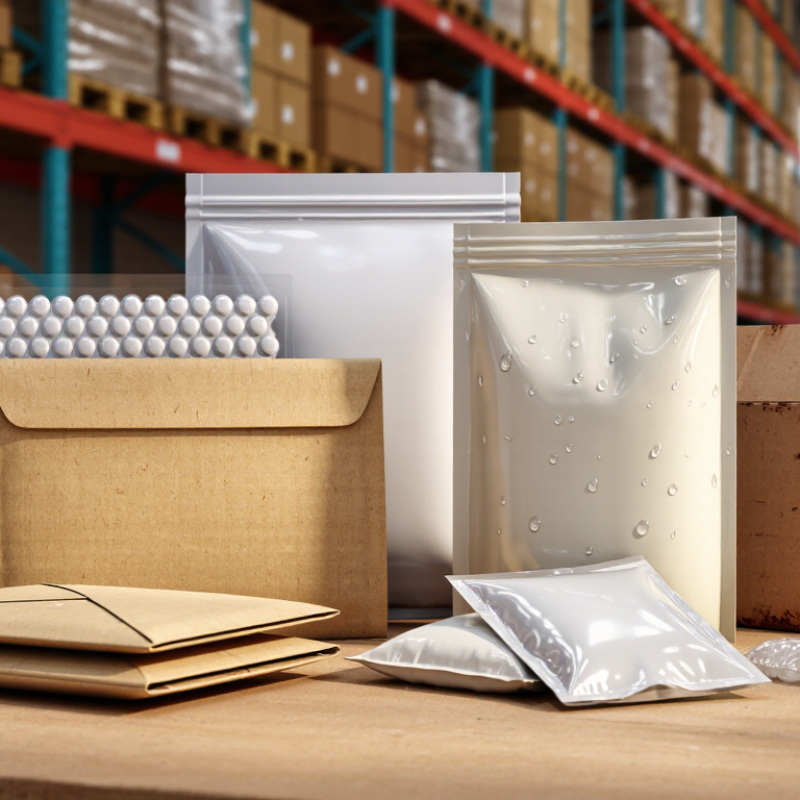
Choosing mailer packaging for global shipping starts with the product, not the destination. Lightweight paper mailers suit clothing, books, and flexible items. Recycled plastic mailers resist rain better, but they can complicate recycling in some markets. Corrugated mailers offer stronger crush protection for cosmetics, accessories, and small electronics. Pitney Bowes reported 161.1 billion parcels shipped globally in 2022, showing how small packaging decisions can scale quickly.

Size matters more than many teams expect. A mailer should hold the product firmly without forcing it inside. Excess space increases movement, material use, and dimensional shipping charges.

A practical test is simple: shake the sealed package for ten seconds. If the item slides, add a fitted insert or choose a smaller size.

Protective features may include tamper-evident seals, waterproof coatings, padded layers, and tear strips. However, extra layers are not automatically safer. They may increase weight and disposal difficulty.

Tips: Compare three material options using drop, compression, and moisture tests. Use recognized ISTA test procedures when possible. The International Postal Corporation’s e-commerce research also shows that delivery experience strongly influences repeat purchasing, so damaged corners deserve attention.

I still tend to overprotect fragile products. That feels safe, but it can waste space. Review return data by destination, product type, and damage pattern. A mailer that works in a dry warehouse may fail after a wet cross-border journey. Test the ordinary case, not only the perfect one.

Match Packaging Design to Customs and Sustainability Rules

Choosing mailer packaging for global shipping means designing for customs and sustainability together. A lightweight pouch may reduce freight emissions, but unclear material descriptions can delay clearance. List the packaging structure, fiber or polymer type, recycled content, and country of manufacture on commercial documents. Use accurate HS classification guidance from the World Customs Organization, and keep product, packaging, and invoice descriptions consistent. Customs officers should not need to guess what is inside a layered mailer.

Sustainability rules also vary by destination. The OECD’s Global Plastics Outlook reports that only 9% of plastic waste was recycled globally in 2019. The report also projects plastic waste could nearly triple by 2060 without stronger policies. Select mono-material paper or recyclable polymer designs where local systems can process them. Avoid unnecessary coatings, mixed laminates, and oversized inserts. UNEP’s Turning off the Tap report states that plastic pollution could fall by 80% by 2040 through reuse, recycling, and redesign. That target sounds ambitious. Packaging trials often reveal a less comfortable truth: a recyclable mailer may still fail if collection infrastructure is weak.

Before launch, test compression, moisture resistance, label adhesion, and opening performance across climates. Record material weights and recyclability evidence for extended producer responsibility filings. Check destination labeling, recycled-content, and packaging-waste requirements before printing thousands of units. A small transparent window may improve product visibility, yet it can complicate sorting. Sometimes, the best design is less attractive.

How to Choose Mailer Packaging for Global Shipping?

Match packaging design to customs and sustainability rules by prioritizing materials with clear composition, accurate declarations, and strong recycling targets.

The chart shows EU packaging recycling targets for 2025 and 2030 under Directive (EU) 2018/852. For international shipments, use packaging that can be identified consistently on commercial invoices and customs documents, and verify destination-country material, labeling, and extended-producer-responsibility requirements.

Source: European Commission, Packaging and Packaging Waste Directive 94/62/EC as amended by Directive (EU) 2018/852.

Evaluate Costs, Branding, and Carrier Compatibility

How to Choose Mailer Packaging for Global Shipping?

Mailer packaging affects more than appearance. It influences shipping cost, product protection, and customer trust.

A lightweight mailer can reduce dimensional weight charges, but thin material may tear during sorting. Measure the packed product, not the empty mailer. A difference of two centimeters can change the shipping tier.

Branding should work within the package’s physical limits. Use a clear logo, readable handling information, and colors that remain visible after warehouse abrasion. Printed interiors can create a pleasant opening experience, especially for small apparel or stationery items.

However, extra ink, coatings, and custom inserts increase production costs. The effect is not always worth it. Test the design with real customers before ordering large quantities.

Carrier compatibility requires practical testing. Check maximum dimensions, sealing strength, barcode visibility, and resistance to rain. Some carriers use automated scanners that struggle with glossy surfaces or curved labels.

Pack sample orders with actual products, then run drop, compression, and moisture tests. Keep records of damage rates and delivery charges.

A recyclable material may sound ideal, yet it can fail if the adhesive loosens in humid routes. That is a useful warning. Packaging decisions need revision when evidence disagrees with the original plan.

Reliable suppliers should provide material specifications, test data, and consistent batch quality. Ask for samples first.

Test and Standardize Mailers for Reliable Global Delivery

Choosing a mailer for global shipping starts with evidence, not appearance. A thin, attractive pouch may fail under rain, sorting belts, or crowded trucks. In packaging trials, I inspect seams after vibration, compression, puncture, and drop tests. I also test filled mailers, not empty samples. Contents change the stress pattern.

Create a repeatable test plan for each size and material. Use the same product weight, closure method, and test sequence. Record tears, seal lift, moisture entry, and label damage with photographs. Test cold, heat, and humidity when routes cross different climates. Small details matter. A weak corner can ruin a shipment. Test representative destination routes when possible, including long storage and multiple handling points. Packaging engineers should review results against recognized international testing methods and the item's fragility. Local labeling and import requirements also deserve a documented check. Requirements vary.

After approval, standardize the mailer specification. Define dimensions, thickness, closure strength, recycled content range, print placement, and acceptable defects. Give suppliers a clear inspection sheet and retain sample units from each production lot. Incoming checks should include dimensions, seal adhesion, and visual damage. However, standardization should not become a blind rule. A design that works in dry air may soften in tropical humidity. We once treated a minor crease as harmless; repeated testing showed it became a tear during compression. That result changed our acceptance limits. Review failures monthly, even when delivery data looks stable, and record every revised limit.