Global shipping turns every parcel into a practical test of protection, cost, and customer trust. Choosing the right mailer packaging requires more than selecting a strong envelope. Product weight, dimensions, moisture exposure, handling pressure, and destination climate all matter. A lightweight apparel order may need a recyclable poly mailer, while books or electronics may require padded protection and stronger seals.
Packaging consultant Paul Jenkins has said, “The right packaging protects the product, the brand, and the customer experience.” This principle remains useful across international supply chains. A mailer packaging solution should resist tearing when parcels rub against conveyor belts. It should also close securely after temperature changes and long transport periods. Small details matter, such as peel-strip quality, label adhesion, and clear return instructions.
Yet no packaging checklist is perfect. A mailer that performs well in dry warehouse testing may soften during humid ocean transit. A thicker option may reduce damage, but increase shipping volume and material use. That trade-off deserves honest review. Companies should test real samples through compression, drop, vibration, and moisture conditions. They should also confirm material claims with dependable supplier documentation. Regional recycling systems can differ widely, even when packaging carries familiar symbols.
This guide explores how to match mailer packaging with products, routes, handling risks, and sustainability goals. It considers protective performance without ignoring cost or customer convenience. The best choice is rarely the most expensive one. It is the option that remains reliable from fulfillment shelf to the customer’s doorstep.
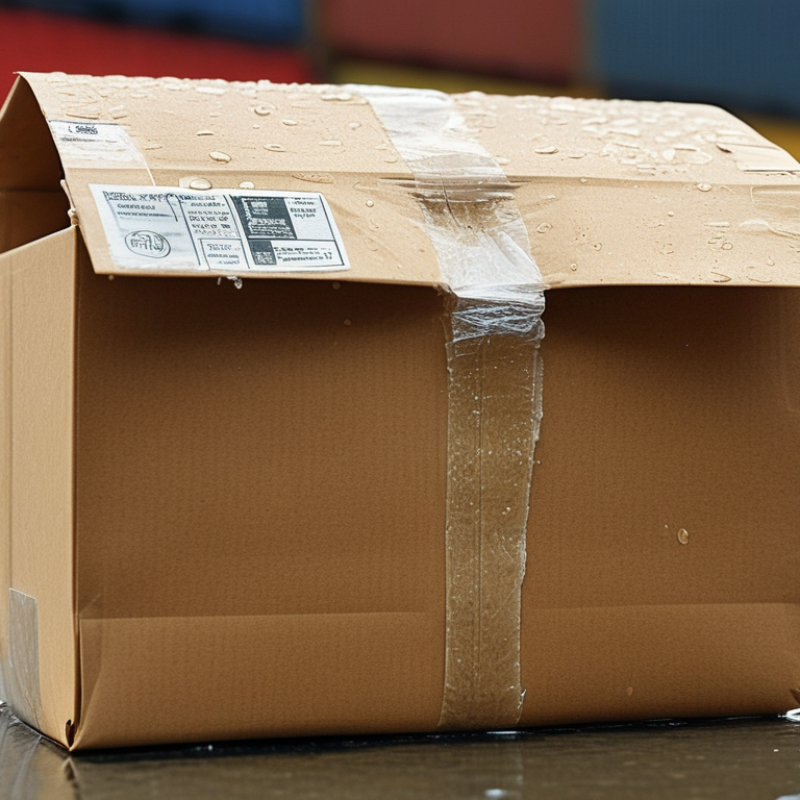
The right mailer begins with the route, not the product photo. Define each destination by climate, transit time, handling intensity, delivery address, and return process. The International Post Corporation’s 2023 Cross-Border E-Commerce Shopper Survey highlights delivery cost, speed, and tracking as major purchase concerns. Therefore, dimensional weight, scan visibility, and easy resealing become operational requirements. Keep the evidence.
The 2023 Parcel Shipping Index recorded 161.1 billion parcels worldwide in 2022. Small packaging errors can therefore create substantial waste, delays, and damage claims. For humid destinations, test seal adhesion after condensation exposure. For cold routes, check whether the mailer becomes brittle. Use destination-specific drop tests, based on actual parcel weight and landing surfaces. ISTA testing protocols can provide a controlled reference, but real route conditions may still differ.
A lightweight mailer is not automatically the better choice. A thicker one is not automatically safer. For soft goods, a flexible water-resistant mailer may reduce dimensional charges. For sharp-edged items, add internal separation and reinforced seams. Test two or three sizes with real labels, not empty samples. Record moisture marks, torn corners, failed seals, and customer opening complaints. The first design may still be wrong. Review results by destination, because customs delays, seasonal weather, and local handling practices can change the packaging requirement.

Choosing a mailer for global shipping starts with the item, not the destination. Paper mailers suit clothing, documents, and other flexible goods. They feel professional and often support recycled content. However, they can soften after prolonged exposure to rain or humidity. Poly mailers resist water and weigh less, which may reduce transport costs. Their environmental performance depends on material type, recovery systems, and local disposal access.
Fit matters more. Measure the product after adding tissue, padding, or an inner bag. Leave enough room for a clean seal, but avoid excessive empty space. A mailer that is too large can shift during sorting. A tight mailer may split at the seams. My first sizing chart was too optimistic; filled parcels needed more side allowance than expected. Measure twice.
Protection should match the product’s weak points. A bubble-lined mailer helps shield small electronics, cosmetics, and delicate accessories from light impacts. For sharp corners, add a rigid insert or folded cardboard panel. A tamper-evident closure can show visible opening, but it cannot prevent every handling problem. Check adhesive strength on a cold sample, then test sealed parcels with short drop and compression trials. For international routes, inspect the mailer after exposure to moisture, temperature changes, and rough movement. A clear address panel, strong seams, and a barcode-friendly surface also reduce avoidable delays. Choose the smallest protective format that survives realistic handling, not just a neat warehouse test.
Choosing mailer packaging starts with the product, not the destination. A lightweight T-shirt may travel well in a flexible poly mailer, while a ceramic item needs a rigid mailer with cushioning. Weight matters because heavier parcels create higher compression and handling risks. For small, non-fragile goods, use a snug mailer with a tear-resistant outer layer. For sharp-edged products, add an inner wrap to prevent punctures.
Eurostat reported that EU packaging waste reached 188.7 kilograms per person in 2021, increasing by 32.7 kilograms from 2011. Oversized packaging adds unnecessary material and shipping volume. The International Post Corporation also reported continued growth in cross-border parcel purchasing, making consistent packaging tests more important. A package may survive a local delivery route but fail after several air transfers, customs checks, and wet-weather handoffs. I have found that “light” does not always mean “efficient.” A thin mailer can require replacement shipments.
Tips: Match the mailer size to the product’s actual dimensions. Leave enough space for cushioning, but avoid empty corners. Weigh the packed parcel, not only the item. Test filled packages with drop, compression, and moisture checks. Seal every edge securely. For heavier items, choose reinforced seams and a stronger closure. Document results by product type and weight range. This creates repeatable decisions, although real-world damage can still expose weak assumptions.
| Product Type | Typical Packed Weight | Recommended Mailer | Suggested Internal Size | Protection Level | Suitable Product Examples | Global Shipping Considerations |
|---|---|---|---|---|---|---|
| Soft, non-fragile items | Up to 0.5 kg | Lightweight polyethylene or paper mailer | Product dimensions plus 25–40 mm on each side | Basic tear, moisture and abrasion resistance | T-shirts, scarves, fabric accessories, soft toys | Choose a water-resistant outer layer for humid routes; keep the package flexible to reduce dimensional weight. |
| Small flat products | Up to 1 kg | Rigid paperboard mailer with peel-and-seal closure | Product dimensions plus 15–25 mm clearance | Resists bending, scuffing and light compression | Documents, photographs, calendars, thin books | Use a rigid insert when bending could damage the contents; keep labels flat and fully visible. |
| Small fragile products | Up to 1 kg | Padded paper or bubble-lined mailer | Product dimensions plus 30–50 mm on each side | Cushions minor impacts and surface friction | Small accessories, cosmetic containers, compact electronics | The mailer should not be used for highly breakable items without a rigid inner box and void fill. |
| Books and compact dense goods | 1–2 kg | Heavy-duty corrugated paperboard mailer | Product dimensions plus 20–35 mm clearance | Good edge, puncture and compression resistance | Hardcover books, board games, small tools, compact parts | Reinforce corners and seams for multi-leg handling; avoid excessive empty space that increases billable volume. |
| Medium fragile products | 1–3 kg | Corrugated mailer with a fitted inner wrap | Product dimensions plus 40–60 mm on each side | Provides structural support and impact separation | Ceramic items, small devices, framed goods, glass accessories | Use internal cushioning that holds the product away from all walls; test for vibration and drop handling. |
| Long or narrow products | Up to 3 kg | Long corrugated wrap-around mailer | Length plus 40–60 mm; width and height plus 25–40 mm | Reduces bending and protects elongated edges | Posters, rolled prints, cables, narrow household parts | Check carrier length and girth limits before dispatch; oversized shapes may incur surcharges. |
| Multiple small items | 2–5 kg | Reinforced corrugated mailer with dividers | Contents plus 40–70 mm clearance for cushioning | Controls movement and distributes compression | Gift sets, sample kits, bundled accessories, subscription orders | Separate heavy and delicate items; secure loose components to prevent shifting during customs and carrier handling. |
| Heavy or high-value products | Over 5 kg | Double-wall corrugated shipping box rather than a standard mailer | Smallest practical size with 50–75 mm cushioning space | High resistance to stacking, impact and puncture | Metal components, equipment, dense tools, high-value devices | Confirm the packaging’s tested load capacity, seal all seams, and consider tamper-evident or serialized labels. |
Customs rules differ by destination, so mailers should not be chosen by appearance alone. Start with the product’s material, value, origin, and destination. A clear commercial invoice should match the parcel label exactly. Even small differences can trigger questions, delays, or extra handling. Check whether the destination requires a tariff code, translated description, or specific recycling mark. Avoid vague wording such as “gift” when the shipment is a sale. Simple descriptions work better.
Labeling also affects delivery accuracy. Use a durable, high-contrast label that remains readable after rain, bending, and repeated sorting. Keep barcodes flat and away from seams. Add handling details only when they are genuinely useful. Too many warnings can confuse operators. I once saw a neatly packed parcel fail because its address line wrapped across the barcode. It looked professional, but the label was not machine-friendly.
Sustainability needs evidence, not attractive claims. Choose the lightest mailer that protects the item, and test it with real compression and moisture exposure. Recycled content may be valuable, but local recovery systems differ. A mailer accepted in one country may be rejected in another. Carrier standards also matter: confirm size limits, closure strength, maximum weight, and surcharge rules before buying in bulk. Leave room for improvement. A packaging test that passes in a warehouse may fail during a humid, crowded transport route.
Choosing a mailer for global shipping starts with testing, not appearance. I compare three sizes, two seal types, and several recycled-content levels. Each sample carries the same product, insert, and shipping label. Measure packed length, width, and height. Small changes matter. An extra centimeter can increase dimensional weight on some routes, even when the product remains light.
Run drop, compression, vibration, and moisture tests before approving a design. For international lanes, I simulate rough handling and temperature shifts. Place samples in a humid room, then test seals after twelve hours. Inspect corners, adhesive edges, and product movement. A failed seal is expensive. Yet overbuilding is not automatically safer. A thick mailer may protect well but add material cost, storage volume, and postage. One test failed because the closure lifted after repeated vibration.
Track damage rate, packing time, material use, and delivered cost per order. Do not judge savings from postage alone. Compare returned shipments and customer complaints across a meaningful sample. Use actual destination mixes, because domestic testing can hide international weaknesses. I once favored the lightest option, but its weak closure created more repacking work. That result changed my scoring model. Keep label placement clear and verify packaging requirements for each destination. Review performance quarterly. Mailer behavior can change when suppliers, products, or routes change.