Why Choose Short Run Packaging for Your Business Needs?
In the evolving world of business, optimizing packaging solutions is crucial. According to John Smith, a leading expert in short run packaging, “Flexibility is key in today’s market.” His insight highlights the importance of adaptable strategies. Short run packaging offers businesses the ability to produce small quantities efficiently. This innovation caters to diverse needs without the traditional bulk constraints.
Companies can test new products more easily with short run options. This approach minimizes waste and allows for quick adjustments based on consumer feedback. It provides an ideal way to explore creative designs without a long-term commitment. Despite the benefits, some brands hesitate to embrace this method. They may fear increased costs or quality compromises. However, those who invest in short run packaging often find that the advantages outweigh these concerns.
More organizations are recognizing the importance of agility in packaging. Short run packaging enables tailored solutions that resonate with unique market demands. This strategy not only saves resources but fosters innovation. As the landscape shifts, understanding the value of short run packaging becomes essential for sustainability and growth. Embracing this practice may lead to new opportunities and insights.
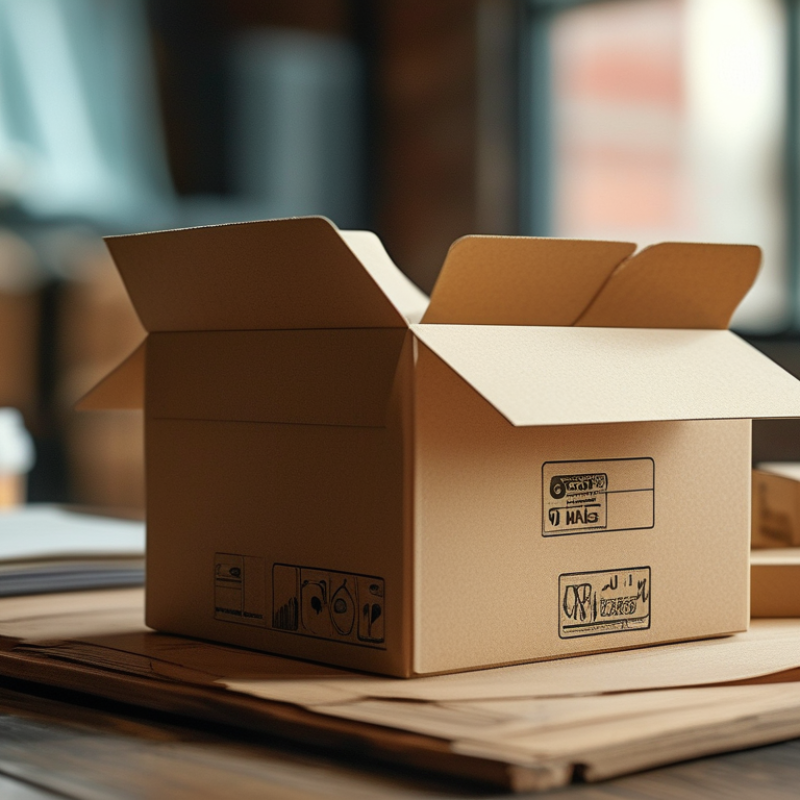
Benefits of Short Run Packaging for Small Businesses
Short run packaging provides small businesses an agile and cost-effective solution. It allows companies to produce smaller quantities of products without incurring high upfront costs. This flexibility is crucial for startups and niche markets. Small businesses can test new designs or products without committing to large production runs. Customized packaging enhances brand visibility.
Moreover, short run packaging reduces waste. Companies only produce what they need for a specific period. This adaptability means businesses can respond quickly to market changes. If a product doesn't perform as expected, it’s easy to pivot. However, balancing quality with cost is always a struggle. Not every print run achieves perfection, leading to reflections on improvement.
Additionally, engaging with customers through limited editions creates excitement. Small batches can foster a sense of exclusivity. This strategy boosts sales and strengthens customer loyalty. While short run packaging has benefits, it also poses challenges like maintaining consistent quality across runs. Small businesses must navigate these hurdles to harness the full potential of their packaging strategy.
Cost-Effectiveness of Short Run Production in Packaging
Short run packaging has emerged as a vital solution for businesses aiming to enhance efficiency. According to a study by Smithers Pira, the global market for short run packaging is projected to reach $1.15 billion by 2025. This increase reflects a growing trend towards customization and flexibility. Companies now understand the need to adapt rapidly to market fluctuations without incurring hefty costs.
Cost-effectiveness is a key advantage of short run production. Traditional large-scale manufacturing often leads to excess inventory and wastage. In contrast, short run packaging allows businesses to produce only what they need. This strategy not only reduces storage costs but also minimizes the risks associated with unsold products. A report by Freedonia Group highlights that businesses using short run packaging can save up to 30% on production costs compared to conventional methods.
However, companies must consider certain challenges. Although short run packaging offers lower quantity orders, the cost per unit can still be higher. This investment raises questions about pricing and profit margins. Additionally, not every product suits short run production. Evaluating product compatibility is essential to leverage this model effectively. The shift into this realm also requires reliable technology and expertise to ensure quality. Balancing these factors can create an avenue for innovative growth.
Flexibility and Customization in Short Run Packaging Options
Short run packaging provides businesses with a unique approach to meet their specific needs. Flexibility is a key advantage. According to a recent industry report by Smithers Pira, the short run packaging market is expected to grow significantly, offering customizable solutions for various businesses. This growth reflects the increasing demand for tailored packaging to enhance brand identity and consumer appeal.
Customization enables companies to experiment with different designs without committing to large production runs. Smaller batches allow for creative adjustments based on market feedback. For instance, a new product launch can incorporate consumer input quickly, improving overall effectiveness. The ability to switch designs easily helps brands stand out in crowded markets.
Tips for success: Test various materials and finishes to see what resonates with your target audience. Don’t hesitate to ask for samples before committing to any new packaging design. Monitor feedback closely; it will guide future adjustments.
It's important to note that while short run packaging offers flexibility, it may also present challenges. Higher costs per unit can be expected, and the need for rapid design iterations can strain resources. Balance is essential for maximizing the benefits of customized packaging while managing associated costs effectively.
Benefits of Short Run Packaging
Speed to Market: How Short Run Packaging Enhances Agility
Short run packaging has become essential for businesses looking to enhance their speed to market. With consumer preferences evolving rapidly, agility is key. This type of packaging allows companies to quickly respond to market demands and design changes. By producing smaller batches, businesses can launch products faster. This approach minimizes downtime and enables quick adjustments based on feedback.
Tip: Consider testing different designs on a smaller scale before committing to larger orders. This not only saves resources but also allows for refinement of ideas. Each iteration can bring you closer to a product that resonates with your audience.
Short run packaging fosters creativity and experimentation. You can explore new materials, colors, or designs without the heavy commitment of a large order. However, the balance between innovation and cost is critical. Sometimes, a compelling design may not yield the expected market response.
Tip: Always gather customer feedback early. It can provide valuable insights that help you pivot your approach. Remember, the marketplace rewards adaptability. Embracing imperfection in the early stages can lead to stronger, market-ready products.
Sustainability Considerations in Short Run Packaging Solutions
Sustainability is becoming crucial for businesses today. Short run packaging offers an eco-friendly solution. Traditional bulk packaging often leads to waste. Businesses order more than they need, resulting in excess materials that end up in landfills. Short run packaging allows companies to minimize waste by producing only what they need.
With short run packaging, companies can use sustainable materials. Biodegradable and recyclable options are increasingly available. This aligns with the growing consumer preference for environmentally responsible products. However, not all short run packaging solutions are created equal. It’s essential to research the sourcing of materials and production methods. Some companies may claim to be eco-friendly without meeting rigorous standards.
Choosing the right packaging is a balancing act. Cost, sustainability, and functionality must be considered. Small businesses may struggle to find affordable sustainable options. Often, immediate cost savings lead them to overlook the long-term benefits. Focusing on sustainability can enhance brand loyalty. It shows commitment to environmental responsibility, which customers increasingly value. Yet, more education is needed to make informed choices.
Why Choose Short Run Packaging for Your Business Needs? - Sustainability Considerations in Short Run Packaging Solutions
| Packaging Type |
Material Used |
Sustainability Score |
Average Lead Time (days) |
Cost Efficiency (% Savings) |
| Rigid Boxes |
Recycled Paperboard |
85 |
10 |
20 |
| Flexible Pouches |
Biodegradable Film |
90 |
7 |
15 |
| Labels |
Recycled Paper |
80 |
5 |
25 |
| Cartons |
Corrugated Cardboard |
75 |
12 |
18 |
| Shrink Wrap |
Recycled Plastic |
70 |
8 |
22 |