What is Shelf Ready Packaging Benefits for Global Buyers?
Shelf ready packaging (SRP) offers numerous advantages for global buyers. In today's competitive market, efficiency and presentation matter greatly. SRP enhances product visibility and reduces handling time. This packaging format is designed for easy display on retail shelves, making it appealing to consumers.
Moreover, SRP simplifies the supply chain process. It minimizes the effort needed for merchandising and restocking. Buyers can expect faster turnaround times. However, implementing shelf ready packaging is not without challenges. Some retailers may resist the change due to existing practices. It requires investment and careful planning to adopt effectively.
Despite these hurdles, the benefits of SRP are significant. The ability to streamline operations can reduce costs in the long run. Ultimately, shelf ready packaging empowers global buyers to deliver products that not only attract attention but also enhance customer experience. It is essential to weigh the pros and cons before committing to this approach.
Definition of Shelf Ready Packaging and Its Key Features
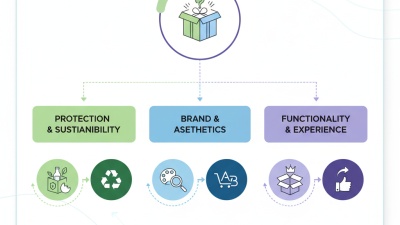
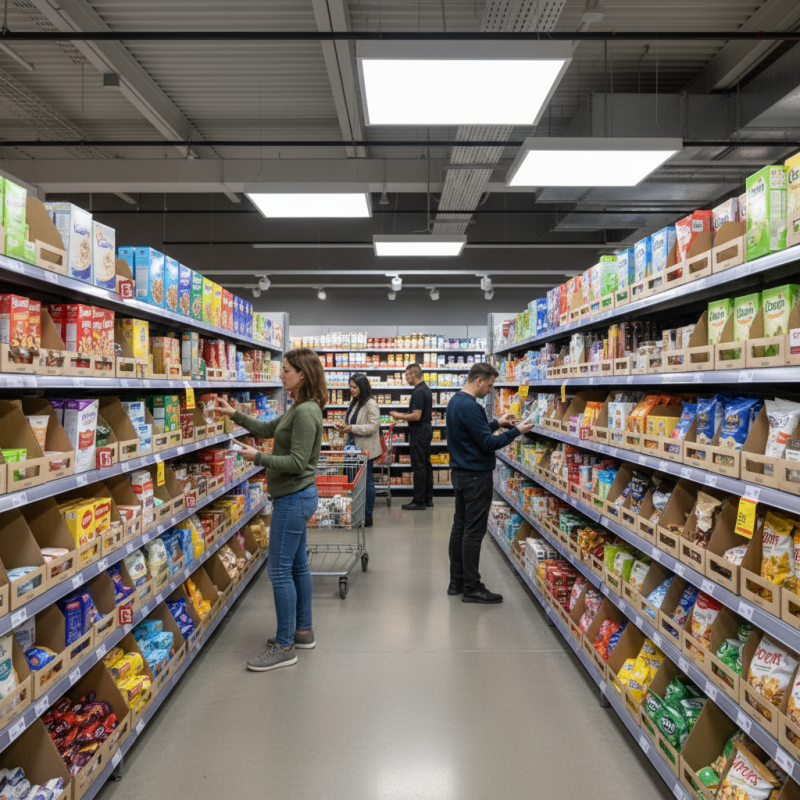
Shelf Ready Packaging (SRP) is designed for ease of handling and visibility in retail environments. It features ready-to-display boxes that simplify stocking processes and enhance product presentation. A survey by McKinsey highlights that 80% of buyers prefer products on shelves that are neatly displayed. An effective SRP not only has eye-catching graphics but also provides essential information about the product.
One key feature of SRP is its ability to reduce labor costs. According to an FMI report, retailers can cut down stocking time by up to 30% with ready-to-sell packages. This efficiency translates into quicker restocking and ultimately better sales. Additionally, SRP can improve supply chain efficiency, with researchers estimating a potential reduction of 10% in overall packaging waste.
Tip: Always consider the end-user when designing SRP. Think about how customers will interact with the packaging. Use clear labeling and vibrant colors to attract attention.
Another point worth mentioning is the environmental impact. While SRP offers convenience, it can contribute to excess waste if not designed sustainably. Studies show that 50% of consumers are more likely to choose brands with eco-friendly packaging. Brands should evaluate their materials and minimize environmental footprints while maintaining SRP effectiveness.
Tip: Explore alternative materials for SRP to reduce waste. This might also attract environmentally conscious consumers.
What is Shelf Ready Packaging Benefits for Global Buyers?
| Feature |
Description |
Benefit to Buyers |
| Easy to Handle |
Shelf ready packaging is designed for easy handling and placement on shelves. |
Reduces labor costs and increases efficiency during restocking. |
| Visibility |
Designed to be visually appealing and enhance product visibility. |
Increases product appeal and can enhance sales due to better visibility. |
| Sustainability |
Often made from recyclable materials, reducing environmental impact. |
Attracts eco-conscious buyers and enhances brand reputation. |
| Reduced Waste |
Optimized to minimize excess packaging materials and waste. |
Lowers disposal costs and enhances supply chain efficiency. |
| Branding Opportunity |
Provides a platform for branding messages directly on the packaging. |
Strengthens brand identity and promotes customer loyalty. |
Importance of Shelf Ready Packaging for Retailers and Buyers
Shelf Ready Packaging (SRP) plays a crucial role for retailers and buyers alike. It streamlines the supply chain, making it easier to display products on shelves. Retailers appreciate the ease of handling SRP. It reduces stockroom clutter and accelerates the replenishment process. A well-designed SRP allows shoppers to see the product immediately, enhancing the shopping experience.
Buyers also benefit from SRP. It promotes brand visibility, capturing attention in crowded stores. The clear organization of goods can influence purchase decisions. However, not all SRP designs succeed. Some may fail to attract due to poor graphics or unappealing colors. Buyers should carefully evaluate SRP effectiveness to ensure it aligns with consumer expectations.
Retailers sometimes overlook the importance of feedback from their customers regarding SRP. This feedback is essential for optimizing packaging designs. An effective SRP not only simplifies logistics for retailers but also boosts sales by appealing to shoppers. Regular reflection on packaging strategies ensures that both retailers and buyers maximize benefits from Shelf Ready Packaging.
Cost-Effectiveness of Shelf Ready Packaging in Global Markets
Shelf Ready Packaging (SRP) offers significant cost-effectiveness for global buyers. Designed to enhance efficiency, SRP minimizes the clutter in retail spaces. It allows for quicker product displays, reducing the labor costs during restocking. In fast-paced environments, time is money. The quicker products are available on shelves, the better sales potential they have.
Consider the environmental impact. SRP often uses sustainable materials, aligning with cost savings and eco-conscious consumer preferences. However, there can be trade-offs in terms of durability. Some buyers may find that thinner packaging might not protect products as well during transport. Balancing cost and quality is crucial. Evaluating the right choice can involve trial and error.
Moreover, SRP can lead to increased promotional opportunities. Eye-catching packaging attracts more customers. Some retailers report higher turnover rates after implementing SRP. Yet, there is a learning curve. Not all designs resonate with every market. Understanding local preferences is vital for successful implementation. Buyers must remain flexible and willing to adapt their strategies.
Impact of Shelf Ready Packaging on Supply Chain Efficiency
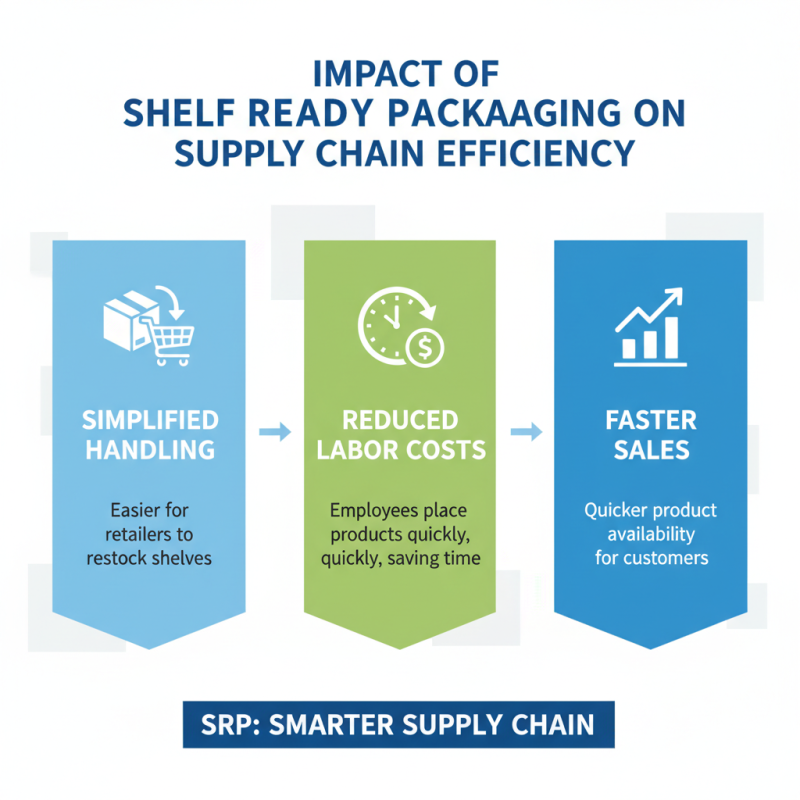
Shelf Ready Packaging (SRP) significantly enhances supply chain efficiency. It simplifies product handling, making it easier for retailers to restock. This efficiency is pivotal in reducing labor costs. With SRP, employees can quickly place products on shelves. Time is saved, and this promotes faster sales.
The design of SRP also minimizes damage during transportation. Well-structured packaging ensures that products arrive intact. This reliability builds trust between manufacturers and retailers. Moreover, organized packaging aids inventory management. Retailers can track stock levels more easily. The visual appeal of SRP can attract customers, increasing foot traffic and potentially boosting sales.
However, implementing SRP is not without challenges. Some businesses may face initial costs. These expenses could deter small enterprises from adopting SRP. Additionally, training staff to use new packaging systems can be time-consuming. It's essential to balance these challenges with the long-term benefits of improved efficiency. Reflecting on these aspects can lead to more informed decisions regarding SRP adoption.
Consumer Perception and Sales Boost Through Shelf Ready Packaging
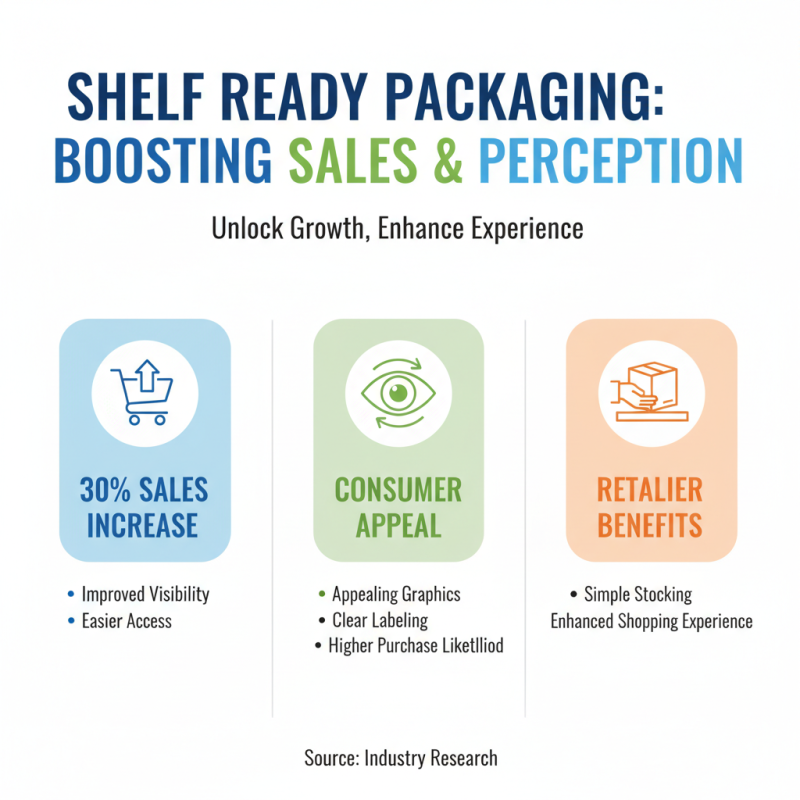
Shelf Ready Packaging (SRP) significantly enhances consumer perception and contributes to increased sales. Research indicates that well-designed SRP can lead to a 30% boost in sales for packaged products. This is largely due to improved shelf visibility and easier access. Retailers appreciate the simplicity of stocking products, which adds to the customer's shopping experience. When consumers notice appealing graphics and clear labeling, their likelihood to purchase rises dramatically.
A study by Nielsen shows that products featuring SRP result in higher impulse purchases. These packages not only attract attention but also convey brand values effectively. Consumers prefer brands that demonstrate care for both aesthetics and practicality. Some experts argue that while SRP offers benefits, it can also lead to ‘over-packaging’ concerns. This might result in negative consumer sentiments regarding sustainability.
SRP variations can cater to specific markets, presenting unique challenges. Often, what works in one region may not resonate in another. There's a need for continuous research and adaptation. Brands must listen to consumer feedback. This iterative process can refine packaging strategies, balancing eye-catching design with functional appeal. Understanding local preferences is key to driving greater sales through SRP.