2026 Best Retail Ready Packaging Trends for Global Buyers?
The landscape of retail ready packaging (RRP) is evolving rapidly as businesses seek innovative solutions. According to a recent report by Smithers Pira, the global market for RRP is projected to reach $350 billion by 2026. This reflects an annual growth rate of about 4.5%. Brands are prioritizing efficient designs that enhance visibility and drive sales.
In this dynamic environment, consumers expect more than just functionality. They want sustainable solutions as well. A survey revealed that 72% of consumers prefer brands that use eco-friendly materials. This trend pushes companies to rethink their packaging strategies. It opens avenues for creativity while addressing environmental concerns.
However, challenges persist. Many companies still struggle with the balance between cost and sustainability. Some might cut corners, leading to compromises in quality or appeal. Thus, businesses must evaluate their packaging choices carefully. Embracing innovation in retail ready packaging is crucial for success in a competitive market.
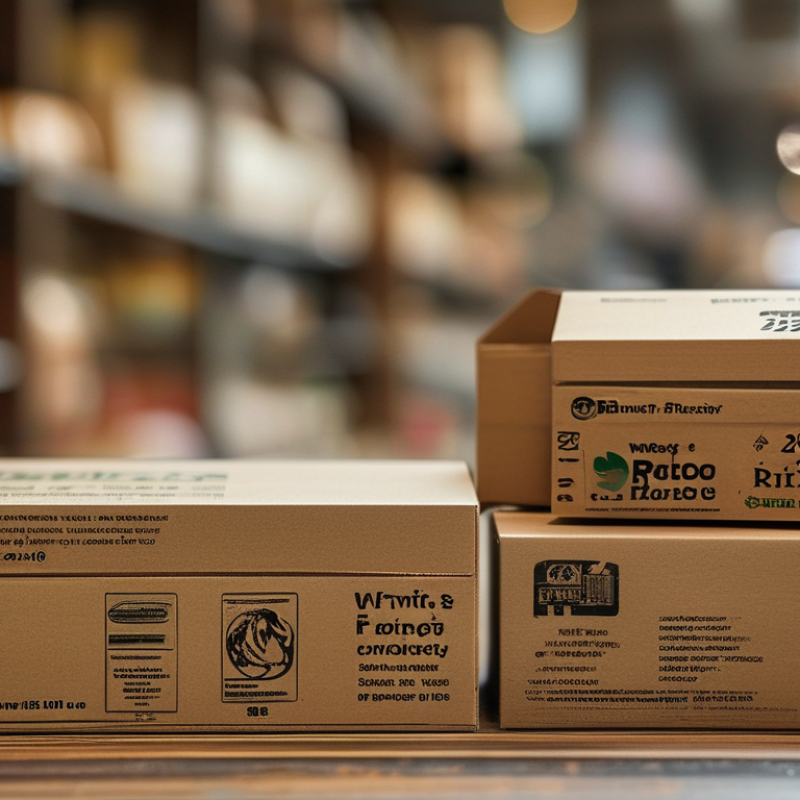
Emerging Innovations in Retail Ready Packaging for 2026
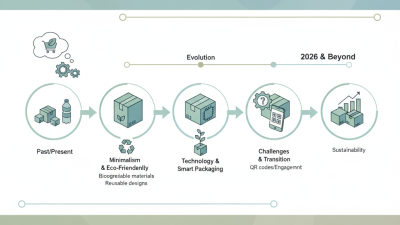
As we approach 2026, retail ready packaging is evolving rapidly. This evolution is driven by technological innovation and consumer preferences for sustainability. Increased emphasis is placed on reducing waste. Biodegradable materials are gaining traction, and many companies explore compostable options. These innovations minimize environmental impact while appealing to eco-conscious buyers.
Another trend to watch is smart packaging. Advanced technologies are integrating sensors and QR codes into packaging. These tools offer real-time product information to consumers. While this enhances the shopping experience, it raises questions about data privacy. Retailers must strike a balance between engaging customers and respecting their privacy concerns.
Design plays a critical role in retail ready packaging. Eye-catching designs attract consumers but must also be functional. The challenge lies in creating packaging that stands out on crowded shelves. Retailers often find themselves re-evaluating their strategies to remain competitive. It’s crucial to prioritize not just aesthetics, but also utility. Exploring these trends will help buyers navigate the evolving landscape of retail packaging.
Sustainability Trends Shaping Retail Ready Packaging Design
The shift towards sustainability in retail ready packaging (RRP) is evident. Eco-friendly materials are now a priority for many brands. This trend pushes companies to rethink their packaging strategies. They are exploring biodegradable and recycled materials. Consumers increasingly prefer products with minimal environmental impact.
Design is also evolving. Many brands focus on reducing excess packaging. Streamlined designs not only save resources but also enhance shelf appeal. Simple, eye-catching visuals are crucial. However, the balance between aesthetics and sustainability remains a challenge. There are instances where designs may compromise functionality.
Yet, not all companies fully embrace these sustainable practices. Some still prioritize cost-cutting over environmental responsibility. This inconsistency raises questions about genuine commitment to sustainability. Stakeholders must be aware of these discrepancies. Improved transparency in packaging choices is essential. The journey toward better retail ready packaging is ongoing and requires reflection and adaptation.
2026 Best Retail Ready Packaging Trends for Global Buyers
| Trend |
Description |
Impact on Sustainability |
Adoption Rate (%) |
| Biodegradable Materials |
Use of materials that break down naturally over time. |
Reduces waste and environmental impact. |
45% |
| Minimalist Design |
Focus on simplicity and efficiency in packaging design. |
Lowers material usage and enhances recyclability. |
60% |
| Reusable Packaging |
Design for multiple uses, encouraging return and reuse. |
Significantly reduces single-use waste. |
37% |
| Smart Packaging |
Incorporation of technology for tracking, information or freshness. |
Promotes efficient distribution and reduces spoilage. |
25% |
| Recyclable Fabrics |
Utilizing fabrics that can be processed into new materials. |
Encourages closed-loop systems. |
42% |
Enhancing Consumer Experience through Packaging Trends
Consumer experience is increasingly shaped by packaging trends. According to recent market research, 72% of consumers find packaging that is easy to open a decisive factor in their purchasing decisions. It is essential for brands to innovate in this space. Attractive designs, along with functional features, enhance first impressions, capturing the buyers' attention.
Sustainable materials play a crucial role in modern packaging. A report by MarketsandMarkets indicates that over 60% of consumers prefer products with eco-friendly packaging. Brands that commit to sustainable practices can build trust and loyalty. Yet, the challenge remains. Many companies struggle to balance aesthetics and functionality while ensuring sustainability.
Technology is also transforming packaging. Smart packaging solutions, like QR codes and AR experiences, engage consumers further. They offer personalized interactions and pertinent information about products. However, not all brands effectively utilize these tools. Continuous adaptation and learning are necessary to lead in this competitive landscape.
Technological Advancements in Packaging Automation
The landscape of retail packaging is rapidly evolving. Automation in packaging processes brings efficiency and precision to manufacturers. Companies are increasingly adopting technology to meet growing market demands. Among these advancements, robotics and AI play significant roles. They enhance packaging speed and consistency, minimizing human error. This shift results in higher product quality and reduced waste.
Investing in packaging automation can be daunting. Start by assessing your current workflow. Identify bottlenecks that slow down production. Understanding these pain points allows you to choose targeted solutions. Remember, not all automation solutions work for every business.
Many businesses are still hesitant about full automation. Some fear the upfront costs and complexity. However, incremental steps towards automation can make a difference. Consider starting with simple automated tasks before expanding. Keep an eye on industry trends. They can provide insights into what works effectively, guiding you through your transformative journey.
Global Market Insights: Regional Differences in Packaging Preferences
In the ever-evolving landscape of retail ready packaging (RRP), understanding regional preferences is crucial. According to a recent study by Smithers Pira, the global RRP market is projected to reach $200 billion by 2026. Yet, packaging preferences vary significantly across regions. For instance, North American consumers often prioritize convenience. They prefer packaging that is easy to open and reseal.
In contrast, European buyers show a strong preference for sustainable materials. A report from the European Commission indicates that 75% of consumers in Europe are willing to pay more for eco-friendly packaging. This highlights a regional shift towards sustainability in consumer choices. Additionally, Asia-Pacific markets are increasingly favoring innovative designs that attract attention on crowded shelves. Here, vibrant colors and unique shapes can influence buying decisions.
Despite these trends, some companies struggle to harmonize their packaging strategies globally. Many businesses overlook local preferences, leading to mismatched product perceptions. Engaging with regional insights is crucial for success. Marketers must invest in research to understand these nuances. By aligning packaging with consumer values, businesses can better resonate with their target audiences.
2026 Best Retail Ready Packaging Trends for Global Buyers
This chart illustrates the projected preferences for retail ready packaging characteristics among global buyers across different regions in 2026.