10 Display and Packaging Tips for Global Buyers

Global buyers no longer judge a product by appearance alone. A carton must survive humid warehouses, long sea routes, rough handling, and crowded retail shelves. Display and packaging now influence protection, recognition, sustainability, and purchase confidence at the same time.

Smithers’ The Future of Global Packaging to 2028 projects the worldwide packaging market will exceed $1.2 trillion by 2028. Its analysis highlights e-commerce, sustainability, and material efficiency as important growth forces. The World Packaging Organisation’s Global Packaging Trends Report also points to connected packs, responsible materials, and stronger consumer expectations. These trends create opportunity, but they also expose weak decisions. A beautiful display may collapse in a damp container. A recyclable pack may still use excessive material. Small details matter.

Philip Kotler defines packaging as “the activities of designing and producing the container or wrapper for a product.” His description remains practical for international sourcing. The package is not decoration. It is part of the product experience, logistics plan, and brand promise.

This guide, 10 Display and Packaging Tips for Global Buyers, focuses on decisions that can be checked before production. Buyers will consider shelf visibility, structural strength, print accuracy, labeling clarity, material choices, and shipping efficiency. A 40-foot container, a barcode scanner, or a retail display can reveal problems that a digital proof hides. Not every recommendation fits every market. That is the uncomfortable part. Local climate, buyer expectations, recycling systems, and retailer rules still require careful review. Better results begin with evidence, samples, and honest questions.

10 Display and Packaging Tips for Global Buyers

Identify Global Buyer Needs and Product Positioning

Identify Global Buyer Needs and Product Positioning

Global buyers rarely judge packaging by appearance alone. They compare shelf visibility, shipping cost, opening effort, and local expectations. In export reviews, a common mistake is treating every market as visually identical. A compact display may suit a crowded urban shelf, while a warehouse buyer may prefer stackable cartons with clear handling marks. Start with evidence. Ask buyers about shelf width, delivery routes, seasonal displays, and preferred information order. Small details matter.

The OECD Global Plastics Outlook reports that packaging created about 40% of plastic waste in 2019, while only 9% of plastic waste was recycled. This data makes material choice a positioning decision, not merely a design choice. Use the minimum protective structure needed for safe delivery. Show material information clearly. Avoid vague environmental claims. UNEP’s 2023 Turning off the Tap report states that plastic pollution could fall by 80% by 2040 through reuse, recycling, and reduced consumption. Yet reuse systems may not fit every distribution channel.

A strong package should explain value within three seconds. Put the product function, quantity, and key difference on the front panel. Use readable contrast and short translations. Test the package with real buyers, not only internal staff. Test, then revise. One weakness remains: global consistency can reduce local relevance. A shared structure is efficient, but colors, symbols, and display height may need regional adjustment. Position the product around the buyer’s real priority, whether that means lower freight volume, faster shelf setup, or easier replenishment.


Global Buyer Packaging Priorities

Product protection and clear information are the strongest packaging priorities for international buyers, followed by sustainability, shipping efficiency, and multilingual communication. Use these priorities to position packaging for different markets.

Planning benchmark based on widely reported global packaging buyer and consumer priorities; values represent the percentage of respondents ranking each feature as important.

Choose Display Formats That Fit Retail Environments

Choosing the right display format starts with the retail environment, not the artwork. A compact counter unit suits checkout zones, while a floor display needs stable footing and clear customer circulation. POPAI reported that 76% of purchase decisions happen in physical stores. Visibility still matters.

Measure shelf depth, eye level, aisle width, and replenishment space before approving production. A display that blocks product access creates friction.

A 2023 U.S. Census Bureau estimate placed e-commerce at 15.6% of total retail sales, leaving most purchases connected to physical retail. Online research may begin the journey, but shoppers still inspect size, texture, and packaging in person.

Keep it obvious.

Use large product cues, short messages, and readable pricing areas. In convenience stores, vertical formats can protect limited shelf space. In department stores, wider displays can support comparison and browsing. For humid regions, test coatings, adhesives, and board strength before shipment. For export programs, confirm carton dimensions and local fixture standards early.

I have seen attractive displays fail because staff could not refill them quickly. That mistake is easy to miss during a studio review. A smaller unit may perform better when it opens quickly and stores spare stock underneath.

Retail teams should trial one format in a real store, record shopper movement, and revise the structure before scaling production. Perfect renderings are not enough.

Design Packaging for Protection, Clarity, and Brand Impact

Global packaging must survive long routes, repeated handling, and unfamiliar storage conditions. I recommend testing cartons with realistic weight, humidity, and drop angles. A beautiful display fails when corners crush easily. Use molded inserts, edge protection, and enough empty space to prevent surface rubbing. The United Nations Environment Programme reported in 2023 that packaging creates roughly 40% of global plastic waste. That makes unnecessary layers difficult to justify. Protection should be measured, not excessive.

Tip 1:

Make damage visible. Use clear inspection zones, tamper-evident seals, and simple handling icons. Keep claims measurable. A buyer should quickly find product name, quantity, materials, care instructions, and country-specific information. High-contrast typography helps warehouse teams read labels under poor lighting. Do not hide key details inside decorative artwork. Our first mock-up looked premium, but the shipping mark was too small. That was a practical mistake.

Tip 2:

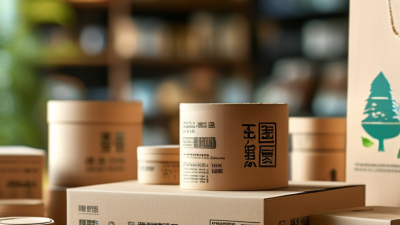
Design the package as a quiet sales tool. McKinsey’s survey of more than 10,000 consumers found that 60–70% were willing to pay more for sustainable packaging in several markets. Still, sustainability language needs evidence. State recycled content, recyclability conditions, or material reduction precisely. Avoid vague green claims. A limited color system, tactile paper texture, and one recognizable visual cue can improve shelf clarity without increasing material use. Leave room for local labels. Global consistency needs flexibility.

Adapt Labels and Visuals for International Markets

For global buyers, a label is not simply translated; it is culturally rebuilt. CSA Research’s 2020 Can’t Read Won’t Buy study found that 65% of consumers prefer product information in their own language. Another 40% would not buy from websites written only in another language. These figures make localization a commercial decision, not a decorative extra.

Use short sentences. Strong hierarchy helps. Place the product name, function, quantity, and care instructions where shoppers expect them. Avoid idioms, crowded text, and symbols that change meaning across regions. A red color may signal energy in one market but warning in another. Images also need review. A hand gesture, family scene, or food reference can feel unfamiliar or inappropriate elsewhere. Native-language reviewers should inspect every panel, including tiny warnings and measurement units. Machine translation alone is risky. We sometimes over-design labels, leaving too little space for accurate wording. That mistake is easy to miss.

NielsenIQ’s 2023 State of Sustainability report found that 78% of consumers consider sustainable living important. Therefore, environmental claims should be specific and easy to verify. Use clear material descriptions instead of vague phrases such as “planet friendly.” Keep recyclable symbols, disposal instructions, and color contrast visible on the shelf. Test a printed sample under store lighting. Digital mockups can hide weak contrast, awkward line breaks, or unreadable small type. A local buyer may notice these problems first. Listen carefully.

Test, Standardize, and Optimize the Final Packaging System

10 Display and Packaging Tips for Global Buyers

Test, Standardize, and Optimize the Final Packaging System

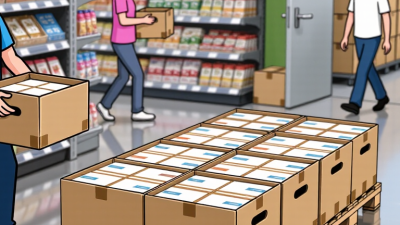
Global buyers judge packaging before opening the carton. A strong display system must survive handling, humidity, stacking, and shelf movement. Start with a packaging map that connects the product, inner tray, outer carton, display unit, and shipping pallet. Measure every gap. Small gaps become costly damage.

Test the complete system, not only individual materials. Use drop, vibration, compression, and climate tests that reflect real shipping conditions. Place a loaded carton on a rough transport surface. Check crushed corners, shifted products, loose labels, and weakened display panels. Record test results with photos, dates, material details, and corrective actions. This creates reliable evidence for purchasing and quality teams.

Standardization makes global supply easier. Define carton dimensions, board strength, tape placement, print tolerances, and pallet patterns. Keep one approved specification for every production site. Yet avoid assuming one design fits every route. A humid sea journey may require different protection than a short inland delivery. In practice, the first prototype often looks efficient but uses too much material. That mistake deserves review. Reduce empty space carefully, then repeat the full test. Optimize for protection, assembly speed, shelf appearance, and disposal practicality. A package that looks excellent but takes four minutes to assemble may fail during peak demand. Test again.