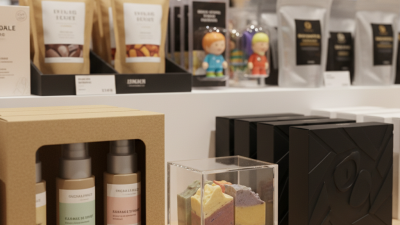
How to Choose Short Run Packaging for Your Products?

Choosing the right short run packaging can shape how customers judge your product before they try it. It affects protection, shelf appeal, shipping costs, and brand credibility. A small launch still deserves thoughtful packaging.

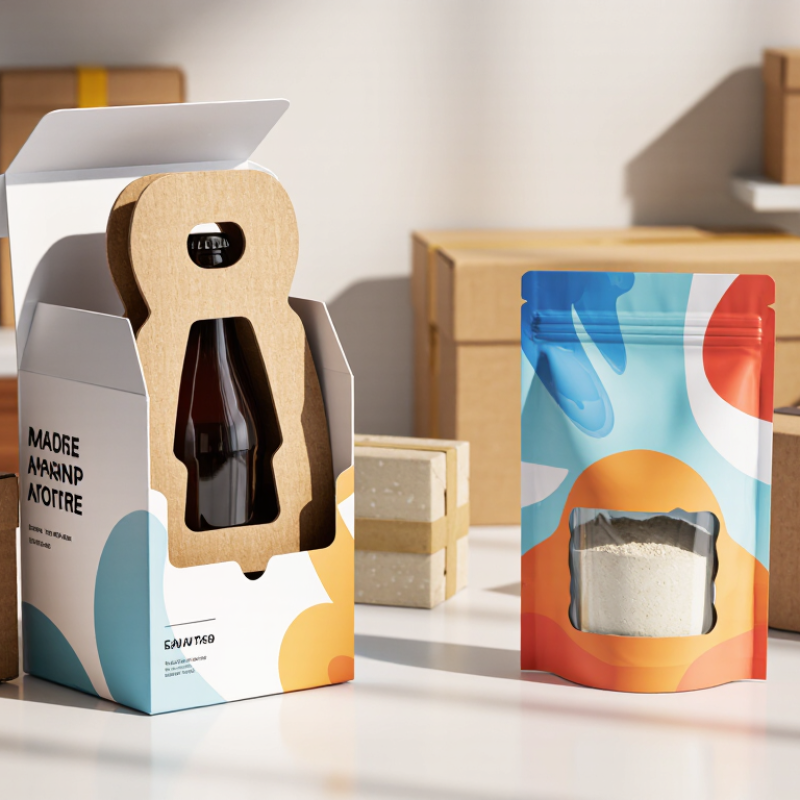
Lisa McTigue Pierce, a longtime packaging journalist and industry analyst, describes packaging as “a brand’s most tangible touchpoint.” That idea matters when testing a new product. A digitally printed carton, stand-up pouch, or mailer box can support limited quantities without forcing a large inventory commitment. You can test a seasonal flavor, regional campaign, or revised label with less financial exposure. However, flexibility does not remove the need for technical planning.

Begin with the product’s physical demands. Glass bottles need cushioning. Powdered goods need strong seals. Moisture-sensitive products may require barrier films. Then compare board thickness, closure styles, print quality, and minimum order quantities. Request a physical prototype. Place it on a shelf. Open it repeatedly. Drop-test the filled package. Small defects become obvious quickly.

Short run packaging can reduce waste, but it may cost more per unit than long production runs. That trade-off is easy to overlook. A premium finish might look impressive, yet it can slow production or complicate recycling. The perfect option may not exist. A practical choice balances appearance, protection, speed, and future scalability. Review the package with your printer, designer, and fulfillment team before approving production. Their feedback may challenge your first idea, and that is useful.
How to Choose Short Run Packaging for Your Products?

What Is Short-Run Packaging and When Should You Use It?

Short-run packaging means producing a limited quantity of boxes, pouches, labels, or inserts. It suits products still being tested, seasonal collections, and small online launches. You avoid ordering thousands before demand becomes clear. That flexibility protects cash flow and reduces storage pressure.

Use it when artwork may change. It also helps when several sizes need testing. A short run can reveal whether colors match the product, whether text remains readable, and whether the opening feels practical. Request a physical proof. Digital images can hide weak contrast and inaccurate dimensions. Ask the supplier about material strength, print consistency, lead time, and minimum quantities. Keep written specifications for every sample.

Cost per unit is often higher than mass production. That trade-off can still be sensible. A failed large order costs more. In my experience, the first sample sometimes looks excellent but performs poorly during shipping. One test box arrived with a crushed corner. We had ignored the empty space around the product. A second sample used a tighter insert and survived better. The lesson was useful, but not perfect. Sustainable materials also need careful checking; a “green” claim should match documented composition and disposal guidance. Choose short-run packaging when learning matters more than the lowest unit price. Review customer feedback, damage rates, and packing time before expanding production.

How to Assess Your Product, Quantity, Budget, and Timeline

How to Choose Short Run Packaging for Your Products?

Before requesting a quote, examine the product itself. Measure its length, width, height, and weight accurately. A glass jar needs cushioning, stable inserts, and a closure that resists movement. A lightweight item may need less protection but more shelf visibility. Check moisture, oil, heat, and light exposure. These details influence the board grade, coating, and internal structure.

Quantity changes the best packaging decision. For a small launch, digital printing can reduce setup costs and support several designs. Larger quantities may justify tooling or offset production. Calculate packaging, samples, freight, storage, and expected waste. My first estimate once ignored protective inserts, which created an avoidable cost. Leave room for mistakes. Short runs are flexible, but they are not automatically inexpensive.

Set a realistic budget before selecting finishes. Foil, embossing, specialty coatings, and complex folds can increase both price and production time. Request a physical proof, not only a digital image. It can reveal weak colors, tight folds, or an opening that feels awkward. Build the timeline backward from the launch date. Include design approval, material sourcing, proofing, production, inspection, and shipping. A two-week production promise may exclude freight or revisions. Confirm every stage in writing, then test the packed product through normal handling. One drop from a waist-high table can expose a serious design weakness.

How to Select Packaging Materials, Formats, and Printing Methods

Short-run packaging works best when material, format, and printing method match the product’s real demands. Start with barrier needs. Powdered foods may require moisture protection, while cosmetics often need light and oxygen resistance. Paperboard suits rigid cartons, but flexible films can reduce material use and shipping weight. The choice is rarely perfect. I once favored a cheaper substrate, then found that weak creases caused damaged cartons during packing.

Printing decisions should follow volume and revision risk. Digital printing avoids plates and supports variable artwork, making it practical for samples, seasonal launches, and several stock-keeping units. Flexographic or gravure printing may deliver a lower unit cost at larger volumes, but setup costs and minimum quantities can defeat a short run. Smithers’ The Future of Global Printing to 2028 reports continued growth in digital print applications, supported by shorter runs and faster versioning. McKinsey’s 2020 packaging research also found that 60–70% of consumers would pay more for sustainable packaging, though willingness depends on performance and price. Claims still need evidence.

Tips: Request material samples, not only supplier photographs. Test seals, folds, scuffing, and drop resistance with the actual product. Ask printers for a complete cost model, including setup, plates, proofs, waste, and delivery. Check whether the chosen format fits existing filling equipment. Small runs expose errors. Keep one approved sample for comparison. Recheck recycling instructions for the target market, because guidance differs by region and can change.

How to Compare Suppliers, Prototypes, and Quality Standards

How to Choose Short Run Packaging for Your Products?

How to Compare Suppliers, Prototypes, and Quality Standards

Short-run packaging rewards careful comparison, not rushed price shopping. A supplier should explain material choices, tooling limits, lead times, and inspection steps clearly. Ask for recent sample photos and a physical sample from the proposed production method. A polished digital mockup can hide weak folds, uneven color, or a loose closure. Request a written quotation. It should separate setup, sampling, unit, freight, and revision costs. Clear details make later disagreements less likely.

Prototypes deserve a practical test. Fill one with the real product, stack several units, and leave them in a warm room overnight. Check edges, odor, print alignment, compression, and how easily customers can open the pack. I once focused too heavily on appearance and missed a fragile corner. That mistake changed my review checklist. Now I record measurements, photographs, and approval notes before production. Not every failure appears in the first sample.

Quality claims need evidence. Ask whether the factory follows a documented quality system, such as ISO 9001, and request current test records where relevant. Confirm tolerances for dimensions, color variation, material thickness, and print registration. Agree on an inspection method before ordering. A simple approved sample can become the reference standard. Still, leave room for honest review. Short runs can expose assumptions that larger orders hide. The best supplier is not always the cheapest one. It is the one that documents problems and corrects them quickly.

How to Choose Short Run Packaging for Your Products? - How to Compare Suppliers, Prototypes, and Quality Standards

Evaluation Dimension Local Short-Run Converter Regional Packaging Manufacturer Digital or On-Demand Supplier What to Verify
Typical short-run quantity 100–1,000 units 500–5,000 units 1–2,500 units Minimum order quantity, setup charges, and whether mixed designs are accepted
Common packaging formats Folding cartons, sleeves, labels, mailer boxes Corrugated boxes, rigid cartons, retail displays, protective inserts Digitally printed cartons, labels, pouches, prototypes, variable-data packaging Material compatibility, structural design capability, and available finishing options
Prototype lead time 3–7 business days 5–10 business days 1–5 business days Whether the prototype is structural, digitally printed, or production-equivalent
Production lead time 7–15 business days 15–30 business days 3–10 business days Approval deadlines, material availability, printing schedule, and shipping time
Typical cost structure Moderate unit cost; low tooling expense Lower unit cost at higher volumes; possible tooling and plate charges Higher unit cost; usually limited setup fees Unit price, tooling, dies, plates, artwork, freight, taxes, and sample fees
Design flexibility High for standard formats and small revisions High for engineered structures and custom inserts Very high for artwork changes and multiple versions File requirements, dieline ownership, color limitations, and revision policy
Color consistency Can be controlled with approved proofs and color references Generally strong when press controls and approved standards are used Suitable for short runs; digital output may differ from offset output Proof type, measurement method, substrate, ink system, and acceptable color tolerance
Material choices Paperboard, corrugated board, kraft paper, common films Multiple paper grades, corrugated flute profiles, rigid board, foams, and molded inserts Pre-qualified substrates optimized for digital printing and short runs Basis weight, thickness, recycled content, coating, barrier properties, and recyclability
Structural testing Basic fit, fold, closure, and drop checks More suitable for compression, stacking, vibration, and distribution testing Basic dimensional and functional checks; advanced testing may be outsourced Test method, sample conditioning, product weight, drop height, and pass criteria
Quality control documents Artwork approval, inspection checklist, and shipment records Material certificates, inspection reports, batch records, and corrective-action reports Digital proof approval, automated production records, and order inspection data Written specifications, sampling plan, defect classification, and traceability
Best fit for Local launches, seasonal products, and quick packaging revisions Retail distribution, heavier products, transport protection, and repeat orders Market testing, e-commerce launches, personalization, and frequent SKU changes Expected order frequency, product risk, delivery region, and future volume
Prototype and Approval Checklist
Dimensional accuracy Confirm internal dimensions, panel alignment, closure performance, insert fit, and product clearance before production. Measure at least three samples and record tolerances in the approved specification.
Print approval Use a contract proof or production-equivalent sample when color, text, barcodes, or regulatory information is critical. Approve artwork, dieline, color reference, substrate, and finishing in writing.
Functional testing Check opening, closing, filling, sealing, labeling, palletization, and customer handling under normal use conditions. Test the final packed product rather than an empty package alone.
Shipping simulation For distribution packaging, consider drop, vibration, compression, and climatic exposure based on the intended supply chain. Select the test protocol according to product fragility, parcel size, transport mode, and destination.
Relevant Quality and Sustainability Standards
ISO 9001 Quality management system standard covering controlled processes, customer requirements, continual improvement, and corrective action. Request a current certificate and confirm that the certified scope covers the relevant packaging operation.
ISTA 3A A packaged-products test protocol commonly used for parcel delivery systems, including hazards such as drops, vibration, and compression. Use the current protocol and document product configuration, package orientation, and test results.
ASTM D5276 Standard test method for evaluating the ability of shipping containers to withstand free-fall drops. Define drop height, package condition, number of drops, and acceptance criteria before testing.
FSC chain of custody A certification system for tracking certified forest-based material through the supply chain; it does not by itself certify packaging performance. Verify certificate status, product claim, eligible material, and claim documentation.
Recyclability assessment Evaluate material composition, coatings, adhesives, inks, labels, closures, and the recycling infrastructure available in the target market. Request material specifications and avoid unsupported claims such as “100% recyclable” without market-specific evidence.

Note: Lead times and quantity ranges are typical planning benchmarks rather than universal guarantees. Final performance depends on packaging format, substrate, artwork complexity, testing requirements, order volume, and shipping destination.

How to Finalize Artwork, Place Orders, and Plan Future Runs

Choosing short run packaging starts with disciplined artwork preparation. Use the supplier’s current dieline, not an old file from a previous project. Check dimensions, folds, glue areas, bleed, and safe zones before design approval. Keep important text away from creases. A small shift can make a label look careless.

Request a physical proof when color, texture, or fit matters. Review it under normal store lighting, not only on a bright monitor. Confirm spelling, product details, barcode readability, recycling information, and finish selections. The final file should include outlined fonts, linked images, correct color settings, and clear version control. Approve artwork in writing. Verbal approval creates avoidable confusion.

Place the order only after confirming quantity, lead time, shipping cartons, and storage space. Ask whether the supplier counts setup waste within the quoted quantity. Short runs can reduce risk, but unit costs may rise sharply. Plan a small buffer for damaged or misprinted pieces. Record the approved material, dimensions, ink coverage, and finishing details for future runs. Leave notes about what worked and what did not. That record becomes valuable when sales increase or artwork changes.

Do not over-plan.

Future runs may need new claims, sizes, or regulations. Build flexibility into the layout where possible. A weak assumption in the first run can become expensive later. Reflection is part of the process.

How to Choose Short Run Packaging for Your Products?

A practical planning benchmark for finalizing artwork, placing a short-run order, and preparing for future production runs.

Allow approximately 2 business days for artwork preparation, 3 days for proof review and approval, 5 days for short-run production, and 2 days for packing or fulfillment. These are practical planning estimates; actual timing depends on packaging format, material availability, finishing requirements, supplier capacity, and shipping.