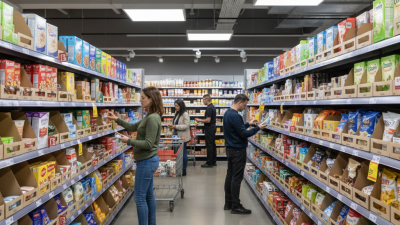
Top Store Packaging Trends for 2026 What You Need to Know
The landscape of store packaging is evolving rapidly. As we look towards 2026, several trends are emerging that reflect both consumer preferences and environmental considerations. Brands are increasingly prioritizing sustainable materials and innovative designs that capture attention.
Consumers demand packaging that is not only functional but also aesthetically appealing. Unique shapes and colors can make a product stand out on the shelf. However, while appealing packaging can enhance visibility, it often raises questions about practicality and recyclability. Balancing creativity and sustainability is crucial for brands aiming to stay relevant.
Transparency is key in store packaging. Shoppers want to know where their products come from and how they are packaged. Brands need to be specific about their materials and sourcing practices. This shift in consumer expectations creates challenges for companies, but it also presents opportunities for growth. As we navigate these trends, the importance of informed choices will shape the future of store packaging.
Emerging Sustainable Materials in Retail Packaging for 2026
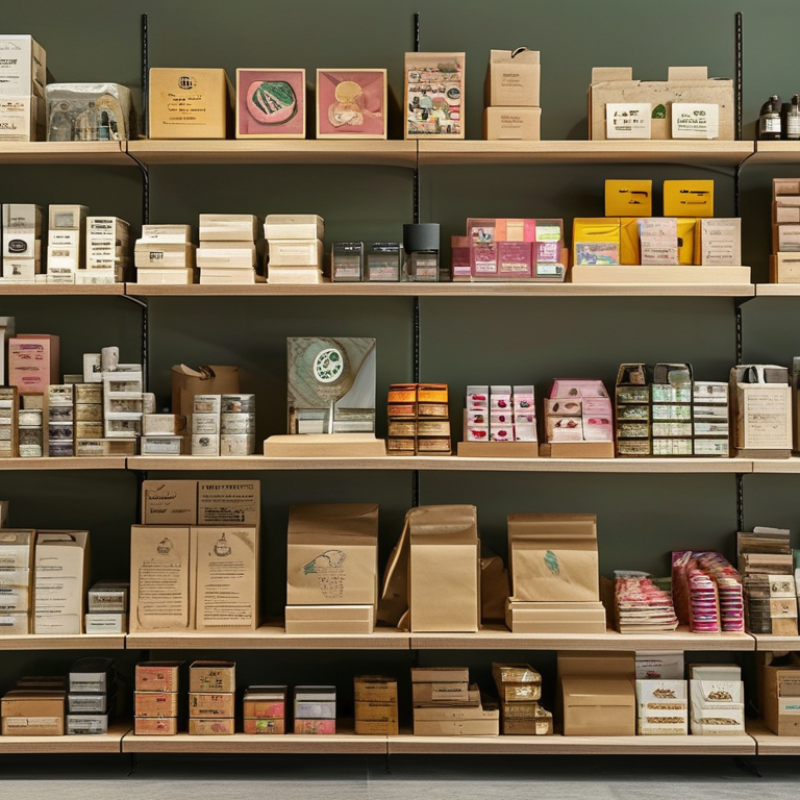
In 2026, retailers will face a shift toward sustainable packaging materials. This transition is driven by consumer demand for eco-friendly options. Companies will explore biodegradable plastics made from plants. These materials break down more quickly in nature, reducing long-term waste.
Recyclable packaging will gain prominence. Retailers might use packaging designed for multiple uses. This approach promotes a circular economy, but it requires consumer cooperation. Not all recycling systems are efficient. Education on proper disposal will be essential to maximize effectiveness.
Experimentation with alternative materials is crucial. Innovations like mushroom-based packaging or seaweed-derived wraps could change the landscape. However, challenges remain. Sourcing and scaling up production of these materials can be difficult. Retailers must balance cost and sustainability. This complex reality calls for ongoing dialogue and adaptation in the industry.
Innovations in Smart Packaging Technology and Their Impact
In recent years, smart packaging technology has emerged as a game-changer in the retail industry. By 2026, the global smart packaging market is projected to reach $34 billion, according to recent industry reports. This growth is driven by innovations that enhance user experience and improve supply chain efficiency. The integration of RFID chips and QR codes allows consumers to interact with products in new ways. For instance, scanning a code can provide real-time information about product origin and freshness.
Consumer interest in sustainability is also shaping packaging innovations. Research reveals that over 70% of shoppers prefer eco-friendly packaging. This has prompted brands to adopt biodegradable materials and reduce plastic use. However, the challenge lies in balancing sustainability with functionality. Some smart packaging solutions can be cost-prohibitive for smaller brands, reflecting a need for more accessible technologies. The industry must continue to explore affordable options that meet both consumer expectations and sustainability goals.
Moreover, as smart technology evolves, regulatory hurdles arise. Compliance with health and safety standards is crucial, yet many companies struggle to navigate these complexities. A recent survey indicated that nearly 40% of organizations cited regulatory challenges as a significant barrier to adopting smart packaging solutions. Thus, while the potential for innovation is vast, the industry must reflect on these obstacles and work towards comprehensive solutions.
Top Store Packaging Trends for 2026
| Trend |
Description |
Projected Impact |
Implementation Year |
| Smart Sensors |
Integrating sensors to monitor product freshness and temperature. |
Enhanced supply chain efficiency and reduced waste. |
2026 |
| Biodegradable Materials |
Use of materials that decompose naturally, reducing landfill impact. |
Positive environmental impact and compliance with regulations. |
2026 |
| AR Packaging |
Augmented reality features to enhance consumer engagement and product information. |
Increased customer interaction and brand loyalty. |
2026 |
| Minimalist Design |
Simplified packaging with a focus on sustainability and reduced materials. |
Cost savings and appeal to eco-conscious consumers. |
2026 |
| Smart Recycling |
Labels that provide recycling instructions via QR codes. |
Improved recycling rates and consumer awareness. |
2026 |
Design Trends Shaping the Retail Packaging Aesthetic in 2026
As we look ahead to 2026, retail packaging trends promise to redefine the shopping experience. Consumers increasingly demand packaging that tells a story while being environmentally responsible. According to a study by Smithers Pira, sustainable packaging is expected to grow to a $500 billion industry by 2026. Brands will need to prioritize eco-friendly materials and designs that resonate with eco-conscious shoppers.
Minimalist designs are gaining traction, highlighting the product's authenticity. Simple packaging with clear messaging captures attention. Research shows that over 70% of consumers prefer packaging that is easy to understand. Bright colors and unique shapes may attract attention but can also risk overwhelming the consumer. Brands must find balance—reflecting their identity without causing confusion.
Incorporating technology into packaging, such as QR codes and augmented reality experiences, will engage customers more deeply. Interactive features allow consumers to connect and learn about products instantly. However, it's essential to ensure that this technology is user-friendly. We must be critical of how we innovate; excessive complexity may alienate some shoppers.
Every brand can benefit from these trends. Understanding your target audience will guide packaging choices. Think critically about how your design stands out while maintaining clarity and purpose. Explore eco-friendly options to enhance your appeal, but remember to keep the designs achievable and relatable.
Consumer Preferences and Their Influence on Packaging Choices
As we approach 2026, packaging trends continue to evolve based on consumer preferences. Environmentally friendly materials are increasingly favored by shoppers. A study highlighted that many consumers prioritize sustainability in their purchasing decisions. This means brands must adapt their packaging solutions to align with these ethical expectations.
Visual appeal remains crucial. Packaging must tell a story and convey brand identity swiftly. Consumers often choose products based on striking designs that resonate with their lifestyles. However, there's a growing disconnect; some brands focus solely on aesthetics and neglect functionality. This oversight can lead to consumer frustration and increased returns.
Transparency in packaging is another emerging trend. Customers want to know what they are buying. Clear labeling and ingredient lists foster trust and encourage purchases. Yet, achieving this transparency requires careful consideration. Brands must avoid overwhelming consumers with excessive information while still providing clarity. Balancing these demands is not an easy task, but it’s essential for building brand loyalty.
Regulatory Changes and Their Effects on Packaging Practices in Retail
Regulatory changes are reshaping retail packaging practices. As governments focus on sustainability, new rules demand eco-friendly materials. Retailers must adapt quickly to these developments. Failing to comply can lead to fines or product recalls. The landscape is shifting, and businesses need to be proactive.
Packaging that once used plastic now faces scrutiny. Regulations may limit its usage or require clear recycling labels. Retailers might need to educate consumers on disposal. This can increase brand loyalty but also demands transparency. Retailers may find it challenging to balance cost and compliance.
Designers are looking for innovative solutions. They must create packaging that meets new standards while remaining appealing. This task can be daunting. It requires experimentation and a willingness to explore alternatives. Retailers benefit from collaboration with suppliers and experts. Sharing knowledge helps achieve compliance and innovation simultaneously.
Top Store Packaging Trends for 2026
This chart illustrates the projected adoption rates of various packaging practices in the retail sector by 2026, reflecting both emerging trends and regulatory changes.